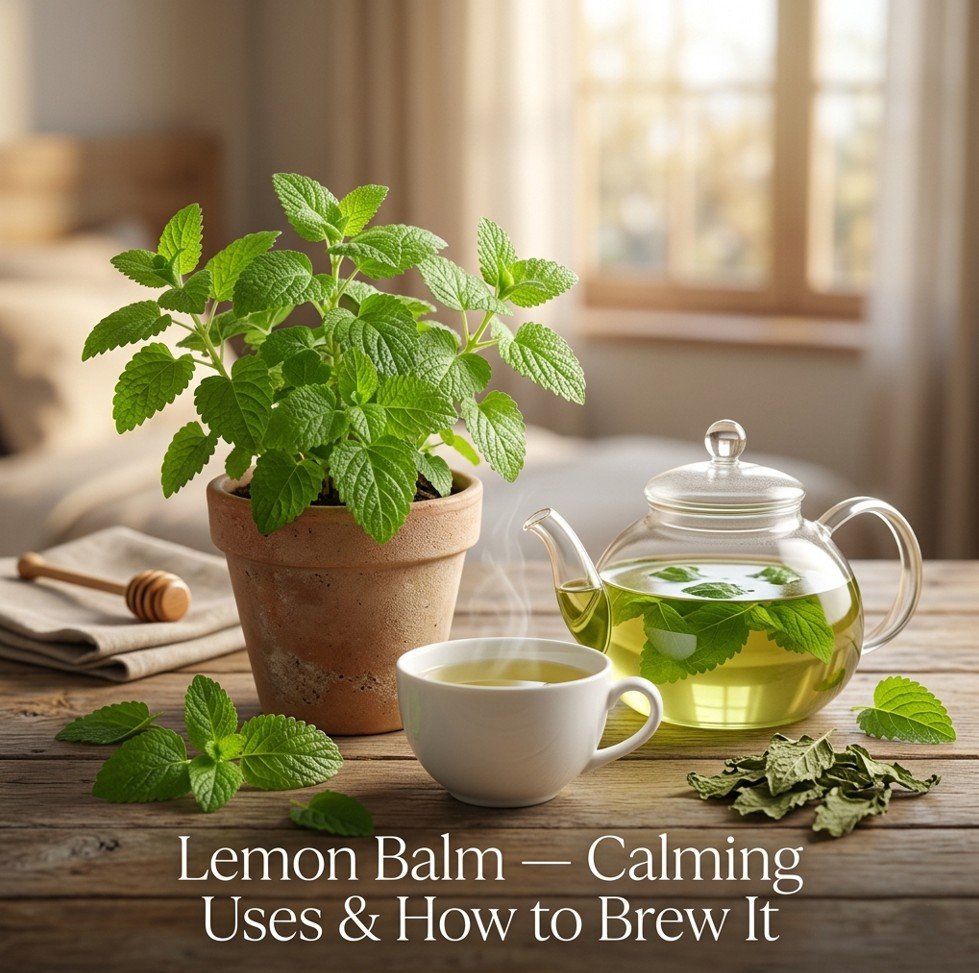
If you grow only one medicinal herb in your garden or window box, make it lemon balm. This unassuming member of the mint family has a remarkable range of traditional uses — from easing anxiety and improving sleep to relieving stress‑related digestive problems. Its fresh lemon scent is instantly recognisable, and its flavour is pleasant enough to drink plain, without honey or sugar.
But lemon balm is not just a pleasant tea. It contains active compounds — rosmarinic acid, eugenol glycosides, and triterpenes — that have genuine effects on the nervous system and digestive tract. Modern research is catching up with what European herbalists have known for centuries.
This profile covers Melissa officinalis: its identity, traditional European applications, the current state of evidence, step‑by‑step brewing instructions (including common mistakes), and the safety considerations that everyone should know.
What Is Lemon Balm?
Scientific name: Melissa officinalis
Common names: Lemon balm, balm mint, bee balm (not to be confused with Monarda), mélisse (French), Melisse (German), melisa (Polish), citronmeliss (Swedish)
Appearance:
- Perennial herb, 30–80 cm tall, bushy
- Stems: square (mint family), branching, slightly hairy
- Leaves: opposite, oval to heart‑shaped, 3–8 cm long, with scalloped (crenate) margins, wrinkled texture, covered in fine hairs
- Colour: bright to medium green, sometimes yellowish in full sun
- Flowers: small, two‑lipped, white to pale yellow or pinkish, appearing in whorls in leaf axils (summer)
- Odour: strong, sweet lemon scent when leaves are crushed — the name Melissa comes from Greek for “honey bee”, as bees are attracted to the flowers
- Taste: lemon‑like, mildly astringent, slightly bitter
Habitat: Native to southern Europe (Mediterranean region) and western Asia. Naturalised throughout Europe, North America, and temperate regions worldwide. Grows well in gardens, pots, and disturbed ground.
Parts used: Leaves (fresh or dried). The flowering tops are also used, but leaves are the primary medicinal part.
Distinction: Lemon balm is sometimes confused with lemon verbena (Aloysia citrodora) or lemongrass (Cymbopogon citratus), but those are different plants with different uses. Lemon balm is in the mint family (square stems, opposite leaves), which helps distinguish it.
Why “balm”? The word “balm” comes from “balsam” — an aromatic substance used for healing and soothing. The name reflects its traditional reputation as a calming, restorative herb.
Traditional Uses in European Herbalism
Lemon balm has been used in European medicine for over 2,000 years. The Greeks and Romans valued it, but its golden age was in the Middle Ages and Renaissance.
Historical timeline:
- Ancient Greece and Rome: Theophrastus (c. 300 BCE) and Dioscorides (c. 70 CE) mentioned lemon balm for wounds, insect bites, and menstrual discomfort.
- Medieval Europe: Charlemagne ordered lemon balm to be planted in monastery gardens. It was used for “nervous disorders”, palpitations, and melancholy.
- Renaissance: Paracelsus (1493–1541) called lemon balm the “elixir of life” and used it for heart conditions and anxiety.
- Carmelite water (14th century): A famous European preparation made from lemon balm, lemon peel, nutmeg, and angelica root, used for nervous headaches and tension.
Traditional European uses:
| Use | Traditional preparation | Regions |
|---|---|---|
| Anxiety, nervous tension, low mood | Lemon balm tea or tincture, often combined with other nervines | Throughout Europe |
| Sleep difficulties (mild) | Tea before bed, sometimes with chamomile or lavender | France, Germany, Britain |
| Stress‑related digestive discomfort (bloating, cramping, “nervous stomach”) | Tea after meals or when stressed | Mediterranean, Central Europe |
| Palpitations (heart awareness) | Tea or tincture — traditional use, not supported by strong evidence | Germany, Austria |
| Cold sores (herpes simplex) | Lemon balm cream or compress (traditional external use — modern research supports this) | Germany, Britain |
| Cognitive support (memory, concentration) | Tea or tincture — traditional “memory herb” | Britain (John Evelyn, 17th century) |
Important note: Lemon balm was never considered a “cure” for serious mental illness. It was used for mild, everyday tension and low mood — the kind of stress that interferes with sleep and digestion.
What Modern Research Says
Lemon balm has been studied more than many European herbs. The evidence is strongest for anxiety reduction and cold sores (topical). Digestive and sleep evidence is weaker but consistent with traditional use.
What has reasonable to good evidence:
1. Anxiety reduction (mild to moderate)
Several randomised controlled trials have examined lemon balm extracts for anxiety. A 2018 systematic review concluded that lemon balm significantly reduces anxiety symptoms compared to placebo in situations of acute stress (e.g., before medical procedures). A 2004 study found that a single dose of 300 mg or 600 mg of lemon balm extract improved mood and calmness in healthy volunteers.
2. Cold sores (herpes simplex labialis)
Topical lemon balm cream has been studied in several trials. A 2008 review found that lemon balm extract reduced symptoms of herpes simplex and accelerated healing. In Germany, lemon balm cream is a licensed over‑the‑counter product for cold sores.
3. Sleep quality (mild improvement)
Lemon balm is often combined with valerian or other herbs. A 2006 study found that a valerian‑lemon balm combination improved sleep quality in children with restlessness. Direct evidence for lemon balm alone is limited, but its anxiety‑reducing effects likely contribute to better sleep.
4. Digestive discomfort (stress‑related)
Lemon balm has antispasmodic properties in laboratory studies. Human studies are limited, but traditional use is consistent. It is particularly useful when digestive symptoms are clearly linked to stress.
What has limited or inconclusive evidence:
- Cognitive performance: Some studies show improved memory and calmness after lemon balm, but others show no effect. The effect, if real, is mild.
- Palpitations: No modern research. Traditional use only.
- Thyroid function: Lemon balm may inhibit TSH binding in laboratory studies. This is a potential concern for people with thyroid disorders (see safety section).
What research does NOT show:
- Lemon balm does not cure depression or replace antidepressants.
- Lemon balm does not treat thyroid disease (it may interfere with treatment).
- Lemon balm tea is not equivalent to the concentrated extracts used in studies.
Main Benefits and Practical Uses
Based on traditional European practice and available evidence, lemon balm is most useful for:
| Use | Traditional support | Evidence strength | Best preparation |
|---|---|---|---|
| Mild anxiety, nervous tension | Strong | Moderate | Tea (2–3 cups daily) or tincture |
| Stress‑related digestive discomfort | Strong | Weak‑to‑moderate | Tea after meals |
| Difficulty falling asleep (due to worry) | Strong | Weak | Tea 30–60 min before bed |
| Cold sores | Moderate (topical) | Moderate (topical) | Commercial lemon balm cream (not home‑made tea) |
| General calm and well‑being | Strong | Moderate | Tea, fresh leaves in water |
What lemon balm is NOT for:
- Severe anxiety or panic disorder (see a doctor)
- Clinical depression (see a doctor)
- Thyroid disease (may interfere with medication — see safety)
- Chronic insomnia (medical evaluation required)
- Cold sores — topical cream, not internal tea
How to Brew Lemon Balm Properly
Lemon balm tea is simple, but there are common mistakes that ruin its flavour and reduce its active compounds.
Fresh lemon balm tea (best flavour)
Ingredients:
- 5–10 fresh lemon balm leaves (about 2–3 tablespoons, loosely packed) per cup (250 ml)
- Freshly boiled water (100°C / 212°F)
Method:
- Gently crush the fresh leaves to release volatile oils (roll between fingers or lightly bruise with a spoon)
- Place leaves in a teapot or cup
- Pour boiling water over the leaves
- Cover and steep for 5–8 minutes (not longer — becomes bitter)
- Strain into a cup
- Drink warm. No sweetener needed — fresh lemon balm tea is naturally sweet and lemony.
Dried lemon balm tea (year‑round)
Ingredients:
- 1–2 teaspoons (1–2 grams) of dried lemon balm leaves per cup
- Freshly boiled water
Method:
- Place dried leaves in a cup
- Pour boiling water over the leaves
- Cover and steep for 5–10 minutes (dried leaves need slightly longer than fresh)
- Strain and drink
Common mistakes to avoid:
| Mistake | Consequence | Correction |
|---|---|---|
| Steeping too long | Bitter, astringent taste; loss of pleasant lemon flavour | 5–8 minutes max |
| Using water that is not boiling | Poor extraction of active compounds | Use freshly boiled water |
| Leaving leaves in while drinking | Continues steeping → bitter | Strain after steeping |
| Using old, brown dried leaves | Little flavour or activity | Replace dried leaves every 12 months |
| Adding milk | Dairy can mask flavour and is not traditional | Drink plain or with honey |
Cold lemon balm infusion (summer drink)
- Use same leaf‑to‑water ratio
- Steep in cold water in the refrigerator for 4–8 hours
- Strain and serve over ice
- Refreshing and mildly calming
Lemon balm tincture
- Commercial tinctures (1:5, 40–50% alcohol) are available
- Typical dose: 2–4 ml (40–80 drops) up to three times daily
- Can be added to water or juice
Lemon balm syrup
- Make a strong infusion (double the leaf amount)
- Add honey or sugar (1:1 ratio with strained tea)
- Simmer gently until slightly thickened
- Store in refrigerator for up to 2 weeks
- Use for children (small amounts) or as a calming sweetener
External use (cold sores — commercial products only)
- Do not make home‑made lemon balm cream — it is not sterile and may not be effective
- Buy a standardised lemon balm cream from a reputable European pharmacy
Dosage guidance:
- Adults: 2–4 cups of tea daily for short‑term use (2–4 weeks)
- Children over 6 years: ½–1 cup of tea daily (with medical advice)
- Tincture: Follow product instructions
Best Season to Harvest or Buy It
Harvest season (if growing):
- Lemon balm grows vigorously from late spring to autumn
- Best harvest time: just before flowering (mid‑summer, usually June–July)
- At this stage, the leaves have the highest concentration of volatile oils
- Harvest on a dry, sunny morning after the dew has evaporated
- Cut stems 10–15 cm from the ground, leaving enough for regrowth
- You can get 2–3 harvests per season
How to dry:
- Remove leaves from stems (or dry whole stems and strip later)
- Spread leaves in a single layer on a drying screen
- Dry in a warm, airy, shaded location (not direct sunlight)
- Turn gently daily
- Drying takes 3–7 days
- Leaves are ready when they crumble easily
Storage:
- Store dried leaves in airtight glass jars away from light and heat
- Properly stored, lemon balm retains good quality for 12 months
- After a year, flavour and activity decline significantly — replace
Buying advice:
- Look for organic certification
- Dried leaves should be bright green, not brown or yellow
- Strong lemon scent indicates freshness
- Avoid tea bags (often contain dust and low‑grade material)
Fresh vs dried:
- Fresh leaves have a superior flavour and higher volatile oil content
- Dried leaves are more convenient and still effective
- For tea, fresh is best. For tincture, dried is fine.
Safety, Side Effects, and Interactions
This article is for educational purposes only and does not replace medical advice, diagnosis, or treatment. Persistent, severe, or unclear symptoms should be discussed with a qualified healthcare professional.
General safety:
- Lemon balm is very safe for most people in food and tea amounts
- It has a very low side effect profile
- The main concerns are drug interactions (see below)
Who should be cautious or avoid lemon balm:
1. People taking thyroid medication (levothyroxine, etc.)
Lemon balm may inhibit the binding of thyroid‑stimulating hormone (TSH) to its receptors and may interfere with thyroid hormone action. Several studies (mostly laboratory or animal) suggest caution. People with hypothyroidism or hyperthyroidism should avoid regular use of lemon balm tea or extracts unless under medical supervision. Occasional use (one cup) is likely low risk, but discuss with your doctor.
2. People taking sedative medications (benzodiazepines, barbiturates, Z‑drugs, some antidepressants)
Lemon balm has mild sedative effects. It may potentiate (increase the effects of) sedative medications, causing excessive drowsiness. Use with caution if you take sleep aids or anti‑anxiety medication.
3. People with glaucoma
Some sources suggest caution because lemon balm may increase intraocular pressure in theory, but evidence is weak. If you have glaucoma, discuss with your ophthalmologist.
4. Pregnancy and breastfeeding
Lemon balm in tea amounts (1–2 cups daily) is generally considered low risk by many European herbalists. However, high doses or concentrated extracts are not recommended. Always consult a midwife or doctor before using any herb during pregnancy or breastfeeding.
5. Children under 6 years
Small amounts of lemon balm tea (½ cup, diluted) are traditionally used for restlessness and digestive discomfort. However, always consult a paediatrician first.
Common side effects (rare at tea doses):
- None reported consistently. Very rare allergic reactions (skin rash, digestive upset).
Drug interactions summary:
| Medication class | Interaction risk | Recommendation |
|---|---|---|
| Thyroid hormone (levothyroxine) | Moderate (theoretical) | Avoid regular use; discuss with doctor |
| Sedatives (benzodiazepines, Z‑drugs, barbiturates) | Low‑to‑moderate (additive sedation) | Use caution; avoid large amounts |
| SSRIs / SNRIs (antidepressants) | Low (theoretical additive) | Generally safe, but monitor for drowsiness |
| Anticoagulants (warfarin) | No known interaction | Safe |
| Oral contraceptives | No known interaction | Safe |
Red flags — when to stop lemon balm and see a doctor:
- Worsening of anxiety or mood symptoms
- Excessive drowsiness or difficulty waking
- Signs of allergic reaction (hives, difficulty breathing — very rare)
- Palpitations or chest discomfort (do not assume herbs will help — seek medical evaluation)
FAQ
Is lemon balm tea safe to drink every day?
For most healthy adults, 2–3 cups daily for 2–4 weeks is safe. Long‑term daily use (months to years) has not been studied. If you need daily calming support, consider rotating with other gentle nervines (chamomile, linden) and addressing the underlying cause of stress.
Does lemon balm interact with birth control pills?
No known interaction. Lemon balm does not affect liver enzymes that metabolise oral contraceptives. It is safe.
Can I take lemon balm with antidepressants?
Generally yes, but use caution. Lemon balm may add to the sedative effects of some antidepressants (especially mirtazapine, trazodone, or SSRIs in sensitive individuals). Start with a small amount of tea and see how you feel. Inform your doctor.
Is lemon balm good for anxiety?
Small to moderate studies suggest that lemon balm extracts reduce anxiety in acute stress situations. It is not a treatment for generalised anxiety disorder or panic attacks, but it is a reasonable supportive herb for mild, everyday nervous tension.
Can I give lemon balm tea to my child for sleep?
For children over 6 years, a half‑cup of weak lemon balm tea (½ teaspoon dried leaves) 30 minutes before bed is traditionally used. For children under 6, consult a paediatrician. Never give herbal remedies to infants without medical advice.
Does lemon balm really help with cold sores?
Topical lemon balm cream (commercial, standardised) has evidence for reducing healing time and symptoms. Drinking lemon balm tea is not effective for cold sores — the active compounds are not absorbed in sufficient concentration.
Is fresh lemon balm better than dried?
For tea, yes — fresh leaves have superior flavour and higher volatile oil content. For tincture, dried is fine. For cream, only commercial standardised extracts are appropriate.
Key Takeaways
- Lemon balm (Melissa officinalis) is a gentle but effective European herb traditionally used for mild anxiety, stress‑related digestive discomfort, and sleep support.
- Modern research supports its use for anxiety reduction (moderate evidence) and topical cold sores (good evidence). Digestive and sleep evidence is weaker but consistent with tradition.
- Proper tea preparation: 5–10 fresh leaves or 1–2 teaspoons dried, steep 5–8 minutes, drink warm.
- Lemon balm is very safe for most people, but avoid regular use if you take thyroid medication (levothyroxine) — potential interaction.
- Do not use lemon balm as a substitute for medical treatment of anxiety, depression, or thyroid disease.
- Persistent or severe symptoms require a doctor, not just lemon balm tea.
Internal Links Used
- Herbs traditionally used for better sleep support — placed in sleep section
- Herbal support for bloating and heavy meals — placed in digestive section
- Chamomile: benefits, uses, safety, and how to prepare it — placed in comparison section (gentle nervines)
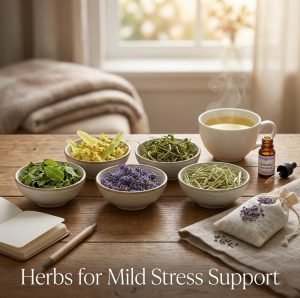
- Best European herbs for mild stress support — placed in anxiety section
Sources
- European Medicines Agency (EMA) – Community herbal monograph on Melissa officinalis L., folium. (2013).
- World Health Organization (WHO) – Monographs on selected medicinal plants, volume 2: Melissa officinalis.
- German Commission E Monograph – Lemon balm leaves (1988).
- Kennedy, D. O., et al. (2004). Modulation of mood and cognitive performance following acute administration of Melissa officinalis. Psychopharmacology, 176(3-4), 475-482.
- Scholey, A., et al. (2014). Anti‑stress effects of lemon balm. Nutrients, 6(10), 4805-4821.
- Koytchev, R., et al. (1999). Herbal cream for herpes simplex. Phytomedicine, 6(1), 1-6.
- National Center for Complementary and Integrative Health (NCCIH) – Lemon balm.