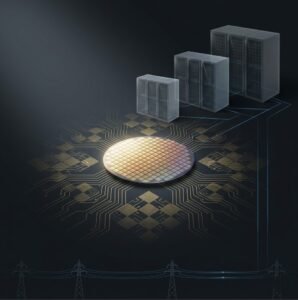
Holistic Dentistry: Alternative Approaches to Oral Health

Evidence-based review of holistic dentistry: mercury amalgam safety, biocompatible materials, ozone therapy, oil pulling, and unproven claims.
Evidence-based review of holistic dentistry: mercury amalgam safety, biocompatible materials, ozone therapy, oil pulling, and unproven claims.
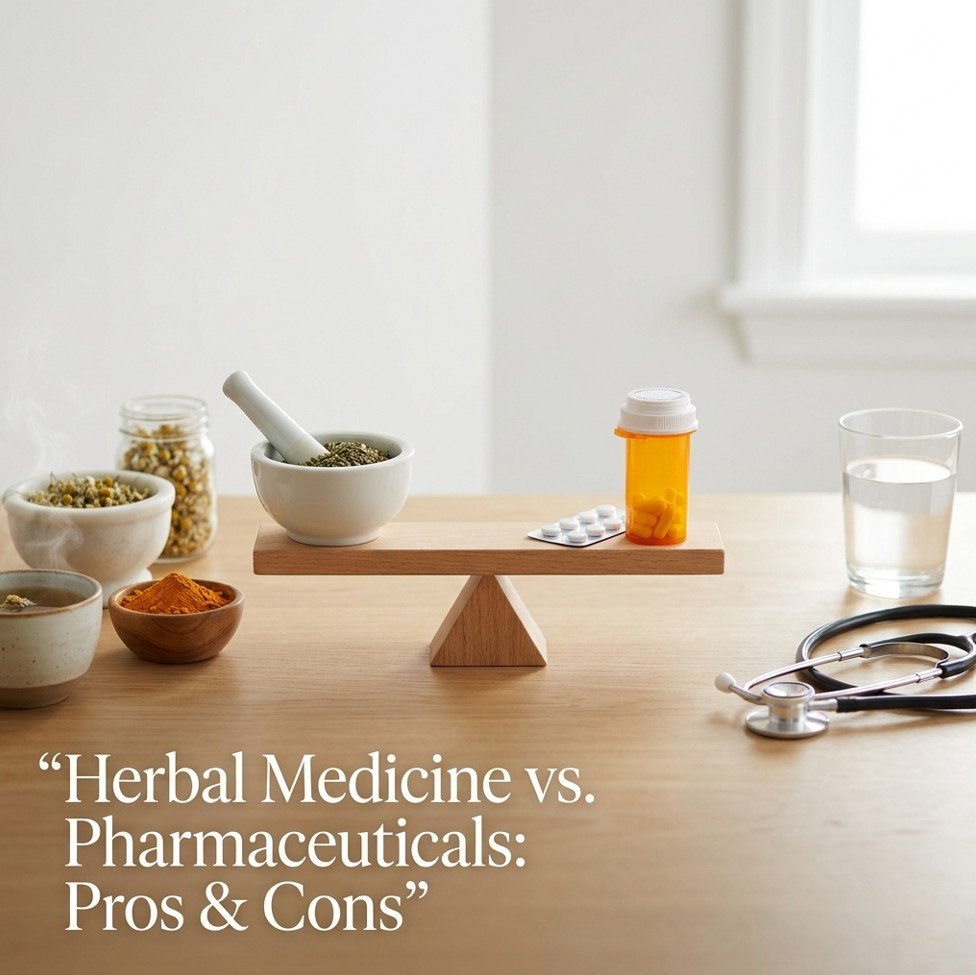
Compare herbal medicine and pharmaceutical drugs: strengths, weaknesses, evidence, safety, interactions, and when to use each. Evidence-based guide.
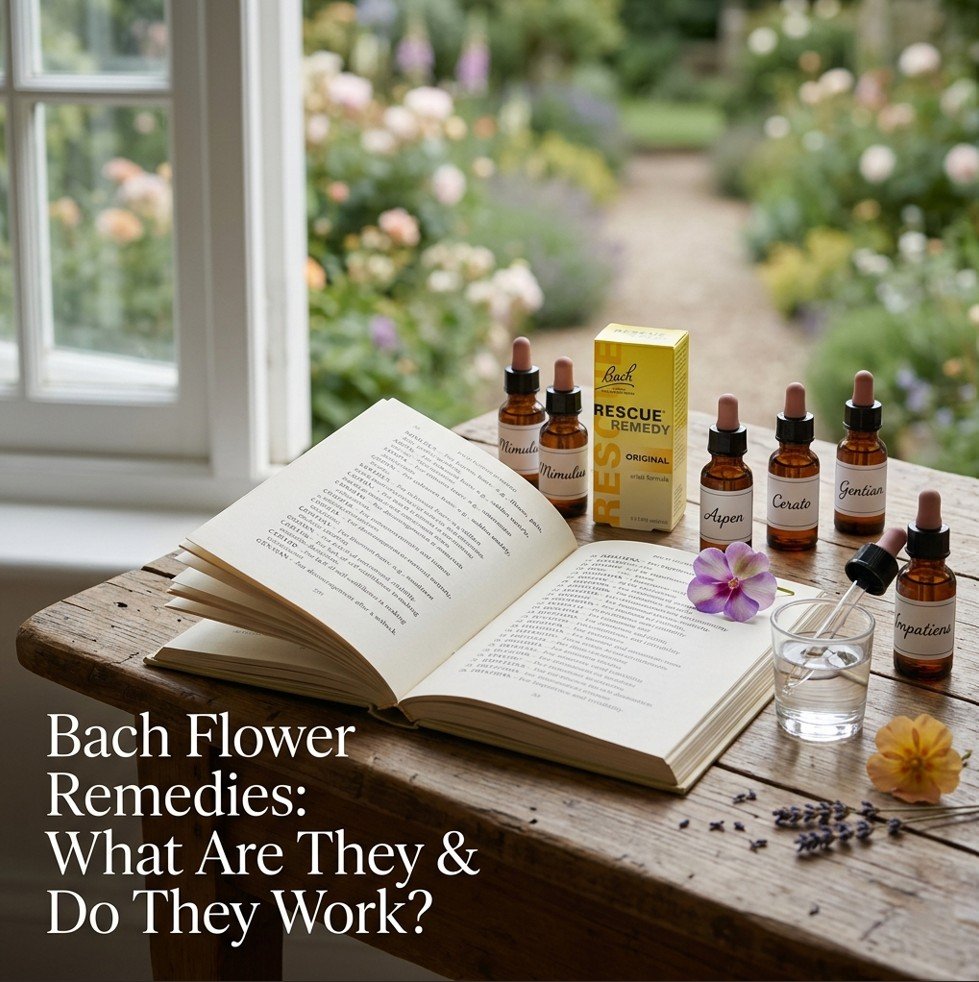
Evidence-based review of Bach flower remedies for anxiety, stress, and emotional balance. Systematic reviews show no benefit beyond placebo. Safety and comparison.

Evidence for probiotics in IBS, depression, antibiotic-associated diarrhea, and gut-brain axis. Strain-specific effects, safety, and how to choose
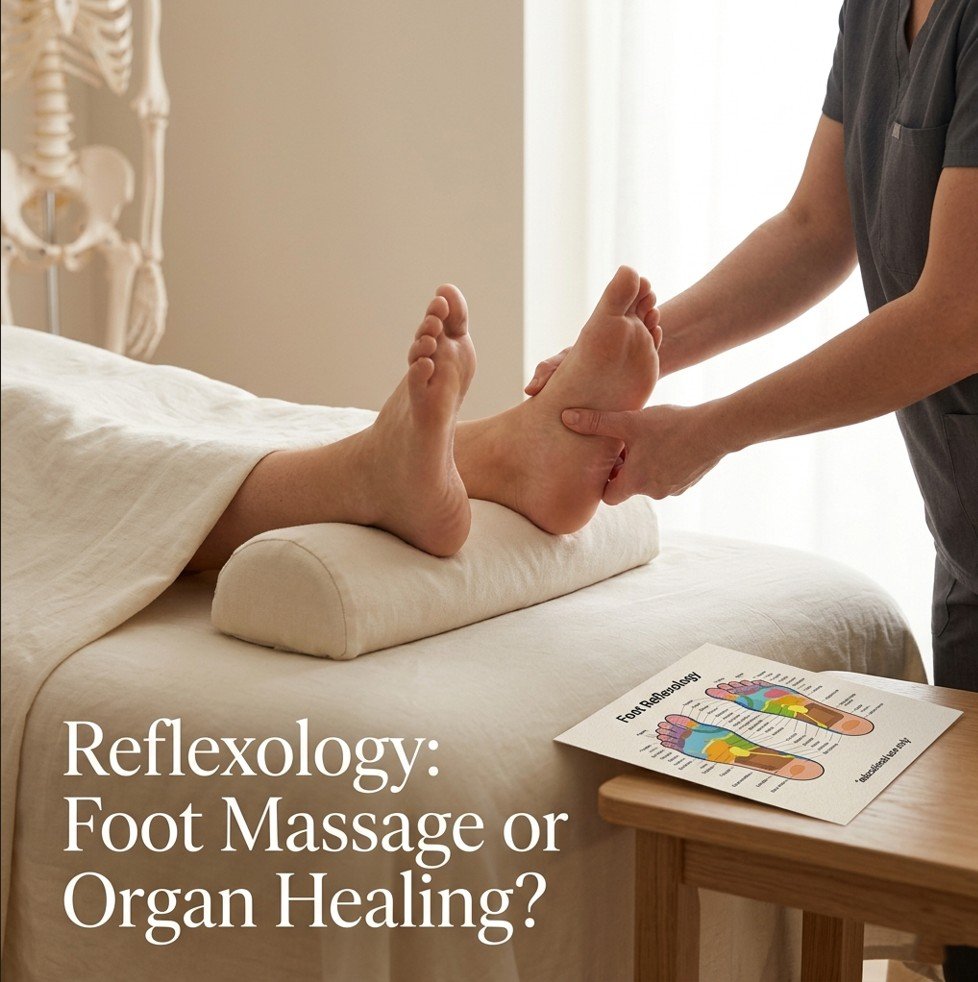
Reflexology: evidence for pain, anxiety, and quality of life — but no evidence for treating organic disease or diagnosis. Safety and comparisons.
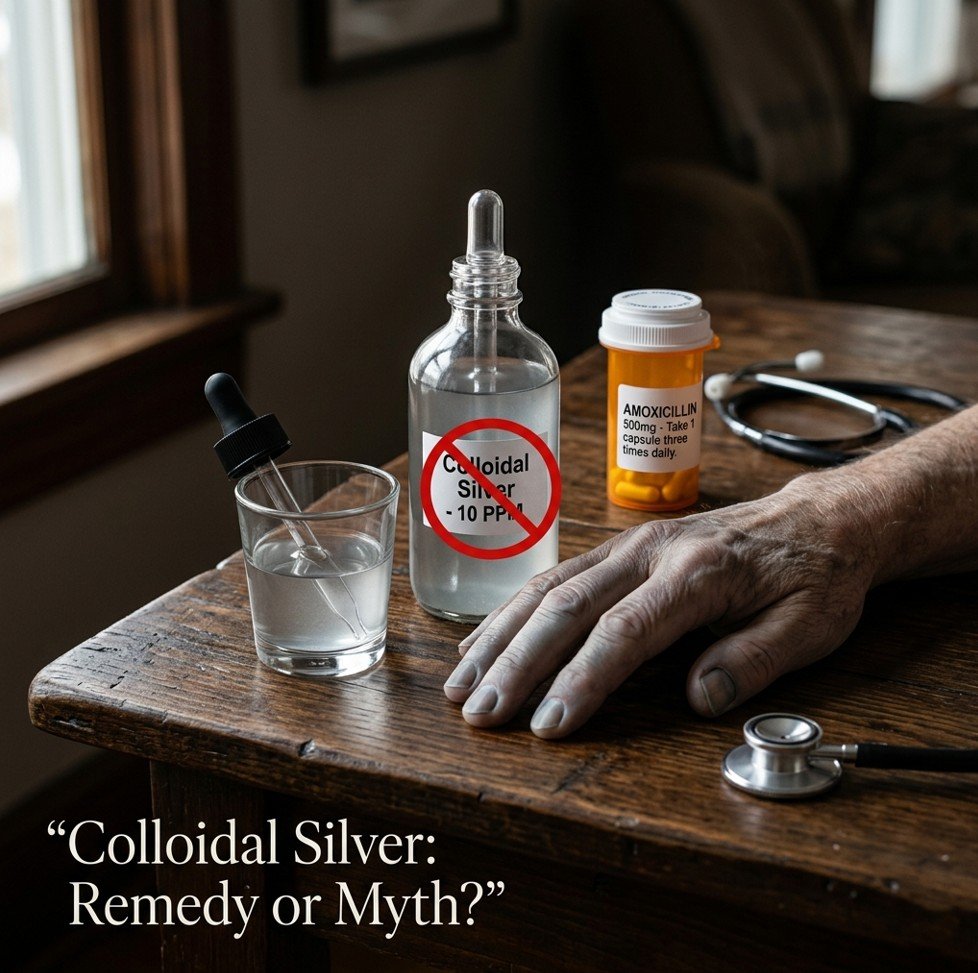
Colloidal silver: no proven benefits, serious risks (argyria, organ damage, seizures). Evidence review, safety, and why to avoid internal use.

Evidence for aromatherapy: anxiety, pain, nausea, sleep. Mechanisms, safety (pet toxicity, ingestion risks), and comparison with conventional care.
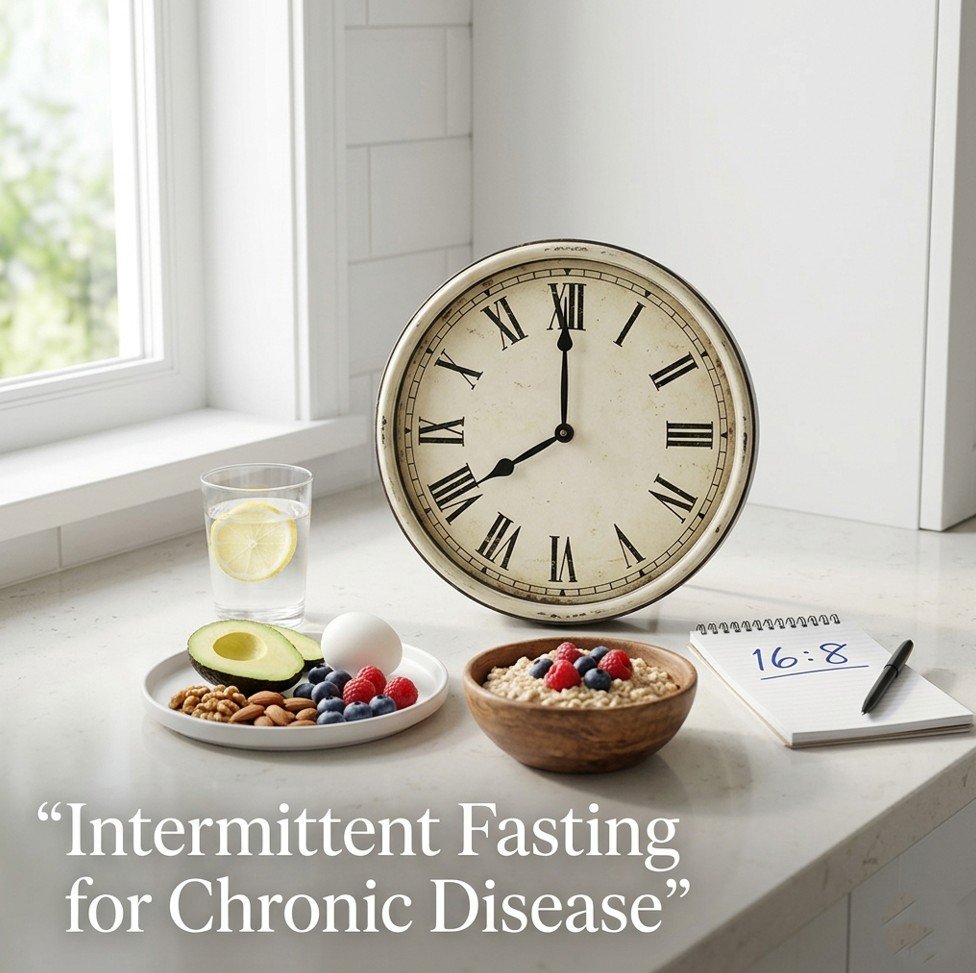
Evidence-based review of intermittent fasting for obesity, type 2 diabetes, CVD, NAFLD, neurodegeneration, and cancer. Safety, protocols, and who should avoid IF.
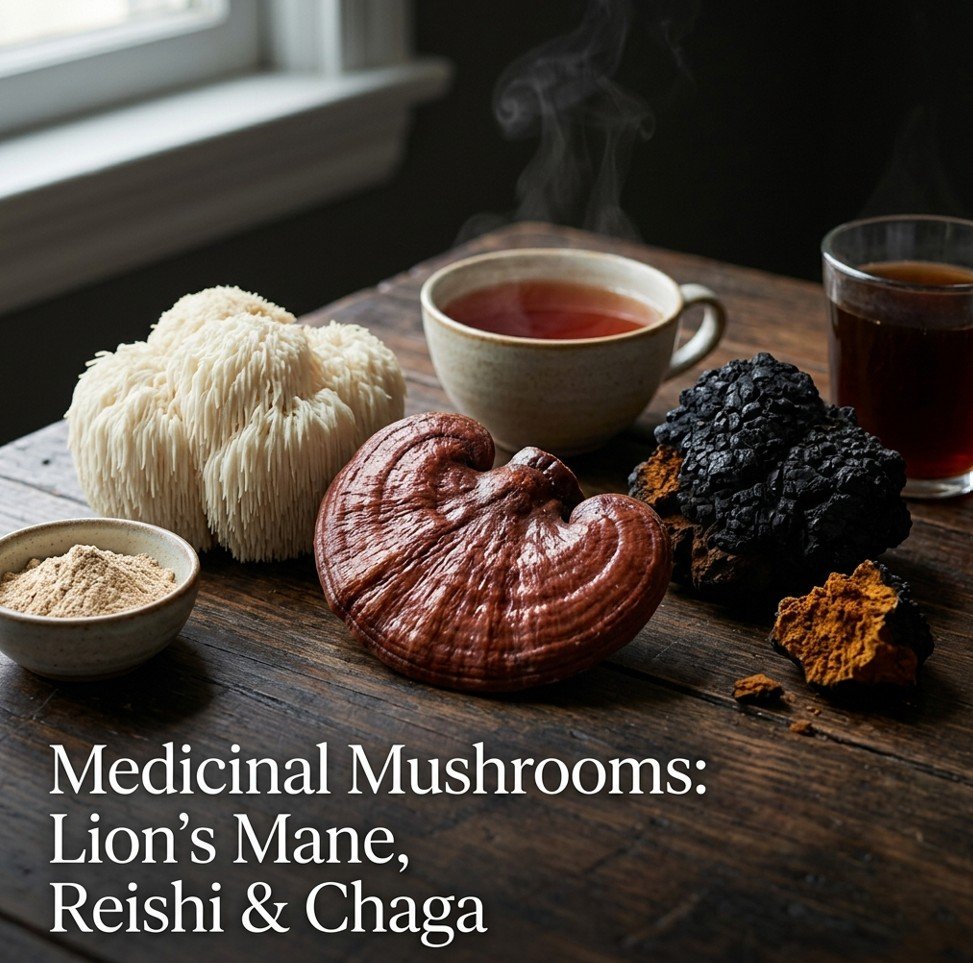
Evidence for lion’s mane (cognition), reishi (immune, cancer QoL), and chaga (antioxidants). Safety: bleeding risk, liver toxicity, kidney damage.
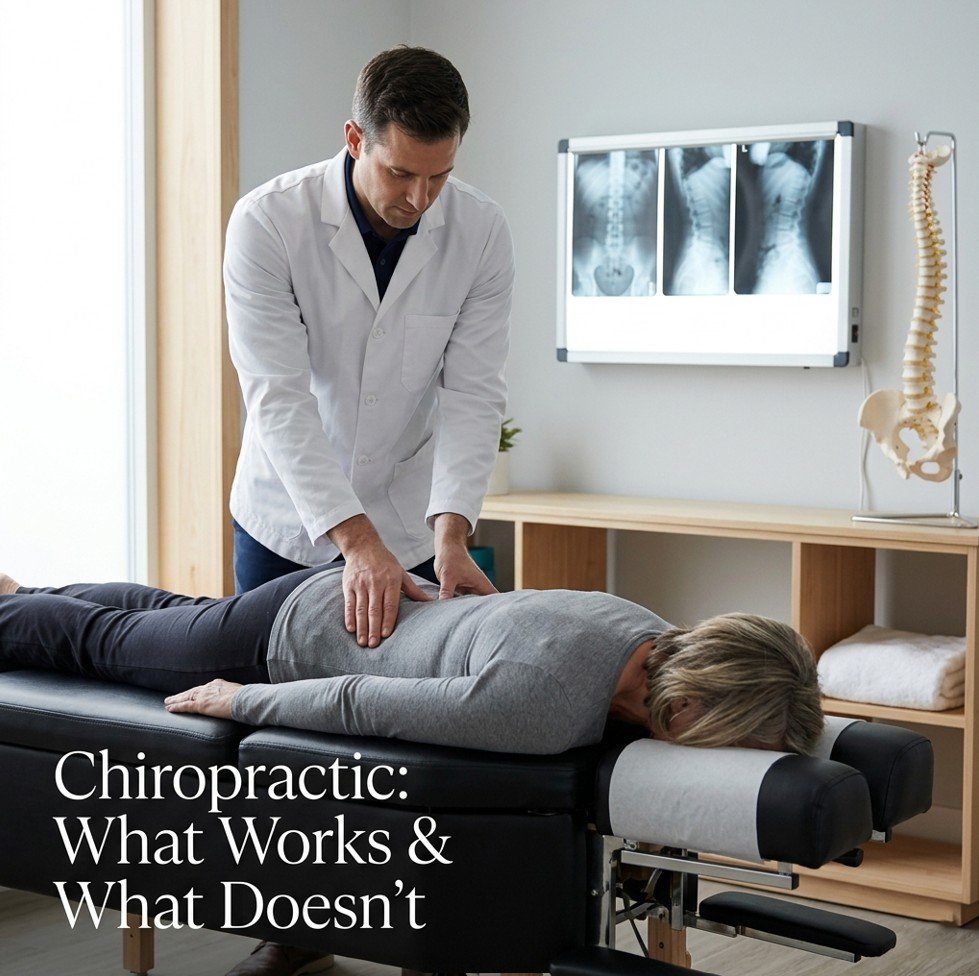
Evidence for chiropractic: strong for low back pain, weak for migraines, no evidence for asthma or colic. Risks include rare stroke from neck manipulatio
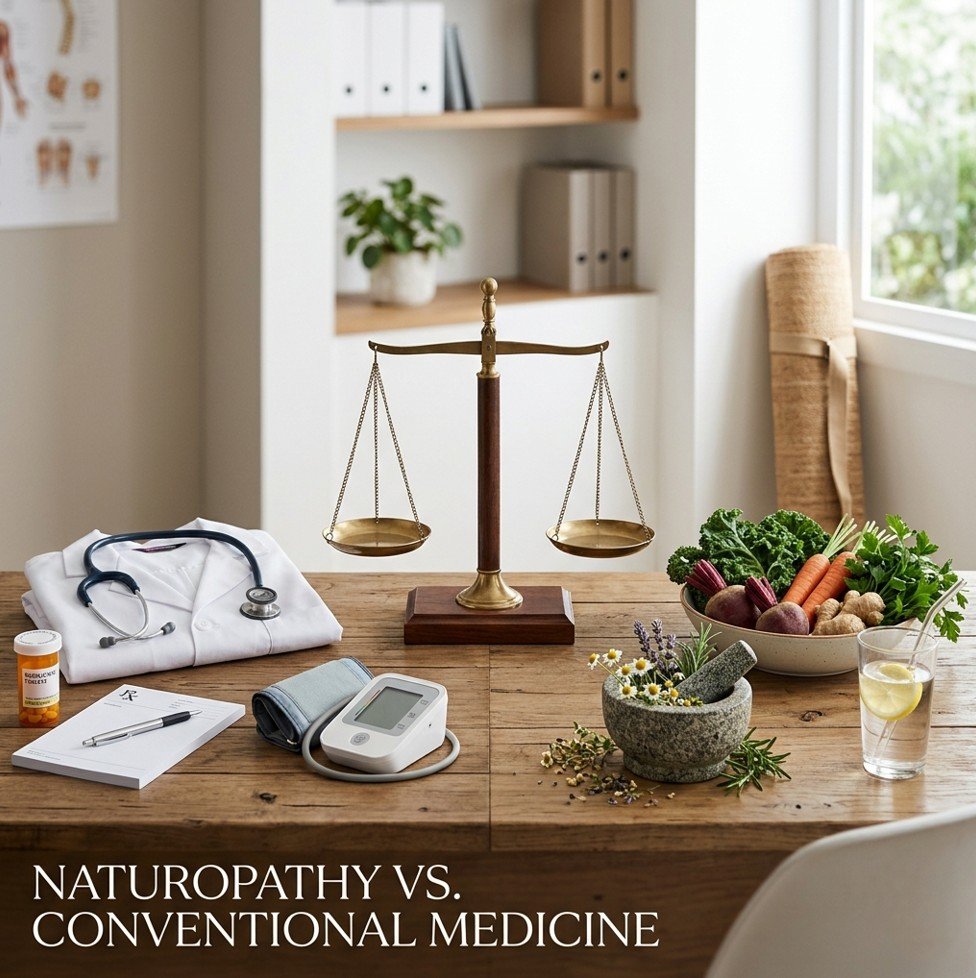
Naturopathy vs. conventional medicine: core principles, evidence, regulation, and safety. Learn how to integrate both safely for chronic disease prevention.

Evidence-based review of ashwagandha for stress, anxiety, sleep, testosterone, and thyroid. Safety, dosage, and medication interactions
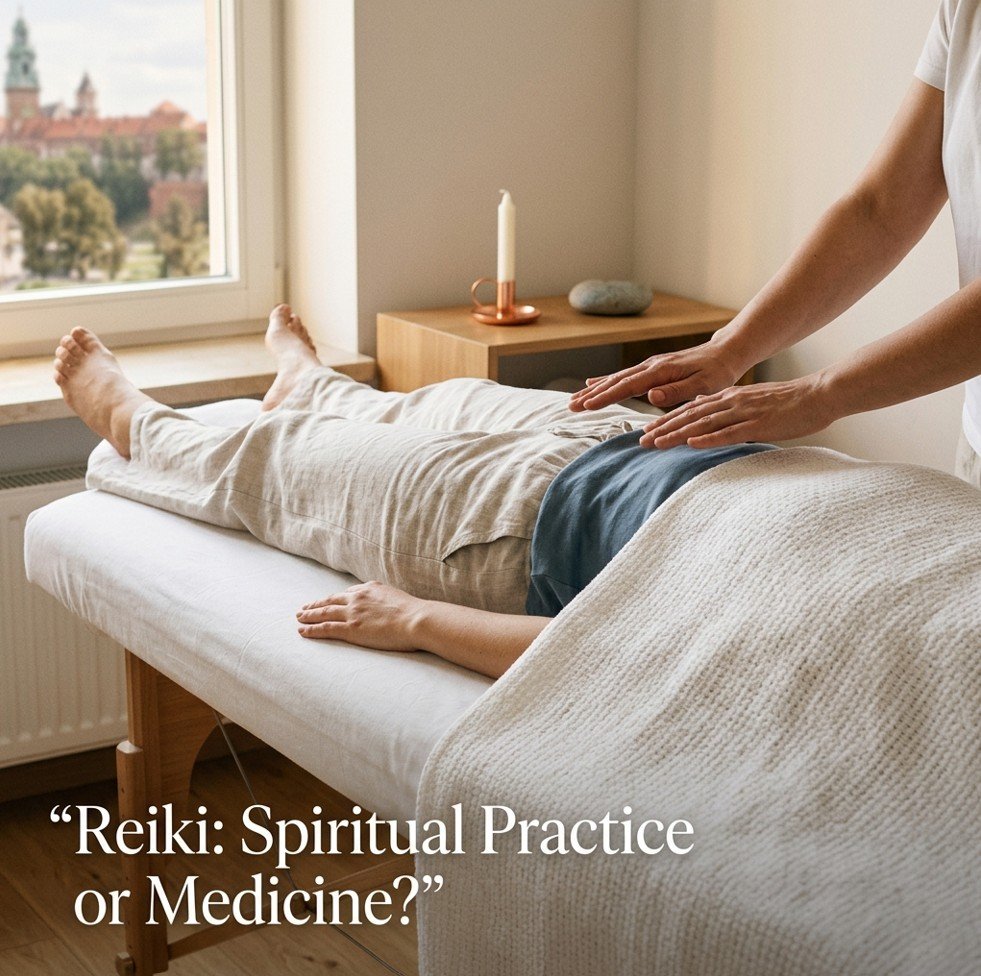
Reiki (pronounced “ray-key”) is a form of energy medicine that originated in Japan in the early 20th century. The word Reiki comes from two Japanese words: “rei” (universal) and “ki” (life energy). Practitioners place their hands lightly on or just above a person’s body with the intention of channeling energy to support the recipient’s own … Read more
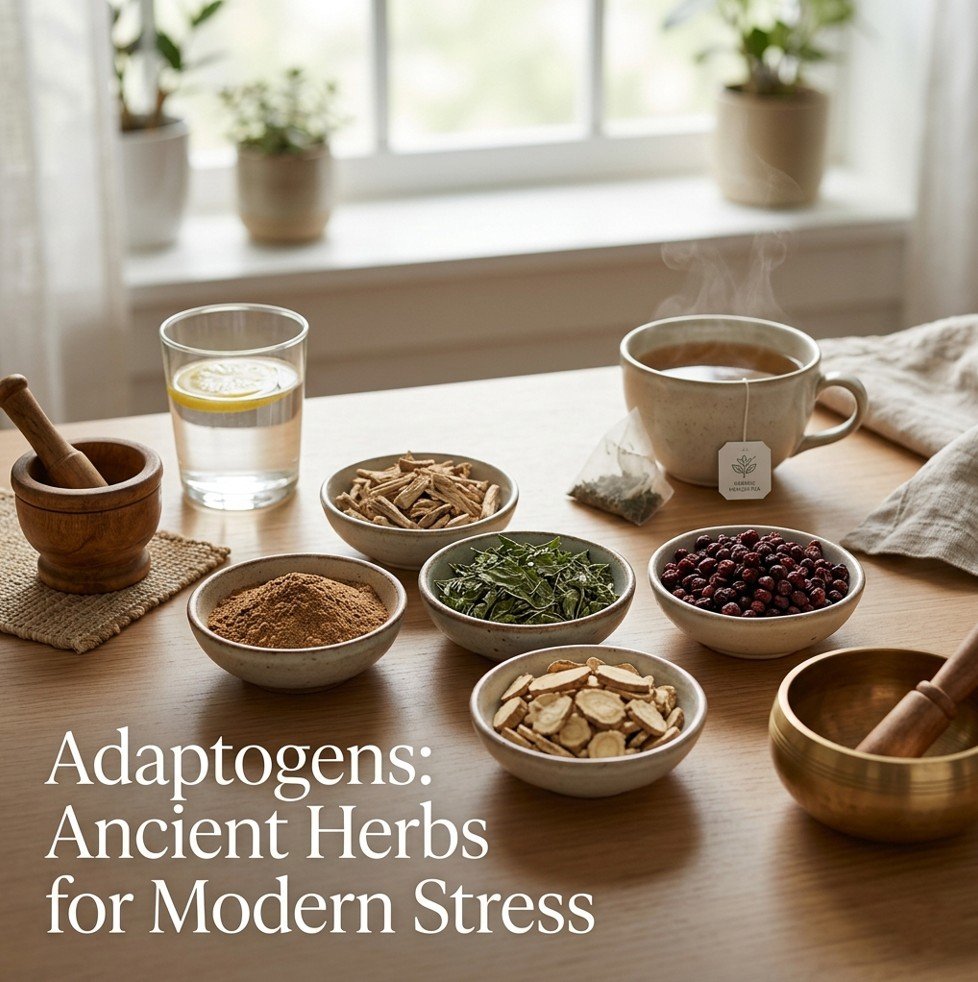
Ashwagandha, rhodiola, holy basil, and more. Evidence for stress reduction, anxiety, and fatigue. Safety, interactions, and how to use adaptogens.
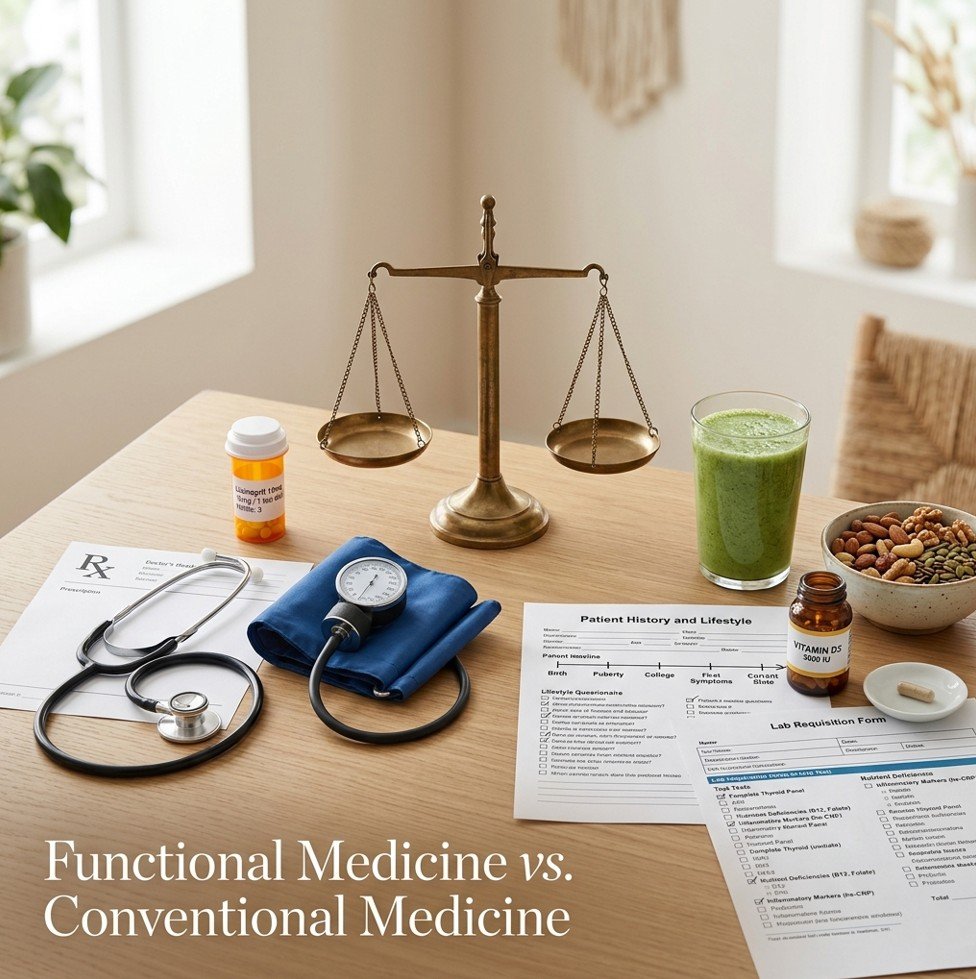
Functional medicine vs. conventional medicine: root causes, evidence, criticisms (unvalidated tests, costs), and how to choose safely.