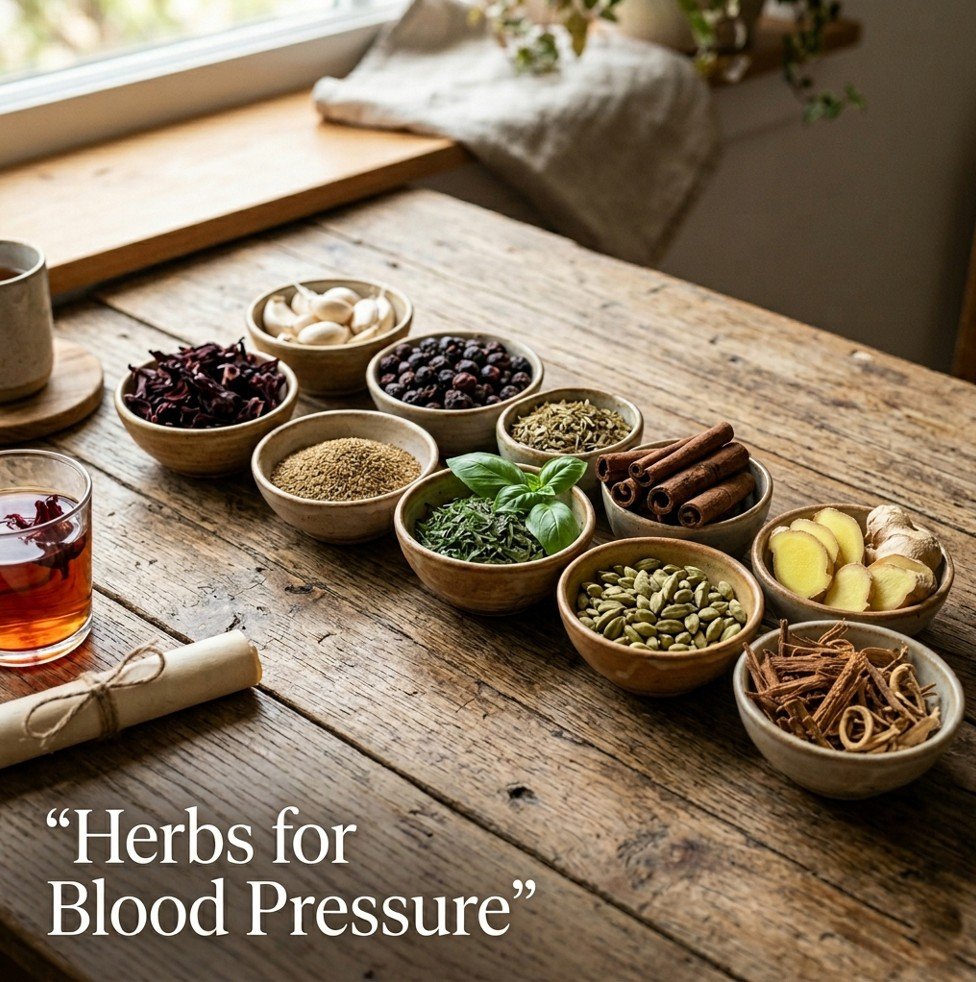
High blood pressure — or hypertension — is often called the “silent killer” because it rarely causes symptoms while quietly damaging arteries, the heart, and the kidneys. Conventional treatment includes dietary changes, exercise, stress management, and when needed, antihypertensive medications. But many people also turn to herbal remedies as a complementary approach.
This article explores ten herbs traditionally used for blood pressure support. We will examine what modern research suggests, how to use each herb practically, and — most importantly — the safety precautions you must know before trying any of them. No herb should replace prescribed medication without medical supervision.
Understanding Blood Pressure and Why Herbs May Help
Blood pressure is the force of blood pushing against artery walls. It is recorded as two numbers: systolic (pressure during heartbeats) and diastolic (pressure between beats). Consistently high readings — generally 130/80 mmHg or above — define hypertension.
Herbs are not potent enough to reverse clinical hypertension on their own in most cases. However, some contain compounds that may mildly dilate blood vessels, act as natural diuretics, reduce inflammation, or block the enzyme ACE (angiotensin-converting enzyme), similar to certain drug classes. The effect is usually modest, but for individuals with slightly elevated pressure or as part of a broader lifestyle plan, certain herbs may offer supportive value.
1. Hibiscus (Hibiscus sabdariffa)
What it is: The deep red calyces of the hibiscus flower, most often consumed as a tart tea known as “sorrel” or “agua de Jamaica.”
Traditional use: Used in North African, Middle Eastern, and Mexican traditional medicine for heart health and to reduce body heat.
What modern research suggests: Hibiscus is one of the best-studied herbs for blood pressure. A 2015 meta-analysis of randomized controlled trials found that hibiscus tea reduced both systolic and diastolic blood pressure, with the strongest effects in people with higher baseline readings. Some studies compare its effect to low-dose captopril (an ACE inhibitor), though the herb’s effect is generally milder.
How to use it: Steep 1–2 teaspoons of dried hibiscus calyces in 250 ml of boiling water for 10–15 minutes. Drink 2–3 cups daily. Cold-brewed hibiscus tea is also common.
Key safety note: Hibiscus may interact with hydrochlorothiazide (a diuretic) and lower blood pressure too much when combined with other antihypertensives. Avoid if you have low blood pressure.
2. Garlic (Allium sativum)
What it is: A bulb vegetable used worldwide as a culinary and medicinal herb.
Traditional use: Ancient Greek, Egyptian, and Chinese medicine used garlic for heart conditions, infections, and fatigue.
What modern research suggests: Aged garlic extract, in particular, has shown modest blood pressure-lowering effects in several meta-analyses. The active compound allicin is thought to stimulate the production of hydrogen sulfide and nitric oxide, which relax blood vessels. A 2020 systematic review found that garlic supplements reduced systolic blood pressure by an average of 8–10 mmHg in people with hypertension — a small but meaningful effect.
How to use it: For medicinal effect, aged garlic extract standardized to allicin content is more reliable than raw garlic. Raw garlic (1–2 fresh cloves daily, crushed and left to sit for 10 minutes before cooking or eating) may also help. Garlic supplements are widely available.
Key safety note: Garlic has blood-thinning effects. Avoid high-dose supplements before surgery or if you take anticoagulants like warfarin. Raw garlic can cause heartburn and digestive upset.
3. Hawthorn (Crataegus spp.)
What it is: The leaves, berries, and flowers of the hawthorn shrub, native to Europe, North America, and Asia.
Traditional use: A long-standing European herbal remedy for heart failure, angina, and high blood pressure, dating back to the 17th century.
What modern research suggests: Hawthorn appears to act as a mild vasodilator and may improve blood flow to the heart. Clinical trials on hypertension specifically are less robust than for hibiscus, but several small studies suggest modest reductions in diastolic pressure. A 2018 review noted that hawthorn is generally safe but its effect on blood pressure alone is not strong enough for monotherapy.
How to use it: Hawthorn is most often taken as a standardized extract (250–500 mg daily) or as a tea (1 teaspoon of dried berries/leaves per cup, steeped 15 minutes). Effects may take several weeks to appear.
Key safety note: Hawthorn can potentiate the effects of digitalis (digoxin), beta-blockers, and calcium channel blockers. Do not combine without medical oversight.
4. Celery Seed (Apium graveolens)
What it is: The dried seeds of the celery plant, used as a spice and medicine.
Traditional use: In Ayurveda and traditional Chinese medicine, celery seeds were used as a diuretic and to treat “high heat” conditions, including hypertension.
What modern research suggests: Celery seed contains a compound called 3-n-butylphthalide (3nB), which in animal studies relaxes arterial smooth muscle. Human studies are limited but promising. One small 2013 trial found that a celery seed extract lowered blood pressure in people with mild to moderate hypertension without significant side effects.
How to use it: Celery seed extract supplements (standardized to 85% 3nB) are preferred. Whole seeds can be ground and added to food or brewed as tea (1 teaspoon per cup, steep 10 minutes).
Key safety note: Celery seed has diuretic properties and may lower potassium levels. Avoid large amounts during pregnancy as it may stimulate uterine contractions.
5. Basil (Ocimum basilicum)
What it is: A fragrant culinary herb, with holy basil (tulsi) being a related but distinct species often used in Ayurveda.
Traditional use: Basil has been used in Ayurveda for stress, inflammation, and heart health. Holy basil (Ocimum sanctum) is particularly revered.
What modern research suggests: Animal studies show that basil extract may lower blood pressure via calcium channel blocking effects. Human studies are scarce, but a small 2015 trial found that holy basil reduced systolic and diastolic pressure and improved stress markers. The effect is likely mild and supportive rather than therapeutic.
How to use it: Fresh basil leaves in food offer minimal medicinal dose. Holy basil tea (1 teaspoon dried leaves per cup) or standardized tulsi supplements are more reliable. Drink 1–2 cups of tulsi tea daily.
Key safety note: Basil is generally safe in culinary amounts. High-dose supplements may slow blood clotting — caution with anticoagulants.
6. Cinnamon (Cinnamomum cassia / verum)
What it is: The inner bark of trees from the Cinnamomum genus. Cassia is common in supermarkets; Ceylon (verum) is milder.
Traditional use: Used in Chinese and Indian medicine for circulation, colds, and digestive complaints.
What modern research suggests: Cinnamon’s effect on blood pressure is mixed. Some meta-analyses show a small reduction in systolic pressure (about 5 mmHg) with consistent use, particularly in people with prediabetes or type 2 diabetes. Other studies find no significant effect. The evidence is not conclusive.
How to use it: 1–2 teaspoons of cinnamon powder daily, added to oatmeal, coffee, or smoothies. Ceylon cinnamon is preferred for long-term use due to lower coumarin content (coumarin can harm the liver in high doses).
Key safety note: Cassia cinnamon contains coumarin. Limit to 1 teaspoon (about 2 grams) per day. Do not use medicinal doses during pregnancy.
7. Cardamom (Elettaria cardamomum)
What it is: A spice from the ginger family, native to India.
Traditional use: In Ayurveda and Unani medicine, cardamom is used for respiratory and cardiovascular conditions, including high blood pressure.
What modern research suggests: A small 2009 clinical trial found that cardamom powder (3 grams daily for 12 weeks) significantly reduced systolic and diastolic blood pressure in people with stage 1 hypertension. The proposed mechanism includes antioxidant and diuretic effects. Larger confirmatory studies are needed.
How to use it: Grind green cardamom pods and use the powder. Add 1 teaspoon to tea, milk, or cooking daily. Cardamom supplements are also available.
Key safety note: Generally safe in food amounts. Therapeutic doses may cause gallstone pain in susceptible individuals due to its effect on bile flow.
8. Cat’s Claw (Uncaria tomentosa)
What it is: A woody vine native to the Amazon rainforest, named for its claw-like thorns.
Traditional use: Indigenous Peruvian medicine uses cat’s claw for inflammation, arthritis, and circulatory disorders.
What modern research suggests: Cat’s claw contains oxindole alkaloids that may block voltage-dependent calcium channels and stimulate nitric oxide production, leading to vasodilation. Animal studies show blood pressure-lowering effects, but high-quality human trials are lacking. One small 2001 study found that cat’s claw reduced blood pressure in healthy men, but the effect was not sustained.
How to use it: Cat’s claw is available as capsules, tinctures, and bark tea. Follow product dosing guidelines. Not for long-term use without breaks.
Key safety note: Cat’s claw may affect the immune system. Avoid if you have autoimmune conditions (rheumatoid arthritis, lupus, multiple sclerosis) or take immunosuppressants. Not recommended during pregnancy or breastfeeding.
9. Ginger (Zingiber officinale)
What it is: The rhizome of a flowering plant, widely used as a spice and medicine.
Traditional use: In Ayurveda, TCM, and Arabic medicine, ginger is used for nausea, inflammation, and circulation.
What modern research suggests: The evidence for ginger directly lowering blood pressure is inconsistent. Some animal studies suggest calcium channel blocking effects, but human trials have not consistently demonstrated significant reductions. A 2019 meta-analysis found no clear benefit for blood pressure in healthy adults, though ginger may improve blood pressure indirectly by reducing inflammation and oxidative stress.
How to use it: Fresh ginger tea (a 2 cm slice simmered in water for 10 minutes) or dried ginger powder (1–2 grams daily in capsules). Ginger is more established for nausea and pain than for hypertension.
Key safety note: Ginger is very safe in culinary amounts. High doses (over 5 grams) may cause heartburn and interact with blood thinners.
10. Olive Leaf (Olea europaea)
What it is: The leaves of the olive tree, historically considered a byproduct of olive cultivation.
Traditional use: Mediterranean traditional medicine used olive leaf tea for fevers, malaria, and high blood pressure.
What modern research suggests: Olive leaf contains oleuropein, a compound that in studies has shown ACE-inhibiting activity similar to some blood pressure drugs. A 2011 randomized trial found that olive leaf extract (500 mg twice daily) was as effective as captopril (an ACE inhibitor) at reducing blood pressure, with fewer side effects. A 2017 meta-analysis confirmed modest antihypertensive effects.
How to use it: Olive leaf extract standardized to 15–20% oleuropein is the most researched form. Doses typically range from 500–1000 mg daily. Olive leaf tea is also an option but less potent.
Key safety note: Olive leaf may cause dizziness if blood pressure drops too low when combined with medication. Start with a low dose.
How to Use These Remedies at Home
If you are considering adding one or more of these herbs to your routine, follow these practical guidelines:
Choose one herb at a time. Do not start multiple herbs simultaneously. This allows you to monitor effects and identify any adverse reactions.
Prefer tea for gentle support. For hibiscus, hawthorn, celery seed, and holy basil, tea is a safe and enjoyable method. Use 1–2 teaspoons of dried herb per cup of boiling water, steep covered for 10–15 minutes, and drink 2–3 cups daily.
Consider extracts for consistency. For garlic, olive leaf, and hawthorn, standardized extracts provide a predictable dose. Look for products from reputable manufacturers with third-party testing (USP, NSF, or similar).
Involve your doctor. Before starting any herbal supplement, especially if you take blood pressure medication, diuretics, or blood thinners, discuss it with your healthcare provider. They may want to monitor your blood pressure more frequently.
Track your numbers. Measure your blood pressure at home at the same time each day. Keep a log. If you see a consistent drop, your medication may need adjustment — never adjust medication yourself.
What Science Says
Let us be clear: No herb is a substitute for prescribed antihypertensive medication in people with moderate or severe hypertension. The evidence for herbs ranges from strong (hibiscus, garlic) to modest (hawthorn, olive leaf) to preliminary (cat’s claw, cardamom).
Most studies show reductions in systolic pressure of 5–10 mmHg. For someone with borderline high blood pressure (120–130/80–85), this could be clinically meaningful. For someone with stage 2 hypertension (140/90 or above), herbs alone are unlikely to bring pressure into normal range.
The strongest evidence supports hibiscus tea and aged garlic extract. Both have multiple randomized trials and meta-analyses. Olive leaf and hawthorn are reasonable second-tier options. The remaining herbs are either understudied or show inconsistent results.
Always remember: lifestyle modifications — reducing sodium, increasing potassium-rich foods, regular exercise, stress management, limiting alcohol — have far greater evidence for blood pressure control than any herb.
Safety, Interactions, and When to See a Doctor
Herbs are not risk-free. The following interactions and precautions are critical:
Medication interactions:
- Antihypertensive drugs (ACE inhibitors, ARBs, beta-blockers, calcium channel blockers, diuretics): Many of the herbs above can lower blood pressure further, potentially causing hypotension (dizziness, fainting, falls).
- Anticoagulants (warfarin, apixaban) and antiplatelet drugs (aspirin, clopidogrel): Garlic, ginger, and cat’s claw may increase bleeding risk.
- Lithium: Diuretic herbs like celery seed may reduce lithium excretion, leading to toxicity.
- Digoxin: Hawthorn can increase digoxin levels and toxicity.
Who should avoid these herbs:
- Pregnant or breastfeeding women: Avoid therapeutic doses of most herbs except culinary amounts. Hibiscus may stimulate menstruation.
- People with low blood pressure (systolic below 100 mmHg).
- Those scheduled for surgery: Stop garlic, ginger, and hawthorn at least two weeks prior.
- People with autoimmune diseases: Avoid cat’s claw.
When to see a doctor:
- If your home blood pressure readings consistently exceed 140/90 despite using herbs.
- If you experience dizziness, fainting, palpitations, or shortness of breath.
- Before combining herbs with any prescription medication.
FAQ
Q1: Can I stop my blood pressure medication if I start taking these herbs?
No. Do not stop or reduce prescribed medication without your doctor’s guidance. Herbs may support blood pressure control, but they are not replacements for standard treatment in diagnosed hypertension.
Q2: Which herb is most effective for lowering blood pressure?
Based on current evidence, hibiscus tea has the most consistent and well-documented effect. Aged garlic extract is also well-supported. However, individual responses vary.
Q3: How long do I need to take an herb before seeing an effect?
Most studies show effects after 4–12 weeks of consistent daily use. Hibiscus tea may lower blood pressure within 2–3 hours of drinking, but sustained benefits require regular consumption.
Q4: Are these herbs safe for children with high blood pressure?
No. Do not give herbal supplements to children for hypertension without specialist pediatric guidance. Childhood hypertension requires medical evaluation to rule out underlying causes.
Q5: Can I combine several of these herbs together for a stronger effect?
Combining multiple herbs that lower blood pressure increases the risk of hypotension. If you wish to combine, start with one, add a second only after 4 weeks, and monitor blood pressure closely. Consult a clinical herbalist or pharmacist.
Q6: Is store-bought hibiscus tea the same as medicinal hibiscus?
Many commercial hibiscus tea blends contain small amounts of hibiscus mixed with other flavors. For medicinal effect, use pure dried hibiscus calyces (often sold as “hibiscus flowers” or “jamaica”) and brew it stronger than typical tea.
Key Takeaways
- Hibiscus tea and aged garlic extract have the strongest research support for modest blood pressure reduction.
- Other herbs like olive leaf, hawthorn, and celery seed show promise but require more human studies.
- The typical blood pressure reduction from herbs is 5–10 mmHg — helpful for borderline hypertension but not a substitute for medication in moderate to severe cases.
- Always consult your doctor before starting any herb, especially if you take blood pressure drugs, diuretics, or blood thinners.
- Herbs work best as part of a broader lifestyle approach including diet, exercise, and stress reduction.
Internal Links Used
- European herbs for digestion support — in the context of traditional European herbalism (hawthorn, celery seed)
- Stress support herbs — because stress management is a key component of blood pressure control
- Herbs for sleep support — poor sleep is linked to hypertension, and some calming herbs may offer indirect benefits
- Turmeric and curcumin: the ultimate natural anti-inflammatory – in the hibiscus section (anti-inflammatory benefits)
- Best natural remedies for joint pain and arthritis – in the garlic section (inflammation and pain)
- Acupuncture for pain relief: what science says – in the lifestyle/stress section (non-pharmacological pain management)
Sources
- Serban, C., et al. (2015). “Effect of sour tea (Hibiscus sabdariffa L.) on blood pressure: a systematic review and meta-analysis.” Journal of Hypertension.
- Ried, K. (2020). “Garlic lowers blood pressure in hypertensive subjects: systematic review and meta-analysis.” Journal of Nutrition.
- Wang, J., et al. (2018). “Hawthorn: A systematic review of its efficacy and safety in cardiovascular disease.” Phytotherapy Research.
- Susalit, E., et al. (2011). “Olive leaf extract (Olea europaea) as an ACE inhibitor in mild to moderate hypertension.” Phytomedicine.
- National Center for Complementary and Integrative Health (NCCIH). “High Blood Pressure and Complementary Health Approaches.” nccih.nih.gov.