
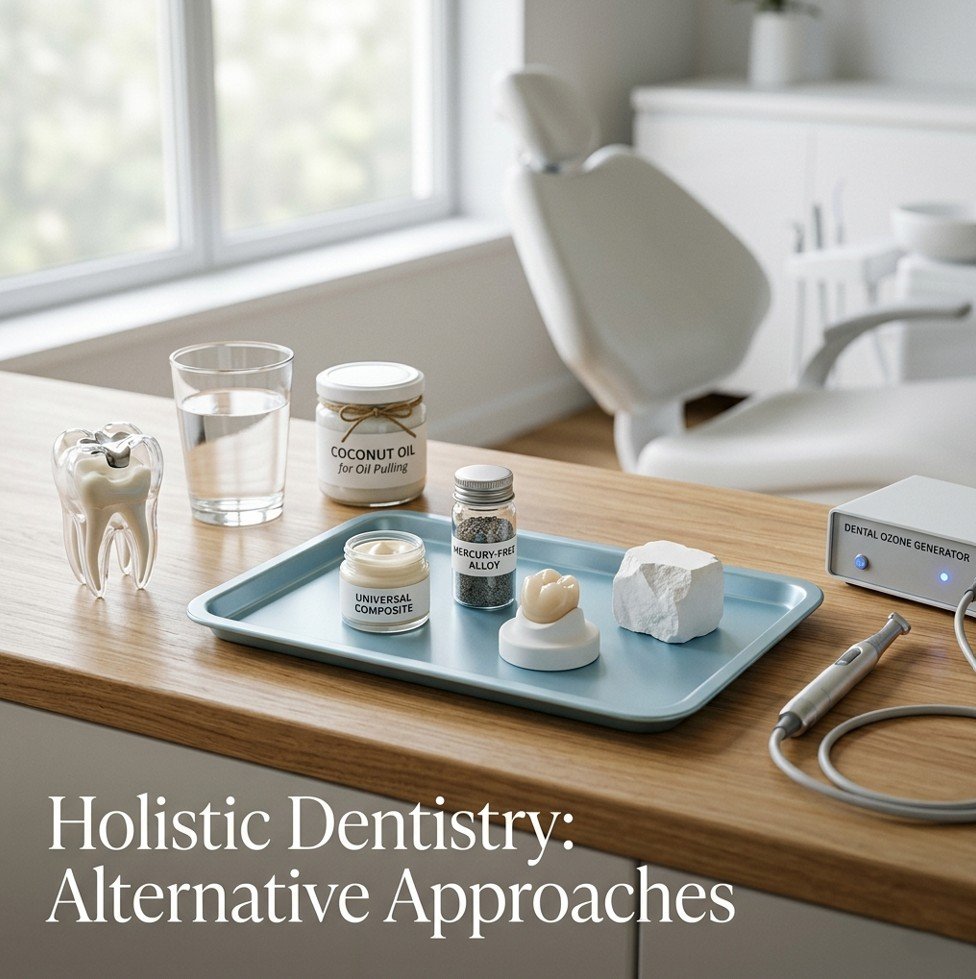
Holistic dentistry, also known as biological dentistry, integrative dentistry, or alternative dentistry, is a philosophy of dental care that views the mouth as an integral part of the entire body. Rather than treating teeth and gums in isolation, holistic dentists consider how dental materials, procedures, and oral health status affect overall health — and vice versa.
The field has grown in popularity as patients seek mercury-free restorations, less invasive treatments, and a more natural approach to oral health. Holistic dentists may use biocompatible materials (composite resins, ceramics, zirconia), employ advanced technologies like ozone therapy and lasers, offer nutritional counseling, and recommend oil pulling or other natural remedies.
However, not all claims made by holistic dentists are supported by scientific evidence. Some practitioners promote unproven or disproven theories — such as the idea that root canals cause systemic disease (focal infection theory) or that cavitations (ischemic bone lesions) require surgical intervention — that are not accepted by mainstream dentistry.
This article provides a balanced, evidence-informed overview of holistic dentistry, examining which alternative approaches have scientific support, which are controversial, and how patients can make informed decisions about their oral health.
What Is Holistic Dentistry? Core Principles
Holistic dentistry is not a formally recognized specialty by dental associations such as the American Dental Association (ADA). However, practitioners who identify as holistic or biological dentists share several core principles:
- The mouth-body connection: Oral health affects systemic health (e.g., periodontal disease linked to cardiovascular disease, diabetes, adverse pregnancy outcomes). Conversely, systemic conditions (e.g., diabetes, osteoporosis, autoimmune diseases) affect oral health.
- Minimizing toxicity: Avoiding or removing potentially toxic materials, particularly mercury amalgam. Using biocompatible materials (composite resins, ceramics, gold, zirconia) that are tested for individual patient sensitivity (though evidence for such testing is weak).
- Minimally invasive techniques: Preserving as much healthy tooth structure as possible, using air abrasion, lasers, and ozone instead of traditional high-speed drills when appropriate.
- Prevention and nutrition: Emphasizing diet (reducing sugar, increasing nutrient-dense foods) and lifestyle factors (stress management, sleep) to prevent dental disease.
- Supporting the body’s natural healing: Using therapies like ozone, laser biostimulation, and nutritional supplements to enhance healing.
Many of these principles align with evidence-based dentistry and are widely accepted. Others — particularly the claim that root canals cause systemic disease or that all mercury amalgam must be removed — are controversial and not supported by mainstream scientific consensus.
The Mercury Amalgam Debate: Science vs. Controversy
Dental amalgam — a mixture of mercury, silver, tin, and copper — has been used for over 150 years to fill cavities. It is durable, inexpensive, and easy to place. However, concerns about mercury toxicity have led many patients and holistic dentists to reject it.
What the Evidence Says
- Mercury release: Amalgam fillings do release small amounts of mercury vapor, especially during placement, removal, and when stimulated by chewing or brushing. The amount released is very small.
- Health effects in adults: Major health authorities — including the U.S. Food and Drug Administration (FDA), the American Dental Association (ADA), the World Health Organization (WHO), and the European Commission’s Scientific Committee on Emerging and Newly Identified Health Risks (SCENIHR) — have reviewed the evidence and concluded that dental amalgam is safe for adults (except those with mercury allergy). Multiple large studies have found no evidence of adverse neurological, renal, or developmental effects in adults from amalgam fillings.
- Pregnancy and children: Some studies have suggested a potential association between maternal amalgam fillings and developmental outcomes, but the evidence is inconsistent. The FDA advises that amalgam fillings should be avoided in certain populations: pregnant women, nursing women, children under 6, people with kidney disease, and those with known mercury allergy. The FDA does not recommend removing existing amalgam fillings in these populations unless medically necessary.
- Removal risks: Removing amalgam fillings can expose the patient to higher levels of mercury vapor than leaving them intact, especially if proper protocols (high-volume suction, rubber dam, cold water irrigation, specialized filters) are not followed. Unnecessary removal of sound amalgam fillings is not recommended.
Position of Major Authorities
- FDA: States that “dental amalgam is safe for use in adults and children ages 6 and above” but recommends avoiding it in high-risk groups. The FDA does not recommend removing existing amalgam fillings unless medically necessary.
- ADA: Affirms that amalgam is a safe, durable, and cost-effective restorative material. The ADA encourages dentists to discuss material options with patients.
- WHO: States that “dental amalgam is an effective restorative material” but supports a gradual reduction in its use due to environmental mercury pollution.
Practical Takeaway
For most adults, existing amalgam fillings are safe and do not need to be removed. If you are concerned about mercury, discuss with your dentist. If you choose to have amalgam fillings removed, ensure the dentist follows strict safety protocols (often called “SMART” — Safe Mercury Amalgam Removal Technique — developed by the International Academy of Oral Medicine and Toxicology). Do not have sound amalgam fillings removed unnecessarily, as the removal process itself carries risks.
Biocompatible Dental Materials: Alternatives to Amalgam
Holistic dentists often use alternative materials that are considered more biocompatible:
- Composite resin (tooth-colored fillings): Made of a mixture of plastic and glass particles. They bond directly to the tooth, requiring less removal of healthy structure than amalgam. However, they are less durable (especially for large fillings) and may contain bisphenol A (BPA) derivatives, though most modern composites are BPA-free.
- Glass ionomer cement: Releases fluoride, bonds chemically to tooth structure. Less durable than composite, often used for small fillings, primary teeth, or non-load-bearing areas.
- Ceramic and porcelain inlays/onlays: Highly aesthetic, durable, biocompatible. More expensive and require two visits.
- Zirconia: A very strong, white ceramic. Used for crowns, bridges, and implants. Biocompatible, metal-free.
- Gold: Highly durable, biocompatible, but expensive and not aesthetic.
Evidence: Composite resins, ceramics, and zirconia are widely used in conventional dentistry and are considered safe and effective for appropriate indications. The choice of material depends on the size and location of the restoration, patient preference, and cost.
Ozone Therapy in Dentistry: Emerging Evidence
Ozone (O₃) is a highly reactive form of oxygen with potent antimicrobial properties. In dentistry, ozone can be applied as a gas, ozonated water, or ozonated oil to treat cavities, gum disease, and root canal infections.
Proposed benefits: Kills bacteria, viruses, and fungi; promotes healing and remineralization of early enamel lesions; minimally invasive.
What the evidence says: A 2024 systematic review and meta-analysis of 16 clinical trials concluded that ozone therapy is effective in reducing the microbial load in dental caries, periodontal disease, and endodontic infections. However, the authors noted that most studies were of short duration and moderate quality. Ozone may be a useful adjunctive therapy, but it is not a substitute for traditional cavity preparation and filling in advanced lesions. For early, non-cavitated lesions, ozone may help remineralize enamel and prevent progression.
Bottom line: Ozone therapy is a promising adjunctive technology, but it is not a replacement for conventional restorative dentistry for established cavities.
Laser Dentistry: Evidence and Applications
Lasers have been used in dentistry for decades for soft tissue procedures (gum surgery, frenectomy, cold sore treatment) and, more recently, for hard tissue (cavity preparation, caries detection).
Evidence-supported uses:
- Soft tissue procedures (gingivectomy, frenectomy, biopsy): Lasers offer less bleeding, reduced pain, and faster healing compared to scalpels.
- Periodontal therapy (LANAP — Laser-Assisted New Attachment Procedure): Some studies suggest benefit, but evidence is mixed. The ADA has not endorsed LANAP as superior to conventional scaling and root planing.
- Caries detection: Laser fluorescence devices (e.g., DIAGNOdent) can help detect early cavities.
Less evidence-supported: Using lasers to prepare cavities (hard tissue ablation) is slower and more expensive than traditional drills and may not be suitable for deep or large cavities.
Bottom line: Laser dentistry is a valuable tool for certain procedures, but it is not a replacement for traditional methods in all cases.
Nutrition and Oral Health: Strong Evidence
One of the most evidence-supported aspects of holistic dentistry is the emphasis on nutrition for preventing dental disease.
Key Dietary Factors
- Sugar reduction: The single most important dietary intervention for preventing cavities. Fermentable carbohydrates (sucrose, glucose, fructose) are metabolized by oral bacteria to produce acid that demineralizes enamel.
- Fluoride: Naturally occurring mineral that strengthens enamel and inhibits bacterial acid production. Fluoridated water and toothpaste are strongly supported by evidence for caries prevention.
- Calcium and vitamin D: Essential for strong teeth and bones. Dairy, leafy greens, fortified foods, and adequate sun exposure (or supplements) are important.
- Vitamin C: Essential for healthy gums (collagen synthesis). Deficiency causes scurvy and bleeding gums.
- Xylitol: A natural sugar alcohol that inhibits Streptococcus mutans (the primary cavity-causing bacteria). Chewing xylitol gum (4–5 pieces daily) may reduce caries risk.
- Probiotics: Some studies suggest that specific probiotic strains (Lactobacillus reuteri, L. salivarius) may reduce gum inflammation and cavity-causing bacteria.
Practical Recommendations
- Limit sugary snacks and beverages (soda, juice, candy, pastries).
- Drink fluoridated water.
- Eat crunchy fruits and vegetables (apples, carrots, celery) to stimulate saliva flow.
- Chew xylitol gum after meals when brushing is not possible.
Oil Pulling: Traditional Remedy, Limited Evidence
Oil pulling involves swishing a tablespoon of oil (coconut, sesame, sunflower) in the mouth for 10–20 minutes, then spitting it out. It is an ancient Ayurvedic practice for oral hygiene.
What the evidence says: A 2017 systematic review found that oil pulling significantly reduced plaque and gingivitis scores compared to no intervention, and was comparable to chlorhexidine mouthwash in some studies. However, the studies were small and short-term. Oil pulling is not a substitute for brushing and flossing, but it may be a useful adjunct for reducing bad breath and mild gum inflammation.
Safety: Generally safe. Do not swallow the oil (it contains bacteria and toxins). Not recommended for children (risk of aspiration).
Controversial and Unproven Claims in Holistic Dentistry
Patients should be aware of several claims made by some holistic dentists that are not supported by mainstream science.
1. Root Canal Toxicity (Focal Infection Theory)
The claim: Root canal-treated teeth harbor bacteria that leak into the bloodstream and cause systemic diseases (arthritis, heart disease, chronic fatigue, cancer). Some holistic dentists recommend extracting root canal-treated teeth and replacing them with implants or bridges.
The evidence: The focal infection theory was popular in the early 20th century but was largely abandoned by the 1930s due to lack of evidence. Modern research, including large cohort studies, has found no association between root canal-treated teeth and systemic diseases. Root canal treatment is a safe, effective way to preserve a natural tooth. Unnecessary extraction of a root canal-treated tooth is not recommended.
2. Cavitations (Ischemic Bone Osteonecrosis)
The claim: “Cavitations” — areas of necrotic (dead) bone in the jaw, often at extraction sites — cause systemic illness and require surgical curettage.
The evidence: The existence and clinical significance of cavitations as described by holistic dentists are not recognized by mainstream oral pathology or radiology. Imaging findings (e.g., from cone-beam CT) that some practitioners interpret as cavitations are often normal anatomical variations or healing extraction sites. There is no high-quality evidence that cavitation surgery improves systemic health.
3. Electromagnetic Field (EMF) Sensitivity from Dental Materials
The claim: Metal dental materials (amalgam, crowns, implants) act as antennas that concentrate EMFs from cell phones, Wi-Fi, and power lines, causing symptoms like headache, fatigue, and brain fog.
The evidence: There is no scientific evidence that dental materials meaningfully concentrate EMFs or cause health effects in the general population. This claim is not supported by physics or epidemiology.
4. Biocompatibility Testing (Blood Tests for Dental Materials)
The claim: Blood tests can determine which dental materials are “compatible” with a patient’s immune system and which will cause adverse reactions.
The evidence: These tests (e.g., Clifford Materials Reactivity Test) are not validated, not accepted by mainstream immunology or dentistry, and may lead to unnecessary replacement of restorations. True allergic reactions to dental materials are rare (e.g., to nickel, acrylates, or certain metals) and are diagnosed by patch testing, not blood tests.
How to Choose a Dentist: Practical Guidance
If you are interested in holistic or biological dentistry, consider the following:
- Credentials: Look for a dentist who is licensed and in good standing. Membership in organizations like the International Academy of Oral Medicine and Toxicology (IAOMT) or the Holistic Dental Association (HDA) indicates an interest in biological dentistry.
- Evidence-based approach: A responsible holistic dentist should be able to explain the evidence (or lack thereof) for their recommendations and should not promote disproven theories (e.g., that all root canals are toxic).
- Referral and collaboration: A good holistic dentist should be willing to collaborate with your primary care physician and refer to specialists when needed.
- Avoid red flags: Be wary of dentists who recommend removing all amalgam fillings (especially sound ones) without medical indication, extracting root canal-treated teeth for systemic reasons, or performing cavitation surgery based on unvalidated diagnostic tests.
Safety, Risks, and Who Should Be Cautious
General Safety
Most alternative approaches in holistic dentistry — biocompatible materials, nutrition counseling, oil pulling, laser therapy — are safe when performed appropriately.
Risks of Unnecessary Procedures
- Removing sound amalgam fillings: Exposes patient to mercury vapor during removal; risks damaging healthy tooth structure; costs time and money with no proven benefit.
- Extracting root canal-treated teeth: Unnecessary loss of natural teeth; implant placement carries its own risks and costs.
- Cavitation surgery: Surgical intervention in the jawbone carries risks of infection, nerve damage, and pain, with no proven benefit.
Who Should Be Cautious
- Pregnant and breastfeeding women: Avoid unnecessary dental procedures, including removal of sound amalgam fillings. Routine preventive care (cleanings, necessary restorations) is safe.
- Children: Do not remove sound amalgam fillings in children without medical indication. Use composite resins for new restorations if preferred.
- People with metal allergies: Patch testing by an allergist is appropriate if a true allergy is suspected. Unvalidated blood tests are not reliable.
FAQ
Q1: Are amalgam fillings dangerous?
For most adults, no. Major health authorities (FDA, ADA, WHO) have concluded that dental amalgam is safe for adults and children over 6. However, the FDA recommends avoiding amalgam in pregnant women, nursing women, children under 6, people with kidney disease, and those with mercury allergy. Existing amalgam fillings do not need to be removed unless they are broken or there is decay underneath.
Q2: Should I have my amalgam fillings removed?
Only if they are defective (cracked, leaking, recurrent decay) or if you have a confirmed mercury allergy. Unnecessary removal of sound amalgam fillings exposes you to more mercury vapor during removal than leaving them intact, and can damage healthy tooth structure. If you choose to have them removed, ensure the dentist follows strict safety protocols (SMART).
Q3: Are root canals safe?
Yes. Root canal treatment is a safe, effective procedure to preserve a natural tooth. The focal infection theory has been discredited. There is no scientific evidence that root canal-treated teeth cause systemic disease. Do not extract a root canal-treated tooth based on unsubstantiated claims.
Q4: What is the best material for a filling?
It depends on the size and location of the cavity. Composite resin is aesthetic and bonds to the tooth. Amalgam is durable and inexpensive. Glass ionomer releases fluoride. Ceramic and gold are very durable but expensive. Discuss options with your dentist.
Q5: Does oil pulling really work for oral health?
Oil pulling may modestly reduce plaque and gingivitis, but it is not a substitute for brushing and flossing. It may be a useful adjunct for reducing bad breath. Use it in addition to — not instead of — standard oral hygiene.
Q6: How can I prevent cavities naturally?
Reduce sugar intake, drink fluoridated water, brush twice daily with fluoride toothpaste, floss daily, chew xylitol gum after meals, eat crunchy fruits and vegetables, and get adequate vitamin D and calcium. See your dentist regularly for cleanings and check-ups.
Key Takeaways
- Holistic dentistry emphasizes the mouth-body connection, minimally invasive techniques, biocompatible materials, and prevention through nutrition. Many of these principles align with evidence-based dentistry.
- Dental amalgam is considered safe for most adults by major health authorities, though the FDA recommends avoiding it in certain populations (pregnant women, children under 6, people with kidney disease or mercury allergy). Existing amalgam fillings do not need to be removed unless defective.
- Alternative materials (composite resins, ceramics, zirconia) are safe, effective, and widely used.
- Ozone therapy and laser dentistry have emerging evidence as adjunctive treatments but are not substitutes for conventional restorative dentistry for established cavities.
- Nutrition is critical: Reducing sugar, adequate fluoride, calcium, vitamin D, and xylitol have strong evidence for preventing dental disease.
- Controversial and unproven claims: Root canals do not cause systemic disease; cavitations as described by holistic dentists are not recognized by mainstream dentistry; biocompatibility blood tests are not validated.
- Safety: Unnecessary removal of amalgam fillings or extraction of root canal-treated teeth carries risks and no proven benefit. Always seek evidence-based care.
Internal Links Used
- Natural antibiotics: plants that fight infections — in the oil pulling section (honey and antimicrobials for oral health)
- What is Ayurveda and can it really heal your body? — in the oil pulling section (Ayurvedic origins)
- Probiotics and gut health: the alternative medicine approach — in the nutrition section (probiotics for oral health)
- Herbal medicine vs. pharmaceutical drugs: pros and cons — in the discussion of materials and evidence
- Oil pulling and Ayurveda – in the oil pulling section (already there)
Add: Probiotics and gut health: the alternative medicine approach – in the oral microbiome section - Natural antibiotics: plants that fight infections – in the oral infections section
- Herbal medicine vs. pharmaceutical drugs: pros and cons – in the materials discussion
Sources
- U.S. Food and Drug Administration (FDA). “Dental Amalgam: What You Need to Know.” 2020.
- American Dental Association (ADA). “Dental Amalgam: A Safe, Durable and Cost-Effective Restorative Material.”
- World Health Organization (WHO). “Dental amalgam and its impact on the environment.” 2023.
- “Ozone therapy in dentistry: a systematic review and meta-analysis.” Journal of Clinical and Diagnostic Research. 2024.
- “Laser dentistry: a systematic review of clinical applications.” Lasers in Medical Science. 2023.
- “Oil pulling for oral health: a systematic review.” Journal of Traditional and Complementary Medicine. 2017.
- “Root canal treatment and systemic health: a systematic review.” Journal of Endodontics. 2013.
- International Academy of Oral Medicine and Toxicology (IAOMT). “SMART protocol for amalgam removal.”
- “Cavitations: a critical review of the evidence.” Oral Surgery, Oral Medicine, Oral Pathology. 2015.
- “Biocompatibility testing for dental materials: a review.” Journal of Prosthetic Dentistry. 2020.