Anxiety is more than just occasional worry. It is a persistent state of heightened alertness, fear, or dread that interferes with daily life. Symptoms include restlessness, fatigue, difficulty concentrating, irritability, muscle tension, and sleep disturbances. For some, anxiety manifests as panic attacks — sudden episodes of intense fear with palpitations, sweating, and shortness of breath.
First-line conventional treatments include psychotherapy (particularly cognitive behavioral therapy, CBT) and medications (SSRIs, SNRIs, benzodiazepines for short-term use). But many people prefer to try natural approaches first, or to complement their existing treatment. This article reviews the most evidence-supported natural remedies for anxiety, with a clear-eyed look at what works, what is speculative, and what is unsafe.
Important disclaimer: If you have severe anxiety, panic disorder with frequent attacks, or thoughts of self-harm, do not rely on natural remedies alone. Seek professional mental health care immediately.
Understanding Anxiety and Why Natural Remedies May Help
Anxiety involves multiple brain systems: the amygdala (fear center), the hypothalamic-pituitary-adrenal (HPA) axis (stress hormone response), and neurotransmitters including serotonin, GABA (gamma-aminobutyric acid), and norepinephrine.
Natural remedies target these systems in different ways:
- Some herbs (chamomile, passionflower) bind to GABA receptors, producing mild calming effects similar to benzodiazepines but much weaker.
- Others (lavender, lemon balm) reduce sympathetic nervous system activity.
- Magnesium and L-theanine support neurotransmitter function.
- Behavioral techniques directly reduce the physiological arousal of anxiety.
None of these remedies are as potent as prescription anxiolytics. But for mild, generalized anxiety or situational stress, they can be helpful adjuncts.
Evidence-Supported Herbal Remedies
1. Chamomile (Matricaria chamomilla)
What it is: A daisy-like flowering plant, one of the most widely used medicinal herbs in the Western world.
Traditional use: Chamomile has been used for centuries in European herbalism for nervousness, insomnia, and digestive complaints.
Key active compounds: Apigenin, a flavonoid that binds to benzodiazepine receptors on GABA receptors (though weakly).
What modern research suggests: Chamomile is one of the better-studied herbs for generalized anxiety disorder (GAD). A 2016 randomized controlled trial of 179 people with mild to moderate GAD found that chamomile extract (500 mg three times daily) significantly reduced anxiety symptoms compared to placebo over 8 weeks. A 2021 systematic review confirmed that chamomile modestly improves anxiety symptoms, particularly in long-term use. The effect is small to moderate — about a 20–30% reduction in anxiety scores.
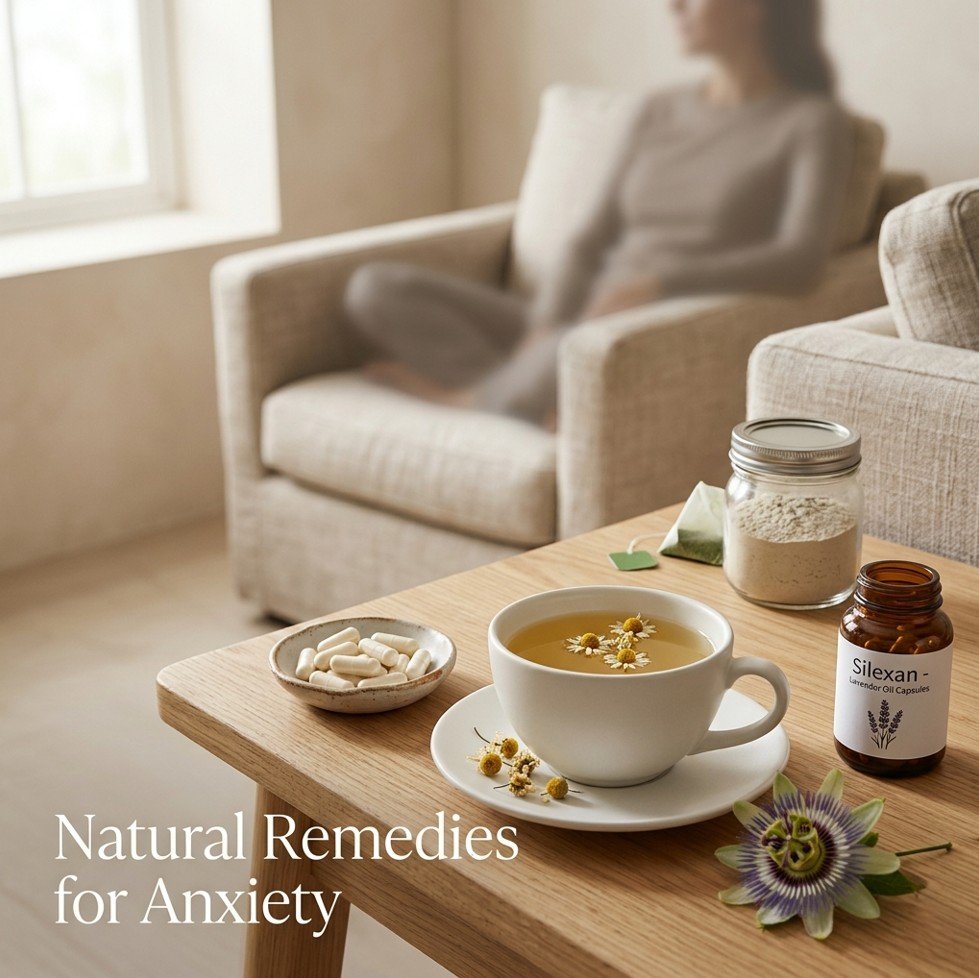
How to use it: Chamomile tea (2–3 teaspoons of dried flowers per cup, steeped 10 minutes) is weaker but pleasant. For therapeutic effect, standardized chamomile extract (300–500 mg, 2–3 times daily) is more reliable. See our chamomile guide for details.
Key safety note: Chamomile is generally safe. Rare allergic reactions in people sensitive to ragweed. May interact with blood thinners (warfarin) — theoretical risk. Safe during pregnancy in food amounts, but high-dose extracts should be avoided.
2. Lavender (Lavandula angustifolia) — Oral Preparation
What it is: A fragrant herb, most commonly used in aromatherapy. Oral lavender oil capsules (Silexan) are a standardized preparation.
Traditional use: Lavender has been used for anxiety, insomnia, and nervous tension for centuries in European herbalism.
What modern research suggests: Oral lavender oil (Silexan) has the strongest evidence of any herbal anxiety remedy. A 2010 randomized trial of 221 people with GAD found that 80 mg of lavender oil daily was as effective as 0.5 mg of lorazepam (a benzodiazepine) but without the sedation and dependence risk. Multiple subsequent trials have confirmed that lavender oil significantly reduces anxiety symptoms, with effect sizes comparable to low-dose SSRIs. A 2019 meta-analysis of 7 trials concluded that lavender oil is effective for GAD and subsyndromal anxiety.
How to use it: Silexan (brand name) capsules, 80 mg once daily. Takes 2–4 weeks for full effect. Not available in all countries; check local regulations.
Key safety note: Oral lavender oil is safe for most adults. Do not ingest lavender essential oil meant for aromatherapy — only use products specifically formulated for oral use (Silexan). Lavender may cause mild gastrointestinal upset or headache. Theoretical hormonal effects (anti-androgenic) — avoid in boys before puberty or in men with hormone-sensitive conditions. Pregnant women should avoid oral lavender.
Aromatherapy (inhaled lavender): Evidence is weaker but positive. Inhaled lavender (4–6 drops in a diffuser) may reduce state anxiety (e.g., before a dental procedure). However, the effect is small and short-lived.
3. Passionflower (Passiflora incarnata)
What it is: A climbing vine native to the Americas, used traditionally as a sedative and anxiolytic.
Traditional use: Indigenous peoples of North and South America used passionflower for insomnia and nervousness. European herbalism adopted it in the 19th century.
Key active compounds: Flavonoids (including chrysin, apigenin) that modulate GABA receptors.
What modern research suggests: A 2017 systematic review of 8 trials found that passionflower significantly reduced anxiety symptoms compared to placebo, and in one trial was comparable to oxazepam (a benzodiazepine) but with less sedation. The evidence is moderate — fewer high-quality trials than for chamomile or lavender.
How to use it: Passionflower tea (1 teaspoon dried herb per cup, steep 10–15 minutes) or tincture (2–3 ml, 3 times daily). Standardized extracts (250–500 mg) are also available. Do not use for more than 2–3 months continuously.
Key safety note: Passionflower is generally safe but may cause dizziness or drowsiness. Do not combine with sedatives, alcohol, or benzodiazepines. Avoid during pregnancy (may stimulate uterine contractions). Safety in breastfeeding unknown.
4. Lemon Balm (Melissa officinalis)
What it is: A lemon-scented herb from the mint family, native to Europe and the Mediterranean.
Traditional use: Lemon balm has been used since the Middle Ages for nervousness, insomnia, and palpitations.
Key active compounds: Rosmarinic acid and other polyphenols that inhibit GABA transaminase (the enzyme that breaks down GABA), increasing GABA levels.
What modern research suggests: Lemon balm is often studied in combination with other herbs (e.g., valerian). Stand-alone studies are limited. A 2004 trial found that 600 mg of lemon balm extract improved mood and reduced anxiety in healthy volunteers under stress. A 2018 study found similar benefits. The evidence is modest — lemon balm is likely a mild anxiolytic, particularly for acute stress.
How to use it: Lemon balm tea (1–2 teaspoons dried leaves per cup, steep 10 minutes) is pleasant and mild. For stronger effect, take 300–500 mg of standardized extract up to three times daily.
Key safety note: Lemon balm is very safe. May cause mild nausea at high doses. Safe during pregnancy in food amounts; therapeutic doses lack data. See our lemon balm tea guide for more.
Evidence-Supported Supplements
5. Magnesium (particularly magnesium glycinate)
What it is: An essential mineral involved in over 300 enzymatic reactions, including neurotransmitter regulation.
Why it might help: Magnesium modulates the NMDA receptor (involved in excitotoxicity) and supports GABA function. Magnesium deficiency is linked to anxiety and depression.
What modern research suggests: A 2017 randomized trial of 126 people with mild to moderate anxiety found that 248 mg of magnesium daily (as magnesium citrate) for 6 weeks significantly reduced anxiety scores compared to placebo. A 2020 systematic review concluded that magnesium supplementation may reduce anxiety symptoms, particularly in people with premenstrual syndrome or mild generalized anxiety. The effect is modest.
How to use it: Magnesium glycinate (200–400 mg elemental magnesium daily) is well-absorbed and less likely to cause diarrhea than magnesium citrate or oxide. Take in the evening (may aid sleep). Food sources include pumpkin seeds, almonds, spinach, and black beans.
Key safety note: Magnesium is safe for most people. High doses (over 400 mg) can cause diarrhea. People with kidney disease should not take magnesium supplements without medical supervision.
6. L-Theanine
What it is: An amino acid found almost exclusively in tea leaves (Camellia sinensis), particularly green tea.
Why it might help: L-theanine crosses the blood-brain barrier and increases levels of GABA, serotonin, and dopamine. It also promotes alpha brain waves (associated with relaxed alertness).
What modern research suggests: A 2019 systematic review of 9 trials found that L-theanine (200–400 mg) reduced subjective stress and anxiety in people exposed to stressful conditions. The effect is mild and occurs within 30–60 minutes. It does not cause sedation.
How to use it: L-theanine supplements (200 mg, 1–2 times daily). Alternatively, drink 2–3 cups of green tea, but the theanine content varies (about 20–40 mg per cup). Supplements are more reliable for therapeutic effect.
Key safety note: L-theanine is very safe, with no known serious side effects or drug interactions. It may interact with stimulants (caffeine) — but L-theanine actually reduces caffeine-induced jitteriness, which is why green tea feels calmer than coffee.
Behavioral Natural Remedies (Strong Evidence)
These are not “remedies” in the supplement sense, but they are natural, free, and often more effective than herbs.
7. Slow, Diaphragmatic Breathing
What it is: Deep breathing that engages the diaphragm rather than shallow chest breathing.
Why it works: Slow breathing (5–6 breaths per minute) activates the parasympathetic nervous system (“rest and digest”) via the vagus nerve, reducing heart rate and blood pressure.
How to do it: Inhale for 4 seconds, hold for 2 seconds, exhale for 6 seconds. Repeat for 5–10 minutes. Do this whenever you feel anxious. Free guided breathing apps (e.g., Calm, Breathwrk) can help.
What the evidence says: Multiple randomized trials show that diaphragmatic breathing significantly reduces state anxiety and physiological arousal. The effect is immediate and comparable to mild anxiolytics.
8. Progressive Muscle Relaxation (PMR)
What it is: Systematically tensing and relaxing muscle groups from toes to head.
Why it works: Reduces physical tension, interrupts the anxiety cycle, and promotes parasympathetic activation.
What the evidence says: PMR is well-studied and effective for generalized anxiety. A 2015 meta-analysis found large effect sizes for anxiety reduction. It is as effective as some forms of CBT for mild anxiety.
How to do it: Lie down in a quiet room. Tense your feet for 5 seconds, then release for 10 seconds. Move to calves, thighs, abdomen, hands, arms, shoulders, neck, face. Free guided PMR recordings are available online.
9. Limiting Caffeine and Alcohol
What it is: Reducing or eliminating substances that worsen anxiety.
Why it works: Caffeine blocks adenosine receptors and increases adrenaline, triggering or worsening anxiety. Alcohol may temporarily reduce anxiety but causes rebound anxiety as it wears off and disrupts sleep.
What the evidence says: A 2015 systematic review found that caffeine intake is positively associated with anxiety risk, particularly at doses above 200 mg (about 2 cups of coffee). Reducing caffeine significantly improves anxiety symptoms in sensitive individuals. Alcohol worsens long-term anxiety.
Practical advice: Try 2 weeks without caffeine (including coffee, black tea, energy drinks, chocolate) to see if symptoms improve. Limit alcohol to occasional use only.
10. Regular Aerobic Exercise
What it is: Moderate-intensity exercise (brisk walking, jogging, cycling, swimming) for 30 minutes, 5 times weekly.
Why it works: Exercise increases endorphins, reduces cortisol, and promotes neuroplasticity in brain regions involved in anxiety.
What the evidence says: A 2021 meta-analysis of 40 trials found that exercise significantly reduces anxiety symptoms in people with and without diagnosed anxiety disorders. The effect is moderate — comparable to some pharmacologic treatments. Exercise is particularly effective for panic disorder.
What Science Says: Summary Table
| Remedy | Evidence Strength | Effect Size | Recommended For |
|---|---|---|---|
| Oral lavender (Silexan) | Strong (multiple RCTs) | Moderate | GAD, subsyndromal anxiety |
| Chamomile extract | Moderate-strong | Small-moderate | Mild-moderate GAD |
| Passionflower | Moderate | Small-moderate | Situational anxiety |
| L-theanine | Moderate | Small | Acute stress |
| Magnesium | Low-moderate | Small | Mild anxiety (if deficient) |
| Lemon balm | Low | Small | Acute stress |
| Breathing exercises | Strong | Moderate | Acute anxiety |
| PMR | Strong | Moderate | Generalized anxiety |
| Exercise | Strong | Moderate | All anxiety |
| Caffeine reduction | Strong | Variable | Caffeine-sensitive individuals |
How to Use These Remedies at Home (Practical Protocol)
For acute anxiety (sudden, situational):
- Try slow breathing (5 minutes) or L-theanine 200 mg.
- If available, lavender oil (inhaled) or lemon balm tea.
For chronic, mild generalized anxiety:
- First line: Lifestyle changes (exercise, caffeine reduction, PMR or breathing practice daily).
- Consider chamomile extract (500 mg, 3 times daily) or oral lavender (80 mg daily).
- Add magnesium glycinate (200–400 mg at night).
Do not combine multiple sedating herbs. Start with one, wait 2 weeks, then add another if needed.
Give it time. Herbal remedies take 2–4 weeks to show full effect, unlike benzodiazepines which work in minutes.
Track your symptoms. Use a simple anxiety scale (1–10) daily to see if you are improving.
Comparison with Conventional Medication
| Aspect | Natural Remedies | SSRIs (e.g., sertraline) | Benzodiazepines (e.g., lorazepam) |
|---|---|---|---|
| Onset of action | 2–4 weeks | 4–6 weeks | 30–60 minutes |
| Efficacy | Small-moderate | Moderate-large | Large (short-term) |
| Dependence risk | Very low | Low (discontinuation syndrome possible) | High (tolerance, withdrawal) |
| Side effects | Mild (GI, headache) | Weight gain, sexual dysfunction, insomnia | Sedation, memory impairment, falls |
| Safety in overdose | High (safe) | Moderate (serotonin syndrome) | Low (respiratory depression with alcohol) |
Natural remedies are not substitutes for SSRIs in moderate to severe anxiety. They are best for mild anxiety, situational stress, or as adjuncts to therapy.
Safety, Interactions, and When to See a Doctor
Critical drug interactions:
- Benzodiazepines (alprazolam, lorazepam, diazepam): Herbs that affect GABA (chamomile, passionflower, valerian, lemon balm) may have additive sedative effects. Do not combine without medical supervision.
- SSRIs (fluoxetine, sertraline, paroxetine): Most herbs are safe with SSRIs, but caution with St. John’s wort (not covered here) which interacts. Lavender and chamomile are generally safe.
- Blood thinners (warfarin): Chamomile may increase bleeding risk theoretically. Monitor INR.
- Alcohol: Do not combine with any sedating herb. Both increase sedation and impair driving.
Who should avoid certain remedies:
- Pregnant women: Avoid oral lavender, passionflower, high-dose chamomile extract. L-theanine and magnesium (at RDA levels) are likely safe, but consult a doctor. Breathing exercises and PMR are safe.
- Breastfeeding women: Avoid most herbal extracts due to lack of safety data. Magnesium and L-theanine are likely safe.
- Children under 12: Consult a pediatrician before giving any herbal supplement for anxiety. Behavioral techniques (breathing, PMR) are safe and effective.
- People with liver disease: Caution with any herbal extract; choose single-ingredient products and monitor for side effects.
- People about to have surgery: Stop herbal sedatives at least 2 weeks prior (theoretical risk of prolonged sedation with anesthesia).
When to see a doctor — do not rely on natural remedies alone:
- Anxiety that interferes with work, relationships, or daily functioning.
- Panic attacks (sudden, intense episodes of fear with physical symptoms).
- Thoughts of self-harm or suicide (seek emergency care).
- Anxiety accompanied by depression, mania, or psychosis.
- No improvement after 6–8 weeks of consistent natural remedies and lifestyle changes.
- You are already on psychiatric medication — do not add herbs without discussing with your prescriber.
FAQ
Q1: Can I take natural anxiety remedies with my SSRI (e.g., sertraline)?
In most cases, yes — but always inform your doctor. Chamomile, lavender (oral), L-theanine, and magnesium are generally safe with SSRIs. Avoid St. John’s wort (not covered here) which interacts strongly. Start with a low dose of the herb and monitor for excessive sedation or side effects.
Q2: Is it safe to use lavender oil (Silexan) every day for years?
Long-term safety data beyond 12 months are limited. However, clinical trials have used Silexan for up to 6 months with no serious adverse effects. Unlike benzodiazepines, lavender does not cause tolerance or dependence. Some experts recommend periodic breaks (e.g., 1 week off every 2–3 months). Discuss long-term use with your doctor.
Q3: Can I use valerian root for anxiety?
Valerian is better studied for insomnia than anxiety. Some people find it calming, but the evidence for generalized anxiety is weak. It also has a strong, unpleasant odor and may cause morning drowsiness. Passionflower or chamomile are better choices for daytime anxiety.
Q4: How quickly do natural remedies work for anxiety?
Breathing exercises and PMR work immediately (within minutes). L-theanine works within 30–60 minutes. Herbal extracts (chamomile, lavender, passionflower) take 2–4 weeks of daily use to show full effect. Do not expect instant relief from herbs.
Q5: Can I give these remedies to my anxious teenager?
Behavioral techniques (breathing, PMR, exercise, caffeine reduction) are safe and effective for adolescents. For herbal supplements, consult a pediatrician or adolescent psychiatrist. Doses for teenagers are often lower than for adults. Magnesium and L-theanine are likely safe, but chamomile and lavender extracts have less safety data in adolescents.
Q6: What natural remedy is most similar to Xanax (alprazolam) for panic attacks?
None. No natural remedy works as quickly or potently as a benzodiazepine for panic attacks. Breathing exercises can help during a panic attack, but they are not a substitute for prescribed medication if you have panic disorder. If you are having panic attacks, see a psychiatrist — do not try to treat them with herbs alone.
Key Takeaways
- Oral lavender (Silexan) and chamomile extract have the strongest evidence for generalized anxiety among herbal remedies.
- Behavioral techniques — slow breathing, progressive muscle relaxation, exercise, and reducing caffeine — are free, safe, and often more effective than herbs.
- L-theanine and magnesium are well-tolerated supplements that may help with mild anxiety or acute stress.
- Natural remedies are not substitutes for SSRIs or benzodiazepines in moderate to severe anxiety, panic disorder, or anxiety with depression.
- Always check for drug interactions (especially with benzodiazepines and blood thinners) and consult a doctor before combining herbs with psychiatric medications.
Internal Links Used
- Chamomile benefits, uses, and safety — in the chamomile section
- Stress support herbs — in the introduction, as a related resource for stress management
- Lemon balm tea benefits — in the lemon balm section
- Ashwagandha: benefits for stress, sleep and hormones – in the ashwagandha section (already there)
Add: Essential oils that relieve stress and anxiety – in the lavender section (already there)
Add: Adaptogens: ancient herbs for modern stress – in the adaptogen section - CBD oil: benefits, risks and what doctors think – in the comparison section
- Reiki healing: spiritual practice or medical treatment? – in the relaxation techniques section
Sources
- Amsterdam, J. D., et al. (2016). “Chamomile extract for generalized anxiety disorder: a randomized trial.” Journal of Clinical Psychopharmacology.
- Kasper, S., et al. (2010). “Lavender oil (Silexan) for generalized anxiety disorder: a randomized trial.” International Clinical Psychopharmacology.
- Janda, K., et al. (2017). “Passionflower for anxiety: a systematic review.” Phytotherapy Research.
- Boyle, N. B., et al. (2017). “L-theanine for stress and anxiety: a systematic review.” Journal of Herbal Medicine.
- Boyle, N. B., et al. (2017). “Magnesium for anxiety: a randomized trial.” Nutrients.
- Chen, Y. F., et al. (2015). “Breathing exercises for anxiety: a meta-analysis.” Journal of Psychiatric Research.
- National Institute of Mental Health (NIMH). “Anxiety Disorders.” nimh.nih.gov.