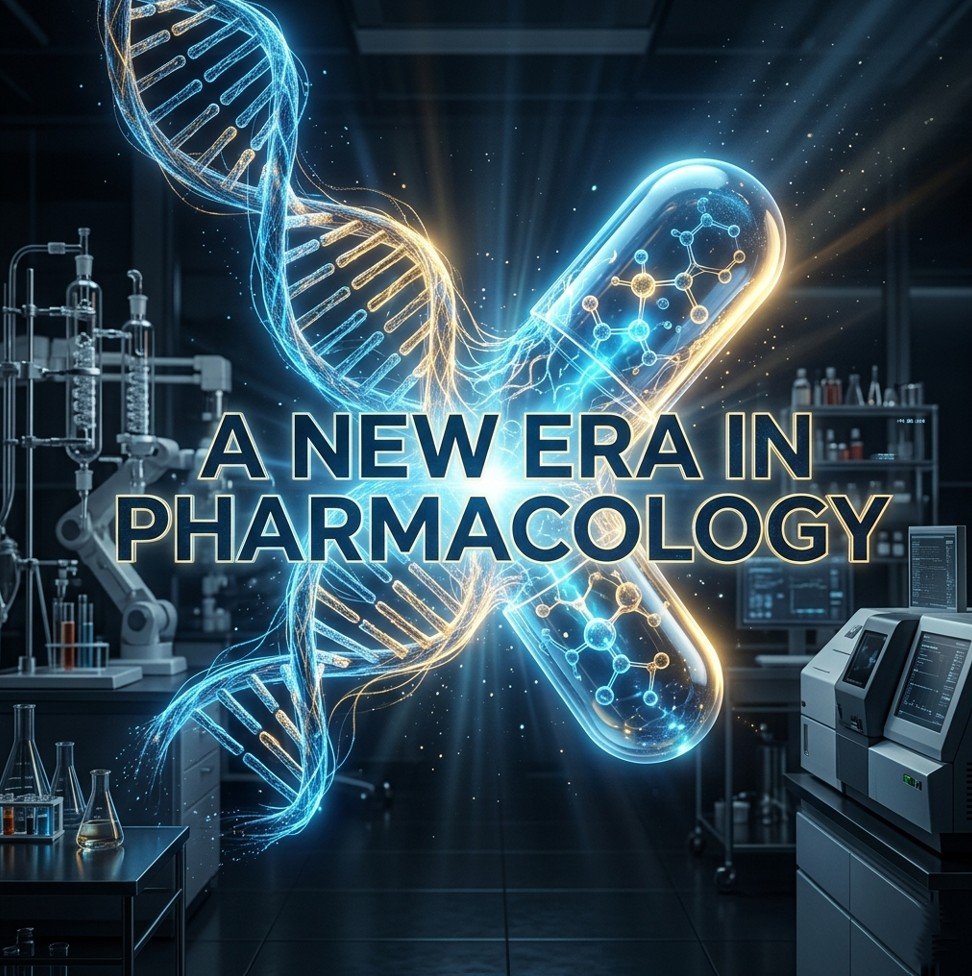
In an unprecedented week for global science, a cascade of stunning clinical trial successes in oncology, sepsis, and osteoarthritis is fundamentally rewriting the future of pharmacology and patient care.
The Sepsis Code Finally Cracked
The April 2026 medical breakthroughs represent a watershed moment for critical care, beginning with a monumental victory against one of the deadliest conditions in hospitals worldwide: sepsis. Sepsis occurs when the body’s immune system severely overreacts to an infection, leading to rapid tissue damage, multiple organ failure, and frequently death. Historically, doctors have only been able to manage the symptoms while fighting the underlying infection with broad-spectrum antibiotics. However, the recent Phase II clinical trial results of a novel drug named STC3141 have completely altered this grim landscape.
Developed by Australia’s Griffith University in partnership with Grand Pharmaceutical Group, STC3141 is a first-in-class, carbohydrate-based molecule designed to neutralize harmful biological molecules called histones, which flood the bloodstream during a septic episode. Importantly, the multi-center trial involved 180 critically ill patients and successfully met its primary endpoints. The data revealed that STC3141 does not merely manage symptoms; it actively reverses organ damage by calming the lethal immune storm.
Furthermore, Professor Mark von Itzstein, a leading researcher on the project, confirmed that patients receiving the intravenous infusion showed significantly lowered Sequential Organ Failure Assessment (SOFA) scores within seven days. Consequently, Grand Pharma is accelerating plans for a massive Phase III trial. Because there has never been a specific, targeted anti-sepsis therapy on the market, this achievement stands as one of the most vital April 2026 medical breakthroughs, potentially poised to save millions of lives annually and drastically reduce the immense financial burden on global intensive care units.
LEVI-04: Defeating Osteoarthritis Pain
Meanwhile, the management of chronic, debilitating pain is experiencing its own scientific renaissance. Specifically, osteoarthritis of the knee affects hundreds of millions of aging individuals globally, effectively destroying their mobility and quality of life. For decades, treatments have been limited to standard painkillers, temporary steroid injections, or invasive joint replacement surgeries. Therefore, the March 30 publication of Levicept’s LEVI-04 trial results in The Lancet has sent shockwaves through the orthopedic and rheumatology communities.
LEVI-04 is a pioneering biological agent designed to modulate the neurotrophin system, which is directly responsible for transmitting pain signals from damaged joints. The Phase II international, double-blind study enrolled 518 participants suffering from moderate to severe knee osteoarthritis. The findings were nothing short of spectacular. Notably, patients receiving LEVI-04 demonstrated massive, statistically significant reductions in WOMAC pain scores across all tested doses compared to the placebo group.
More specifically, over 50% of the treated patients reported a 50% reduction in their daily pain, while more than a quarter achieved a staggering 75% pain reduction. Furthermore, patients experienced marked improvements in joint stiffness and overall physical function. Simon Westbrook, Founder and Chief Scientific Officer of Levicept, emphasized that LEVI-04 is uniquely positioned because it not only provides profound analgesia but also exhibits the potential for actual disease modification. By potentially halting the degradation of the joint itself, LEVI-04 transcends traditional symptom management. As a result, it easily ranks among the most impactful April 2026 medical breakthroughs, offering a genuine lifeline to an aging global population desperate for non-surgical interventions.
Oncology’s New Champion: SHR-A1811
In addition to conquering critical care and degenerative diseases, the oncology sector has witnessed a seismic technological shift this week. The development of Antibody-Drug Conjugates (ADCs)—which act as “guided missiles” delivering toxic chemotherapy directly to cancer cells while sparing healthy tissue—has been rapidly advancing. However, the latest data regarding a novel Chinese HER2-targeting ADC, known as SHR-A1811, establishes a new gold standard in breast cancer therapy.
Published recently with a massive dataset of 396 heavily pretreated patients, SHR-A1811 has demonstrated an astonishing median progression-free survival (PFS) of 25.0 months in patients with HER2-positive breast cancer. This metric is extraordinary, especially considering that these patients had already exhausted multiple prior lines of therapy. Furthermore, for patients with brain metastases—a notoriously difficult complication to treat—the drug achieved a PFS of 14.1 months, proving its ability to effectively cross the blood-brain barrier.
Crucially, SHR-A1811 is challenging existing market leaders like Enhertu not just in raw efficacy, but in patient safety. Interstitial lung disease (ILD) is a severe, sometimes fatal side effect commonly associated with modern ADCs. Importantly, the data revealed that any-grade ILD occurred in only 2.5% of patients treated with SHR-A1811, a significantly lower rate than historically seen with its competitors. Consequently, this remarkable balance of high tumor-shrinking power and a highly favorable safety profile makes SHR-A1811 a formidable new weapon in the global fight against metastatic breast and gastric cancers. It is a prime example of how April 2026 medical breakthroughs are aggressively pushing the boundaries of precision oncology.
Editor’s Conclusions
As an observer of global biopharmaceutical trends for over two decades, I must emphasize that the sheer velocity and structural importance of these April 2026 medical breakthroughs cannot be overstated. We are not merely seeing incremental improvements in legacy drugs; we are witnessing a fundamental paradigm shift from disease management to disease reversal. Ultimately, this week’s clinical triumphs will echo far beyond the confines of medical journals, directly impacting global economics, geopolitical biotech supremacy, and the very definition of human longevity.
First, we must deeply analyze the macroeconomic implications of these therapies. Sepsis alone costs the global healthcare infrastructure tens of billions of dollars annually, occupying critical ICU beds and requiring massive resource mobilization. If Grand Pharma’s STC3141 achieves similar success in Phase III trials, the immediate reduction in intensive care duration will free up unprecedented capital and space within national health services. Similarly, Levicept’s LEVI-04 has the potential to restore massive economic productivity. Osteoarthritis forces millions of skilled, experienced workers into early retirement due to chronic pain. By restoring mobility without the need for invasive knee replacements, LEVI-04 effectively extends the active working lifespan of the global population, providing a crucial economic buffer for nations grappling with demographic collapse and aging workforces.
Furthermore, we are witnessing a profound geopolitical realignment in the pharmaceutical landscape. Historically, the United States and Western Europe have held an uncontested monopoly on cutting-edge oncology innovation. However, the spectacular data emerging from China’s SHR-A1811 proves that this unipolar dominance is definitively over. Chinese biotechnology firms are no longer just producing generic biosimilars; they are actively developing superior, first-in-class Antibody-Drug Conjugates that out-compete Western legacy therapies in both efficacy and safety. Consequently, Western regulatory bodies like the FDA and the EMA will face immense political and ethical pressure to fast-track these foreign therapeutics. Blocking or delaying a drug that offers 25 months of progression-free survival for metastatic breast cancer in the name of geopolitical protectionism will be deeply unacceptable to the public.
Moreover, this week underscores a broader philosophical shift in modern medicine: the pursuit of the “healthspan.” We are moving past the era of simply keeping chronically ill patients alive for a few extra months. Whether it is neutralizing histones to stop acute organ failure, modulating neurotrophins to eliminate chronic pain, or deploying molecular guided missiles to safely eradicate tumors, science is now focused on restoring high-quality, pain-free biological function.
Therefore, governments, insurance providers, and healthcare investors must aggressively adapt to this new reality. The institutions that swiftly integrate these breakthrough therapies into their standard of care will see profound societal dividends, while those hampered by bureaucratic inertia will fall tragically behind. The scientific leaps of April 2026 have successfully charted the course; it is now up to global health policymakers to ensure these modern miracles reach the patients who desperately need them.
Executive Summary
- Sepsis Survival Revolution: The novel drug STC3141 successfully passed Phase II trials, neutralizing histones to actively reverse organ damage rather than merely treating the symptoms of sepsis.
- Defeating Chronic Pain: Published in The Lancet, Levicept’s LEVI-04 reduced severe osteoarthritis pain by up to 75% in clinical trials, offering a non-surgical lifeline with disease-modifying potential.
- A New Standard in Oncology: The Chinese-developed ADC SHR-A1811 demonstrated an incredible 25-month progression-free survival in heavily pretreated HER2-positive breast cancer patients, boasting a superior safety profile.
Sources
- ScienceDaily: Breakthrough sepsis drug shows promise in human trial — A highly credible scientific aggregator detailing Griffith University’s successful Phase II trial for STC3141.
- Levicept Announces The Lancet Publication of LEVI-04 — An official corporate release providing verified trial metrics from the peer-reviewed Lancet publication regarding osteoarthritis pain reduction.
- Nature: SHR-A1811 novel HER2-targeting antibody-drug conjugate — A top-tier, peer-reviewed medical journal offering extensive clinical data on the efficacy and safety of the new breast cancer ADC.



1 thought on “A New Era in Pharmacology: The Medical Miracles Reshaping Global Health”