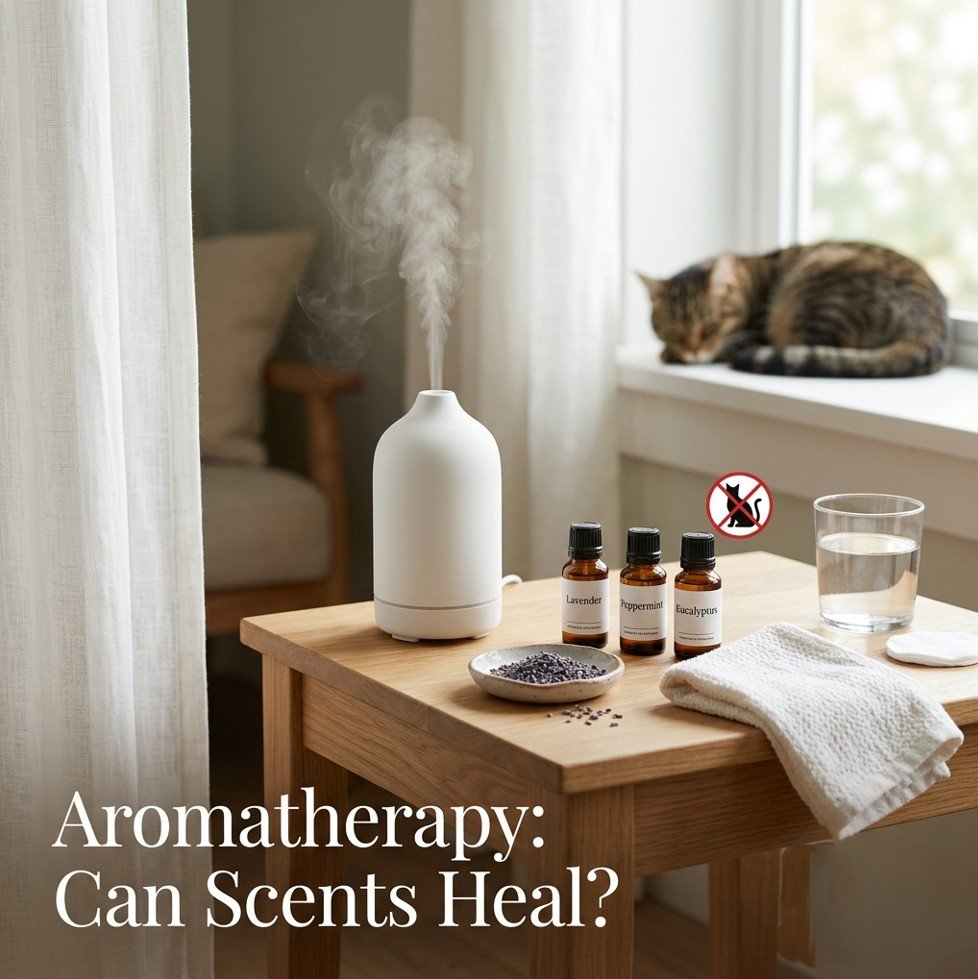
Aromatherapy, also known as essential oil therapy, is the practice of using volatile plant extracts (essential oils) to promote physical and psychological well-being. The term was coined by French chemist René-Maurice Gattefossé in the early 20th century after he famously used lavender oil to treat a burn on his hand. However, the use of aromatic plants for healing dates back thousands of years to ancient Egypt, China, India, and Greece.
Today, aromatherapy is a multi-billion dollar industry, with essential oils diffused in homes, used in massage therapy, added to bathwater, and even ingested (though ingestion is strongly discouraged). Proponents claim that aromatherapy can reduce anxiety, alleviate pain, improve sleep, boost immunity, and treat a wide range of conditions. But what does the scientific evidence actually say?
This article provides a clear-eyed, evidence-informed overview of aromatherapy: how it is proposed to work, what conditions have the strongest research support, where the evidence is weak, and — most importantly — how to use essential oils safely.
What Is Aromatherapy? Methods of Administration
Aromatherapy is not a single therapy but a category of practices involving essential oils. The three primary routes of administration are:
- Inhalation (most common): Essential oil molecules are inhaled through the nose or mouth, reaching the olfactory epithelium and then the brain. Methods include diffusion (ultrasonic or nebulizing diffusers), direct inhalation from a tissue or inhaler, steam inhalation, or simply smelling an open bottle.
- Topical application (diluted): Essential oils are diluted in a carrier oil (e.g., coconut, jojoba, almond oil) and applied to the skin, often combined with massage. The oil is absorbed through the skin into the bloodstream, though systemic levels are typically low.
- Oral ingestion (dangerous — not recommended): Some products are marketed for oral use (capsules, drops in water), but this is not recommended for consumers due to risks of mucosal burns, liver toxicity, and drug interactions. Only under the guidance of a trained clinical aromatherapist or physician should essential oils be ingested.
How Is Aromatherapy Proposed to Work?
Unlike the implausible “energy” claims of some alternative therapies, aromatherapy has several scientifically plausible mechanisms of action.
1. Olfactory Pathways and the Limbic System
When you inhale essential oil molecules, they bind to olfactory receptors in the nasal epithelium. These receptors send signals directly to the olfactory bulb, which projects to the amygdala, hippocampus, and hypothalamus — brain regions collectively known as the limbic system. The limbic system is involved in emotion, memory, stress response, and autonomic nervous system regulation. This provides a direct anatomical pathway for scents to influence mood, heart rate, blood pressure, and stress hormone levels.
2. Pharmacological Effects of Absorbed Compounds
When essential oils are inhaled or applied topically, their volatile compounds enter the bloodstream. Some of these compounds (e.g., linalool in lavender, menthol in peppermint) have demonstrated pharmacological activity in laboratory studies, including:
- GABAergic effects: Linalool and other compounds may enhance GABA receptor activity, producing calming effects similar to mild sedatives.
- Anti-inflammatory effects: Many essential oil components reduce pro-inflammatory cytokines (e.g., TNF-α, IL-6, IL-1β) in vitro and in animal models.
- Antimicrobial effects: Some oils (tea tree, eucalyptus, thyme) have demonstrated antibacterial, antiviral, and antifungal activity in laboratory studies, though clinical relevance for systemic infections is limited.
3. Placebo and Expectation Effects
As with all complementary therapies, expectation and the therapeutic encounter play a significant role. The act of taking time to inhale a pleasant scent, the ritual of preparing a diffuser, and the belief that it will help all contribute to real physiological changes (the placebo effect). However, studies that compare true aromatherapy to sham (odorless) controls or to a different scent not claimed to be therapeutic help isolate specific effects.
What the Evidence Says: Conditions with Strongest Support
The evidence base for aromatherapy is variable. Some conditions have multiple systematic reviews and meta-analyses; others rely on small, low-quality studies.
1. Anxiety (Strongest Evidence)
Anxiety is the most researched indication for aromatherapy. A 2024 systematic review and meta-analysis of 48 randomized controlled trials (over 4,000 participants) found that aromatherapy significantly reduced anxiety compared to placebo or no treatment, with a moderate effect size (SMD = -0.63, 95% CI: -0.81 to -0.45). The effect was strongest for lavender oil, followed by chamomile and bergamot.
- Procedural anxiety: Multiple studies have shown that lavender inhalation reduces anxiety before dental procedures, surgery, and medical imaging (e.g., MRI). A 2023 meta-analysis of 15 trials found that preoperative aromatherapy significantly reduced state anxiety (SMD = -0.78) and improved patient satisfaction.
- Generalized anxiety: Smaller studies suggest that regular aromatherapy (e.g., daily diffusion) may reduce symptoms of generalized anxiety disorder, though evidence is less robust than for situational anxiety.
For a detailed review of specific essential oils for anxiety, see Article 17 in this series.
2. Pain (Moderate Evidence)
Aromatherapy has been studied for several types of pain, with the strongest evidence for postoperative and menstrual pain.
- Postoperative pain: A 2024 meta-analysis of 22 RCTs (1,800 patients) found that aromatherapy (primarily lavender, peppermint, and rose) significantly reduced postoperative pain intensity (SMD = -0.78) and decreased the need for rescue analgesics compared to placebo. The effect was most pronounced in the first 24 hours after surgery.
- Menstrual pain (dysmenorrhea): A 2023 systematic review of 12 RCTs (1,100 women) found that aromatherapy massage with lavender, clary sage, or rose oil significantly reduced menstrual pain intensity (SMD = -1.12) compared to placebo massage or no treatment. The effect was comparable to over-the-counter NSAIDs in some studies.
- Chronic pain (back, osteoarthritis, fibromyalgia): Evidence is weaker and mixed. A 2022 systematic review found small, inconsistent benefits for chronic low back pain and knee osteoarthritis, with high risk of bias in most studies. Aromatherapy is not a substitute for evidence-based chronic pain management.
3. Nausea and Vomiting (Moderate Evidence)
- Postoperative nausea: A 2023 meta-analysis of 18 RCTs (1,400 patients) found that inhaled peppermint oil significantly reduced postoperative nausea (RR = 0.64) compared to placebo, with effects similar to antiemetic drugs in some studies.
- Pregnancy-related nausea (morning sickness): A 2022 systematic review of 8 RCTs found that inhaled peppermint or lemon oil significantly reduced nausea severity in early pregnancy (SMD = -0.71). However, safety data in pregnancy are limited; consult an obstetrician before use.
- Chemotherapy-induced nausea: Evidence is insufficient; small studies show mixed results.
4. Sleep Quality (Moderate Evidence)
A 2024 systematic review and meta-analysis of 19 RCTs (1,600 participants) found that aromatherapy (primarily lavender) significantly improved subjective sleep quality (SMD = -0.71) and reduced sleep latency (time to fall asleep) by an average of 12 minutes compared to placebo. The effect was strongest in older adults and hospitalized patients.
For more on sleep-promoting herbs and teas, see Article 14 (herbal teas) and Article 17 (essential oils).
5. Cognitive Function (Limited Evidence)
Some small studies suggest that rosemary and peppermint oils may improve alertness, memory, and cognitive performance in healthy adults. A 2021 systematic review of 10 RCTs found modest improvements in speed of processing and subjective alertness, but not in working memory or executive function. The evidence is preliminary and not clinically meaningful for most people.
Conditions with Weak or Insufficient Evidence
- Respiratory infections (colds, sinusitis): While some essential oils (eucalyptus, tea tree, thyme) have antimicrobial properties in laboratory studies, there is no high-quality evidence that aromatherapy prevents or treats respiratory infections. Steam inhalation with eucalyptus may provide subjective relief of congestion (see Article 9), but this is not unique to aromatherapy.
- Immunity “boosting”: No evidence that aromatherapy significantly affects immune function in healthy individuals.
- Hypertension: Small studies show transient blood pressure reductions during lavender inhalation, but no evidence of sustained benefit.
- Dementia: Some studies suggest aromatherapy may reduce agitation in Alzheimer’s patients, but the evidence is weak and inconsistent.
- Cancer treatment: Aromatherapy is not a treatment for cancer. It may help manage symptoms (anxiety, nausea) as a complementary therapy, but it should never replace conventional oncology care.
Practical Applications: How to Use Aromatherapy Safely
Inhalation (Safest Method)
- Diffuser: Add 3–6 drops of essential oil per 100 ml of water. Diffuse for 30–60 minutes at a time, with breaks. Do not diffuse continuously for hours.
- Direct inhalation: Place 1–2 drops on a tissue, cotton ball, or personal inhaler. Hold near (not touching) nose and inhale deeply 2–3 times.
- Steam inhalation: Add 2–3 drops to a bowl of hot water, lean over with a towel draped over your head, and inhale for 5–10 minutes. Keep eyes closed and face at least 30 cm from water to avoid burns.
Topical Application (Diluted)
- Carrier oil dilution: Mix 2–3 drops of essential oil with 1 teaspoon (5 ml) of carrier oil (coconut, jojoba, sweet almond, olive oil). This yields approximately a 2–3% dilution, which is safe for most adults.
- Massage: Apply diluted oil to the skin with gentle massage. Avoid eyes, mucous membranes, and broken skin.
- Bath: Mix 5–10 drops of essential oil with 1 tablespoon of carrier oil or full-fat milk (to help dispersion) before adding to warm bathwater. Do not add undiluted oil directly to bathwater — it can irritate skin.
What to Avoid
- Ingestion: Never ingest essential oils unless under the direct supervision of a trained clinical aromatherapist or physician. Ingesting even a few drops can cause burns to the mouth, esophagus, and stomach, and can lead to liver toxicity, seizures, and death.
- Undiluted skin application: Can cause chemical burns, severe irritation, and allergic sensitization.
- Contact with eyes or mucous membranes: If oil gets in eyes, rinse with milk or vegetable oil (not water — water spreads oil). Seek medical attention if irritation persists.
- Prolonged or continuous diffusion: May cause headaches, nausea, or respiratory irritation in some individuals.
Safety, Risks, and Who Should Avoid Aromatherapy
General Safety
When used appropriately (inhalation or diluted topical application), aromatherapy is generally safe for most healthy adults. However, essential oils are potent chemicals and must be treated with respect.
Common Adverse Effects
- Skin irritation: Redness, itching, or burning at the application site (usually due to insufficient dilution or use of a known irritant oil).
- Respiratory irritation: Strong scents can trigger coughing, wheezing, or shortness of breath, especially in people with asthma or allergies.
- Headache or nausea: Some individuals are sensitive to specific oils; discontinue use if symptoms develop.
Serious Risks (Rare but Important)
- Toxicity in pets (especially cats): Cats lack the liver enzyme (glucuronyl transferase) needed to metabolize many essential oil compounds, particularly phenols (found in tea tree, peppermint, eucalyptus, clove, thyme, oregano, and wintergreen). Diffusing these oils in a room where cats have access can cause liver failure, seizures, and death. Do not diffuse essential oils in enclosed spaces with cats. Keep all oils locked away. Dogs are less sensitive but still at risk, especially with tea tree oil.
- Photosensitivity (phototoxicity): Citrus oils (bergamot, lemon, lime, grapefruit, orange) contain furanocoumarins that make skin highly sensitive to UV light. Do not apply citrus oils to skin before sun exposure or tanning — can cause severe burns and hyperpigmentation. Use “bergapten-free” (FCF) bergamot for topical use.
- Respiratory distress in infants: Do not diffuse essential oils in the room of an infant under 6 months. For older infants and young children, diffuse only in well-ventilated rooms for short periods (15–30 minutes) and avoid strong oils (eucalyptus, peppermint, tea tree) which can cause respiratory distress.
- Liver toxicity: Ingesting essential oils or applying very high doses to skin over large areas can cause liver damage. Case reports document hepatotoxicity from chronic oral use of peppermint oil and other oils.
Who Should Avoid Aromatherapy
- Infants under 6 months: Do not use any essential oils (diffusion or topical) due to risk of respiratory distress and immature liver metabolism.
- Children under 6 years: Use extreme caution. Diffuse only in well-ventilated rooms for short periods (15–30 minutes). Avoid topical use except in very low dilutions (0.5–1%) and only with child-safe oils (lavender, chamomile). Avoid eucalyptus, peppermint, tea tree, and wintergreen oils entirely.
- Pregnant and breastfeeding women: Avoid most essential oils, especially in the first trimester. Lavender and chamomile (diffused) are likely safe in small amounts, but consult an obstetrician before any use. Avoid clary sage, sage, rosemary, thyme, basil, and jasmine (may stimulate uterine contractions).
- People with asthma or severe allergies: Test with caution. Strong scents can trigger bronchospasm. Start with a single drop on a tissue at arm’s length; if no reaction, proceed with caution.
- People with epilepsy: Some essential oils (eucalyptus, rosemary, fennel, hyssop) may lower seizure threshold. Avoid unless under professional guidance.
- People taking certain medications: Essential oils can interact with medications metabolized by the liver (CYP450 enzymes). If you take multiple medications, consult a doctor or pharmacist.
Comparison with Conventional Treatments
| Aspect | Aromatherapy | Benzodiazepines (anxiety) | NSAIDs (pain) |
|---|---|---|---|
| Mechanism | Olfactory + mild pharmacological | GABA potentiation | COX inhibition |
| Onset of action | 5–30 minutes (inhalation) | 30–60 minutes | 30–60 minutes |
| Efficacy (anxiety) | Moderate (SMD -0.63) | Large | N/A |
| Efficacy (pain) | Small to moderate (postoperative, menstrual) | N/A | Moderate to large |
| Dependence risk | Very low | High | Low |
| Side effects | Mild (irritation, headache) | Sedation, memory loss, falls | GI bleeding, kidney damage |
| Safety in overdose | Very high (inhalation) | Moderate (respiratory depression with alcohol) | Moderate (liver/kidney damage) |
Aromatherapy is not a substitute for conventional medical treatment for moderate to severe anxiety, pain, or other conditions. It is best used as a complementary approach — alongside, not instead of — evidence-based care.
FAQ
Q1: Is aromatherapy scientifically proven to work?
For some conditions — particularly situational anxiety, postoperative pain, menstrual pain, and sleep quality — multiple systematic reviews and meta-analyses show small to moderate effects superior to placebo. For other conditions (chronic pain, cognitive enhancement, immunity), evidence is weak or insufficient. The effects are generally modest, and the quality of evidence varies.
Q2: Can I put essential oils directly on my skin?
No. Undiluted essential oils can cause chemical burns, severe irritation, and allergic sensitization. Always dilute essential oils in a carrier oil (2–3 drops per teaspoon of carrier oil for adults).
Q3: Is it safe to ingest essential oils?
No. Ingesting essential oils is dangerous and can cause burns to the mouth, esophagus, and stomach, liver toxicity, seizures, and death. Only ingest essential oils under the direct supervision of a trained clinical aromatherapist or physician.
Q4: Are essential oils safe to diffuse around pets?
No for cats. Cats lack the liver enzyme to metabolize many essential oil compounds, particularly phenols (found in tea tree, peppermint, eucalyptus, clove, thyme, oregano, wintergreen). Diffusing these oils can cause liver failure, seizures, and death. Keep cats out of any room where essential oils are diffused, and store oils locked away. Dogs are less sensitive but still at risk, especially with tea tree oil.
Q5: What is the best essential oil for anxiety?
Lavender has the strongest evidence, with multiple meta-analyses showing moderate anxiety reduction. Bergamot, chamomile, and ylang-ylang have weaker evidence. Individual responses vary; try a few different oils to see which works best for you.
Q6: Can aromatherapy replace my anxiety medication?
No. Aromatherapy is not a substitute for evidence-based treatments for moderate to severe anxiety disorders, panic disorder, or clinical depression. If you are prescribed medication, continue taking it as directed. Aromatherapy may be used as a complementary tool, but do not stop or reduce prescribed medications without consulting your doctor.
Key Takeaways
- Aromatherapy has plausible mechanisms: olfactory pathways to the limbic system and mild pharmacological effects of absorbed compounds (e.g., linalool).
- The strongest evidence supports aromatherapy for situational anxiety (especially lavender), postoperative and menstrual pain, and improving sleep quality. Effect sizes are small to moderate.
- Evidence is weak or insufficient for chronic pain, cognitive enhancement, immunity, hypertension, and respiratory infections.
- Critical safety warnings: Never ingest essential oils. Never apply undiluted to skin. Use extreme caution around cats (many oils are toxic and can be fatal). Avoid in infants, young children, and pregnancy (first trimester) unless under professional guidance.
- Aromatherapy is a complementary therapy, not a substitute for conventional medical treatment for serious conditions. Always inform your healthcare providers about any essential oils you use.
- If you choose to use aromatherapy, use high-quality oils from reputable sources, dilute properly for topical use, diffuse in well-ventilated rooms, and discontinue if you experience adverse effects.
Internal Links Used
- Essential oils that relieve stress and anxiety — in the anxiety section (Article 17)
- How to treat sinus infections naturally at home — in the respiratory infections section (Article 9)
- Herbal teas that help you sleep better — in the sleep section (Article 14)
- Natural remedies for anxiety without medication — in the anxiety comparison
- Essential oils that relieve stress and anxiety – in the anxiety section (already there)
Add: Natural remedies for anxiety without medication – in the comparison section - Reiki healing: spiritual practice or medical treatment? – in the relaxation section
- How to treat sinus infections naturally at home – in the respiratory section
Sources
- Farrar, A. J., & Farrar, F. C. (2020). “Clinical Aromatherapy.” Nursing Clinics of North America.
- Hosseini, S. A., et al. (2024). “The effect of aromatherapy on anxiety: A systematic review and meta-analysis of randomized controlled trials.” Complementary Therapies in Medicine.
- Li, Y., et al. (2024). “Aromatherapy for postoperative pain: A meta-analysis of randomized controlled trials.” Pain Management Nursing.
- Sadeghi, F., et al. (2023). “Aromatherapy for dysmenorrhea: A systematic review and meta-analysis.” Journal of Obstetrics and Gynaecology.
- Zhang, N., et al. (2024). “Aromatherapy for sleep quality: A systematic review and meta-analysis.” Sleep Medicine Reviews.
- Ghorbani, F., et al. (2023). “Peppermint oil for postoperative nausea: A meta-analysis.” Journal of Perianesthesia Nursing.
- Koulivand, P. H., et al. (2013). “Lavender and the nervous system.” Evidence-Based Complementary and Alternative Medicine.
- Tisserand, R., & Young, R. (2014). Essential Oil Safety (2nd ed.). Churchill Livingstone.
- National Center for Complementary and Integrative Health (NCCIH). “Aromatherapy.”
- American Society for the Prevention of Cruelty to Animals (ASPCA). “Essential Oils and Cats.”