
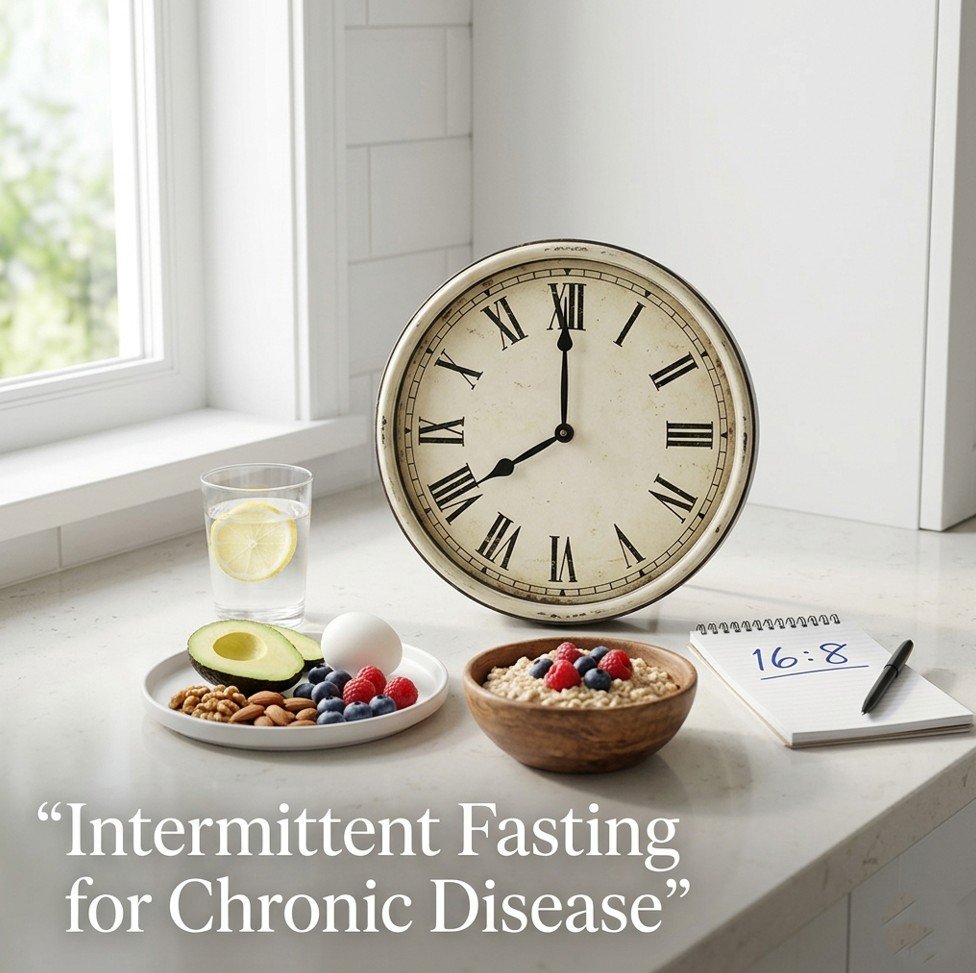
Intermittent fasting is not a diet in the conventional sense — it is an eating pattern that cycles between periods of eating and periods of fasting. Unlike traditional diets that focus on what you eat, IF focuses on when you eat. Popular protocols include:
- Time-restricted eating (TRE): Eating all calories within a daily window (e.g., 8 hours), followed by a fasting period (e.g., 16 hours).
- Alternate-day fasting (ADF): Alternating between days of normal eating and days of severe calorie restriction (typically 500–600 calories).
- The 5:2 diet: Eating normally for five days per week and restricting calories to 500–600 for two non-consecutive days.
IF has deep roots in human history — many religious and cultural traditions incorporate fasting for spiritual purposes. However, modern scientific interest in IF as a therapeutic tool has surged, driven by preclinical studies showing benefits for metabolic health, cellular repair processes, and longevity.
This article reviews the best-available evidence for intermittent fasting as an adjunctive therapy for chronic diseases, with a clear-eyed assessment of what works, what does not, and where the evidence remains insufficient.
Proposed Mechanisms: How Intermittent Fasting May Work
Unlike continuous calorie restriction, IF appears to trigger distinct physiological processes that may confer health benefits independent of weight loss alone.
- Metabolic switching: During fasting, the body depletes glycogen stores and shifts to fat oxidation, producing ketone bodies. Ketones serve as an alternative fuel source for the brain and may have neuroprotective effects.
- Autophagy: Fasting activates autophagy — a cellular “cleanup” process that removes damaged proteins and organelles. Autophagy is thought to play a role in cellular repair, aging, and protection against neurodegenerative diseases.
- Reduced inflammation: Several systematic reviews have found that IF reduces inflammatory biomarkers, including C-reactive protein (CRP), tumor necrosis factor-alpha (TNF-α), and interleukin-6 (IL-6) in individuals with overweight or obesity.
- Improved insulin sensitivity: IF may enhance insulin sensitivity through reduced oxidative stress and altered adipokine profiles, independent of weight loss.
Evidence for Chronic Diseases
1. Obesity and Metabolic Syndrome
Obesity affects over 1.53 billion adults worldwide, and metabolic syndrome — a cluster of conditions including abdominal obesity, insulin resistance, dyslipidemia, and hypertension — is a major risk factor for cardiovascular disease and type 2 diabetes.
What the evidence says: A 2025 systematic review and meta-analysis of 15 randomized controlled trials (758 participants) found that intermittent fasting significantly reduced body weight (mean difference -3.73 kg) and body mass index (-1.04 kg/m²) in overweight and obese adults. IF also improved lipid profiles, including total cholesterol (-6.31 mg/dL) and LDL cholesterol (-5.44 mg/dL). A 2025 network meta-analysis of 56 studies found that modified alternate-day fasting was the most effective IF protocol for weight loss (-5.18 kg) and waist circumference reduction (-3.55 cm), with high certainty of evidence.
For metabolic syndrome specifically, a 2025 meta-analysis of 10 studies (701 individuals) found that IF significantly reduced fasting blood sugar (SMD = -0.51), insulin (SMD = -0.27), HOMA-IR (SMD = -0.39), HbA1c (SMD = -0.25), and LDL cholesterol (SMD = -0.34), with high-quality GRADE evidence. IL-6, a key inflammatory marker, was also significantly reduced (SMD = -0.30).
Bottom line: Strong evidence supports intermittent fasting for weight loss and improvement of metabolic risk factors, particularly in individuals with overweight, obesity, or metabolic syndrome. Modified alternate-day fasting appears most effective.
2. Type 2 Diabetes
Type 2 diabetes affects more than 800 million individuals worldwide, and lifestyle interventions are a cornerstone of management.
What the evidence says: A 2025 systematic review and meta-analysis of 12 studies (1,441 participants) found that IF improved glycemic control in both oral hypoglycemic agent users and insulin-treated patients. HbA1c reductions were 0.54% in OHA users and 2.8% in insulin users. A pooled analysis of four trials found a significant reduction in HbA1c of -1.85% (95% CI: -2.86 to -0.84). A separate meta-analysis of 17 studies (1,169 participants) confirmed that IF significantly improves glycemic control (SMD: 0.84, p < 0.001), with greater benefits in individuals with obesity and those with high adherence. Time-restricted eating yielded the largest effect sizes.
Important caveat: The metabolic benefits of IF may be transient. A 2024 meta-analysis found that while IF effectively manages blood sugar and reduces body weight during the intervention period, these metabolic benefits disappear after discontinuation. IF is a lifestyle intervention, not a “cure” for diabetes.
Safety warning: In insulin-treated patients, IF carries a significant risk of hypoglycemia (dangerously low blood sugar). This requires careful medication adjustment under medical supervision. Do not attempt IF if you take insulin or sulfonylureas without consulting your doctor.
Bottom line: IF is an effective adjunctive strategy for improving glycemic control in type 2 diabetes, particularly in individuals with obesity. However, it requires medical supervision in insulin-treated patients, and benefits are not sustained after stopping.
3. Cardiovascular Disease
Cardiovascular disease is the leading cause of death worldwide. Modifiable risk factors include hypertension, dyslipidemia, obesity, and hyperglycemia.
What the evidence says: A 2025 network meta-analysis of 56 studies (moderate-to-long-term trials) found that modified alternate-day fasting was most effective for reducing body weight (-5.18 kg), waist circumference (-3.55 cm), systolic blood pressure (-7.24 mmHg), and diastolic blood pressure (-4.70 mmHg), all with high certainty of evidence. Time-restricted eating was most effective for reducing fat-free mass (-0.82 kg), waist circumference (-3.00 cm), diastolic blood pressure (-3.24 mmHg), and fasting plasma glucose (-3.74 mg/dL).
A 2025 systematic review and meta-analysis in the BMJ (99 trials, 6,582 participants) found that all intermittent fasting and continuous energy restriction strategies reduced body weight compared to ad-libitum (unrestricted) diets. Alternate-day fasting showed a modest benefit over continuous energy restriction for weight loss (-1.29 kg, moderate certainty).
Bottom line: IF — particularly modified alternate-day fasting and time-restricted eating — appears to be a promising approach for reducing multiple cardiovascular risk factors. However, further long-term trials are needed to confirm efficacy and assess safety over time.
4. Non-Alcoholic Fatty Liver Disease
NAFLD affects approximately 25–30% of adults globally and is strongly associated with obesity, insulin resistance, and metabolic syndrome.
What the evidence says: A 2025 meta-analysis of time-restricted eating in overweight and obese adults found large effect sizes for weight reduction (ES: -1.40) and waist circumference (ES: -0.75), with a moderate effect on HOMA-IR (ES: -0.29). However, effects on plasma lipids, fasting glucose, and fasting insulin were inconclusive. An updated systematic review and meta-analysis specifically on IF and NAFLD (presented at the American College of Gastroenterology) found that IF significantly reduced hepatic fat and improved liver-related biomarkers in adults with NAFLD.
Bottom line: Preliminary evidence suggests IF may reduce hepatic fat and improve metabolic parameters in NAFLD, largely through weight loss. However, more high-quality, long-term studies are needed.
5. Neurodegenerative Diseases (Alzheimer’s, Parkinson’s)
Alzheimer’s disease and other neurodegenerative disorders represent a growing global health crisis, with no disease-modifying treatments currently available.
What the evidence says: Preclinical studies demonstrate that IF enhances hippocampal neurogenesis and synaptic plasticity through pathways involving BDNF and CREB. IF also reduces neuroinflammation in animal models of Alzheimer’s disease, vascular cognitive impairment, and high-fat diet-induced cognitive impairment. Human studies, though limited, suggest that regular IF may improve cognitive function and reduce markers of oxidative stress and inflammation in individuals with mild cognitive impairment.
Important caveat: The evidence for IF in neurodegenerative diseases is almost entirely preclinical. High-quality human trials are lacking, and the effects of IF on already-established cognitive decline remain unknown.
Bottom line: IF is a promising preclinical strategy for neuroprotection, but there is insufficient evidence to recommend it as a treatment for established neurodegenerative disease. Human trials are urgently needed.
6. Cancer
Cancer is the leading cause of death worldwide, and there is growing interest in dietary interventions as adjunctive strategies.
What the evidence says: A 2024 systematic review of time-restricted eating in people with cancer found that TRE is feasible and acceptable (adherence rates 67–98%), improves quality of life, and may have oncological benefits. Four studies assessed cancer markers and found reductions in carcinoembryonic antigen (a tumor marker), reduced rates of recurrence, and sustained major molecular response following TRE. Five studies demonstrated modified cancer risk factors, including beneficial effects on BMI, adiposity, glucoregulation, and inflammation in as short a period as 8 weeks.
Important caveat: Most evidence comes from preclinical studies and small human trials. No high-quality evidence suggests that IF alone can treat or cure cancer. IF should never replace conventional cancer therapies (chemotherapy, radiation, surgery).
Bottom line: IF is a promising adjunctive strategy that may improve quality of life and metabolic health in cancer patients undergoing treatment. However, it is not a cancer treatment, and patients should always consult their oncologist before starting any fasting regimen.
Safety, Adverse Events, and Who Should Avoid IF
Common Adverse Events
Intermittent fasting is generally safe for healthy adults, but common side effects are well-documented. A 2024 meta-analysis of 15 RCTs (1,365 participants) found that IF was not associated with a greater risk of adverse events compared to control diets. However, numerically higher risks were noted for fatigue (14.5%), headache (13.5%), constipation (10.2%), dizziness (9.8%), and diarrhea (7.8%). These symptoms are typically transient and resolve after an adaptation period.
Serious Risks
- Hypoglycemia in insulin-treated diabetes: This is the most significant safety concern. Individuals taking insulin or sulfonylureas are at high risk of dangerous blood sugar drops during fasting periods. IF must only be undertaken with medical supervision and appropriate medication adjustment.
- Disordered eating: IF may be contraindicated in individuals with a history of eating disorders (anorexia nervosa, bulimia nervosa, binge eating disorder). The restriction-focused nature of IF could trigger or worsen disordered eating patterns.
- Nutrient deficiencies: Prolonged or poorly planned IF may lead to inadequate intake of essential nutrients, particularly if the eating window is very narrow (e.g., 4-hour TRE).
- Gallstones: Rapid weight loss from any dietary intervention, including IF, increases the risk of cholesterol gallstone formation.
- Electrolyte imbalances: Extended fasting without adequate fluid and electrolyte intake can lead to dehydration and electrolyte disturbances.
Who Should Avoid Intermittent Fasting
- Pregnant and breastfeeding women: IF may compromise nutrient delivery to the fetus or infant. Safety data are lacking.
- Children and adolescents: Growing bodies have higher caloric and nutrient needs; IF is not recommended.
- Individuals with a history of eating disorders.
- People with type 1 diabetes: Risk of hypoglycemia and diabetic ketoacidosis is high.
- People with type 2 diabetes on insulin or sulfonylureas (without medical supervision).
- Individuals with underweight or malnutrition.
- People with active cancer undergoing treatment (unless approved by an oncologist).
- Individuals with chronic kidney disease (risk of electrolyte imbalances).
- People taking medications that require food intake (e.g., certain blood pressure medications, anti-seizure drugs).
Comparison with Conventional Dietary Recommendations
| Aspect | Intermittent Fasting | Conventional Calorie Restriction (e.g., Mediterranean diet) |
|---|---|---|
| Focus | When you eat (timing) | What you eat (food quality) and how much (portion control) |
| Weight loss efficacy | Similar to calorie restriction; modest additional benefit for ADF | Well-established; modest effect size |
| Metabolic benefits | May offer unique benefits via metabolic switching, autophagy | Primarily mediated through weight loss and improved nutrient quality |
| Adherence | Mixed; some find it simpler than counting calories; others struggle with hunger | Moderate; flexible; supported by decades of evidence |
| Long-term safety data | Limited (most trials <12 months) | Extensive (decades of follow-up) |
| Suitability | Not suitable for many populations (pregnancy, diabetes, eating disorders, children) | Suitable for most populations |
| Evidence base | Growing; high-quality for obesity and diabetes; limited for other conditions | Very strong; gold-standard dietary recommendations |
Bottom line: IF is not superior to conventional calorie restriction for weight loss in most studies, and the benefits of IF for chronic diseases appear largely mediated through weight loss. However, some individuals may find IF easier to adhere to than traditional dieting, and the metabolic switching effects may offer additional benefits beyond calorie restriction alone.
How to Practice Intermittent Fasting Safely (Practical Guidance)
If you are considering intermittent fasting and have no contraindications, follow these guidelines:
Start Slowly
- Begin with a 12-hour overnight fast (e.g., 8 p.m. to 8 a.m.), which is essentially normal eating for most people.
- Gradually increase the fasting window to 14–16 hours over 2–4 weeks.
- If tolerating well, consider more advanced protocols (5:2 or ADF).
Stay Hydrated
- Drink water, unsweetened tea, or black coffee during fasting periods.
- Avoid caloric beverages (sugary drinks, milk, juice, broth).
Break the Fast Wisely
- Start with a balanced meal containing protein, healthy fats, and fiber.
- Avoid breaking a fast with high-sugar or highly processed foods, which can cause blood sugar spikes and digestive discomfort.
Monitor for Adverse Effects
- If you experience persistent headaches, dizziness, severe fatigue, or mood changes, adjust the protocol or discontinue.
- Keep a log of symptoms and discuss with your healthcare provider.
Do Not Restrict Calories Too Aggressively
- Even on fasting days (e.g., 5:2), ensure adequate nutrient intake (500–600 calories for women, 600–700 for men).
- Avoid very low-calorie diets without medical supervision.
Consult Your Doctor Before Starting
- Absolute requirement for: Diabetes (especially insulin-treated), history of eating disorders, pregnancy/breastfeeding, underweight, chronic kidney disease, active cancer.
- Discuss with your doctor for: Hypertension, heart disease, thyroid disorders, gastrointestinal conditions, medications requiring food.
FAQ
Q1: Is intermittent fasting better than conventional dieting for weight loss?
No. A 2025 Cochrane systematic review found that IF produces nearly identical weight loss, quality of life, and adverse events as conventional calorie-counting diets. The evidence suggests IF is neither clearly superior nor markedly harmful compared with other established dietary approaches for weight management. However, some individuals may find IF easier to adhere to.
Q2: Can intermittent fasting reverse type 2 diabetes?
No. IF can significantly improve glycemic control and reduce HbA1c, and some small studies have reported diabetes “remission” (normal blood sugar without medication). However, the metabolic benefits of IF largely disappear after discontinuation. IF is an adjunctive therapy, not a cure. Never stop diabetes medications to try IF without medical supervision.
Q3: Is it safe to exercise while fasting?
Yes, for most people. Light-to-moderate exercise (walking, yoga, light resistance training) is generally safe during fasting periods. High-intensity exercise may be better performed during eating windows to optimize performance and recovery. Listen to your body — if you feel dizzy or weak, break the fast with a small snack.
Q4: Will intermittent fasting cause muscle loss?
With adequate protein intake during eating windows and resistance exercise, IF does not cause disproportionate muscle loss compared to conventional calorie restriction. However, very low-calorie fasting protocols (e.g., prolonged water fasting) can lead to muscle catabolism. Ensure adequate protein (1.2–2.0 g/kg body weight) within your eating window.
Q5: Can I take medications while fasting?
Some medications must be taken with food to avoid gastric irritation or optimize absorption. Others (e.g., certain blood pressure drugs, diuretics) may increase the risk of dehydration or electrolyte imbalances during fasting. Always consult your doctor or pharmacist before starting IF if you take any prescription medications. Do not change medication timing or dosage without medical advice.
Q6: How long does it take to see results with intermittent fasting?
Weight loss typically becomes noticeable within 4–12 weeks. Improvements in metabolic markers (fasting glucose, insulin, lipids) may be seen within 4–8 weeks. However, individual results vary based on adherence, baseline health, and the specific IF protocol used. The benefits of IF are not sustained after discontinuation.
Key Takeaways
- Intermittent fasting — particularly time-restricted eating and modified alternate-day fasting — has strong evidence for weight loss and improvement of metabolic risk factors in individuals with overweight, obesity, or metabolic syndrome.
- IF is an effective adjunctive therapy for type 2 diabetes, improving glycemic control and reducing HbA1c, especially in individuals with obesity. However, benefits are not sustained after stopping, and IF carries a significant risk of hypoglycemia in insulin-treated patients.
- Modified alternate-day fasting and time-restricted eating are promising approaches for reducing multiple cardiovascular risk factors, but further long-term trials are needed.
- Preclinical evidence suggests IF may have neuroprotective effects, but high-quality human trials are lacking. IF is not a treatment for established Alzheimer’s disease.
- IF is feasible and acceptable for people with cancer as an adjunctive therapy, improving quality of life and metabolic health. It is not a cancer treatment and should never replace conventional oncology care.
- Common adverse events include fatigue, headache, constipation, and dizziness — typically transient. Serious risks include hypoglycemia (insulin-treated diabetes), disordered eating, and nutrient deficiencies.
- Intermittent fasting is not suitable for everyone. Avoid if pregnant, breastfeeding, underweight, have a history of eating disorders, have type 1 diabetes, or take insulin/sulfonylureas for type 2 diabetes without medical supervision.
- Always consult your doctor before starting any intermittent fasting regimen, especially if you have a chronic medical condition or take prescription medications.
Suggested Internal Link Opportunities
- Natural ways to boost your immune system fast — in the introduction, as IF may have immune-modulating effects through autophagy
- Adaptogens: ancient herbs for modern stress — in the mechanisms section, as stress reduction is a component of metabolic health
- Ashwagandha: benefits for stress, sleep and hormones — in the diabetes or metabolic syndrome section
- Medicinal mushrooms: lion’s mane, reishi and chaga explained — in the neurodegenerative disease section (lion’s mane for cognitive health)
- How to detox your liver naturally with herbs – in the autophagy section
- Probiotics and gut health: the alternative medicine approach – in the gut microbiome section
- Medicinal mushrooms: lion’s mane, reishi and chaga – in the metabolic health section
Sources
- Qian Song, QS, et al. (2025). “Intermittent fasting improves metabolic outcomes in metabolic syndrome: a systematic review and meta-analysis with GRADE evaluation.” Frontiers in Nutrition.
- Kelemu Tilahun Kibret, et al. (2025). “Intermittent Fasting for the Prevention of Cardiovascular Disease Risks: Systematic Review and Network Meta-Analysis.” Current Nutrition Reports.
- The impact of intermittent fasting on body composition and cardiometabolic outcomes in overweight and obese adults: a systematic review and meta-analysis of randomized controlled trials. Nutrition Journal. 2025;24:120.
- BMJ 2025;389:e082007. “Intermittent fasting strategies and their effects on body weight and other cardiometabolic risk factors: systematic review and network meta-analysis of randomised clinical trials.”
- Dyńka, D., et al. (2025). “Intermittent fasting in the treatment of type 2 diabetes.” Frontiers in Nutrition.
- Meta-analysis and meta-regression of intermittent fasting effects on glycaemic control in type 2 diabetes: Subgroup analyses and variability. Primary Care Diabetes. 2025.
- Effects of intermittent fasting on HbA1c and weight in insulin versus oral hypoglycemic therapy-treated patients with type 2 diabetes mellitus: a systematic review and meta-analysis. Frontiers in Nutrition. 2026.
- Aamir A.B., et al. “Effects of intermittent fasting and caloric restriction on inflammatory biomarkers in individuals with obesity/overweight: A systematic review and meta‑analysis of randomized controlled trials.”
- Adverse events profile associated with intermittent fasting in adults with overweight or obesity: a systematic review and meta-analysis of randomized controlled trials. Nutrition Journal. 2024;23:72.
- “Intermittent fasting and neurocognitive disorders: What the evidence shows.” ScienceDirect. 2025.
- “The Clinical Impact of Time-restricted Eating on Cancer: A Systematic Review.” Nutrition Reviews. 2024;83(7):e1660–e1676.
- “Intermittent Fasting Seems to Have Little to No Effect for Adults With Overweight, Obesity.” Cochrane Review. 2026.
- “The Effect of Time-Restricted Eating on Metabolic Risk Factors for Cardiovascular Disease and Non-Alcoholic Fatty Liver Disease in Overweight and Obese Adults: A Systematic Review and Meta-Analysis.” Nutrition Reviews. 2025.
- “The metabolic effects of intermittent fasting in patients with type 2 diabetes exist in the short term but disappear after its discontinuation: A systematic review and meta-analysis of randomized controlled trials.”