LEAD:
Investing from scratch can feel like standing at the bottom of a mountain you have never climbed. This article provides a calm, practical roadmap for absolute beginners—covering minimum starting amounts, account selection, portfolio basics, and the emotional discipline required to stay the course.
What This Means and Why It Matters
Investing is the process of putting money into assets—such as stocks, bonds, or funds—with the expectation of generating a return over time. Unlike saving, which preserves capital for short-term needs, investing aims to grow wealth beyond what a standard savings account can offer, especially after accounting for inflation.
For someone starting from scratch, the concept matters because relying solely on earned income limits long-term financial independence. Over decades, even modest monthly investments can benefit from compounding—where your returns generate their own returns. However, this potential comes with volatility. Prices go up and down. Markets experience cycles. Understanding this trade-off between risk and potential reward is the foundation of intelligent investing.
Many beginners assume they need perfect timing or insider knowledge. In reality, consistent participation and patience have historically been more important than market timing. The goal is not to get rich overnight but to build a system that works quietly in the background while you focus on your career, family, and life.
Key Risks, Mistakes, or Opportunities
Common Beginner Mistakes
Waiting for the “right time.” Many people delay investing because they fear a market crash or believe prices are too high. Markets often reach new highs over time. Waiting can mean missing years of potential growth.
Trying to pick individual stocks. Without experience, selecting single companies is closer to speculation than investing. Beginners often overestimate their ability to predict which company will outperform.
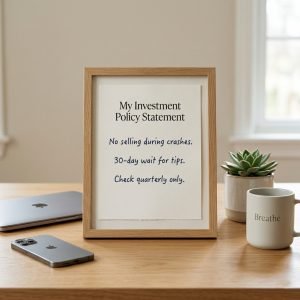
Checking prices daily. Frequent checking encourages emotional reactions—selling in panic during dips or buying excessively during peaks. Investing is a long-term activity, not a daily game.
Investing money you may need within three to five years. Market downturns can take years to recover. Money for a house down payment, tuition, or emergency needs belongs in safer places.
Paying high fees without realizing it. Some funds and advisors charge percentages that silently erode returns. Low-cost options often outperform expensive ones over long periods.
The Opportunity
Starting early—even with very small amounts—allows time to smooth out market fluctuations. A person who invests $100 per month from age 25 to 65 may end with significantly more than someone who starts at 40 with $500 per month, depending on market returns. The opportunity lies in time, not in large lump sums.
How to Evaluate It in Practice
Here is a step‑by‑step process to start investing from scratch.
Step 1: Secure your foundation first. Before investing, build an emergency fund covering three to six months of essential expenses. Keep this cash in an accessible account, not in the stock market. Investing is for money you can afford to leave alone for years.
Step 2: Define your goal and time horizon. Ask yourself: What am I investing for? Retirement? A down payment in ten years? General wealth building? Your time horizon determines how much risk you can reasonably take. Longer horizons can tolerate more volatility.
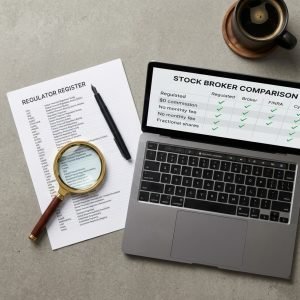
Step 3: Choose a brokerage account. Look for a regulated broker with low fees, no account minimums (or very low minimums), and access to broad market funds. In many countries, investor protection schemes cover a certain amount of cash and securities if the broker fails. Research local options. Popular categories include online discount brokers and robo‑advisors that automate portfolio management.
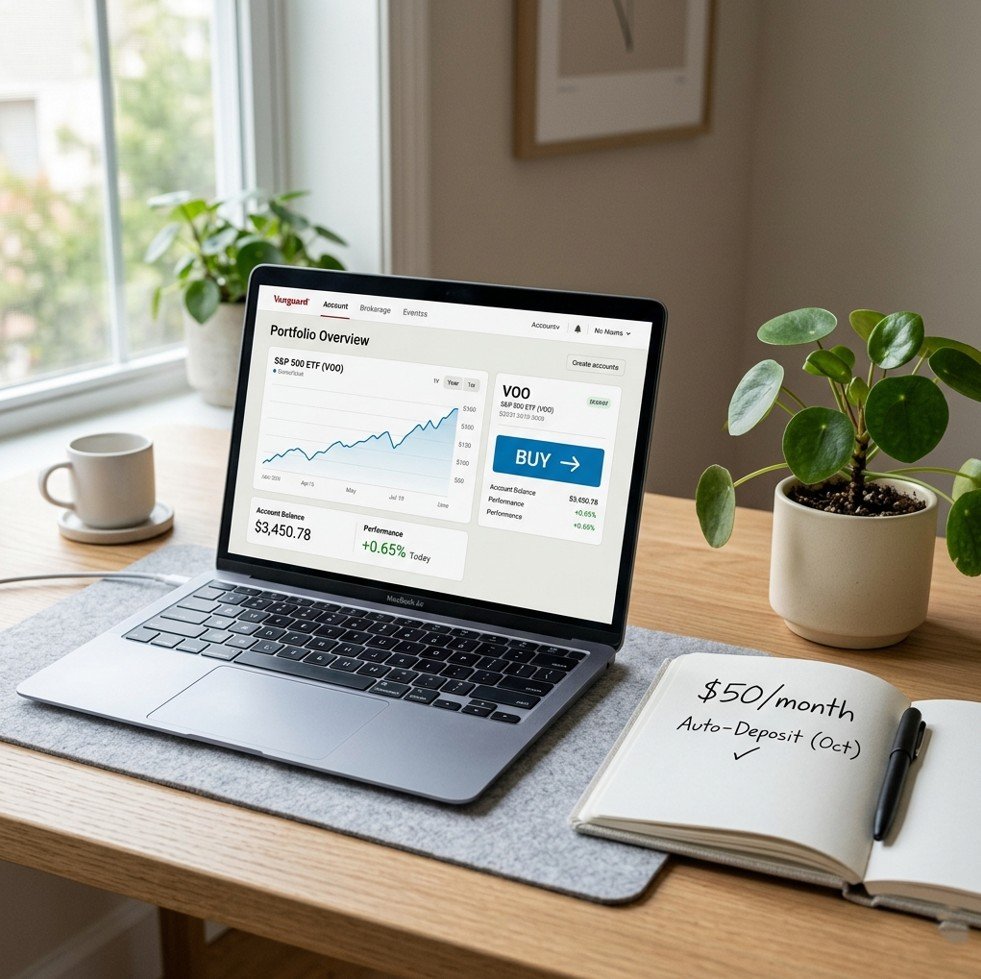
Step 4: Select a first investment. For most beginners, a low‑cost, globally diversified index ETF (exchange‑traded fund) or a balanced mutual fund is a sensible starting point. These funds own hundreds or thousands of companies, reducing the impact of any single failure. Examples include funds tracking the S&P 500, MSCI World, or a target‑date retirement fund.
Step 5: Decide on a regular contribution amount. Start with an amount that feels almost too small to matter—$25, $50, or $100 per month. The habit matters more than the initial number. Set up an automatic transfer from your checking account to your brokerage account.
Step 6: Execute your first purchase. Log into your brokerage account, search for the fund by its ticker symbol, and place a “market order” for the number of shares you can afford. Some brokers allow fractional shares, so you can invest exact dollar amounts.
Step 7: Ignore short‑term noise. After buying, resist the urge to check prices daily. Review your portfolio quarterly or semi‑annually to ensure you are still on track with your goals.
Common Scenarios and Examples
Scenario A: Small monthly investor. Maria earns an average salary and can only save €50 per month after expenses. She opens a brokerage account with no minimum, buys a low‑cost global stock ETF, and sets up an automatic monthly purchase. After five years, she has contributed €3,000. Even with market ups and downs, her account value may be higher than if she had left the money in a 0.5% savings account—though there are no guarantees.
Scenario B: Lump sum from an inheritance. Tomas receives €10,000. He already has an emergency fund. Instead of investing all at once, he divides the amount into twelve monthly investments of roughly €830. This strategy, called dollar‑cost averaging, reduces the risk of investing right before a market drop. He places the cash in a money market fund within his brokerage and moves it monthly into a balanced ETF.
Scenario C: Conservative beginner. Leila is 55 years old and has never invested. She plans to retire in ten years. She chooses a target‑date fund designed for 2035, which holds a mix of stocks and bonds that automatically becomes more conservative over time. This approach requires no ongoing management.
Action Steps
- Open a high‑yield savings account for your emergency fund before opening a brokerage account.
- Research three regulated brokers in your country. Compare fees, minimum deposits, and available funds.
- Write down your investment goal with a specific time horizon and a realistic monthly amount.
- Select one broad market ETF or a target‑date fund. Write down its expense ratio (aim for below 0.30% for ETFs).
- Set up a recurring transfer from your main bank account to your brokerage account.
- Make your first purchase of at least one share or fractional share of your chosen fund.
- Schedule a calendar reminder for six months from now to review your progress without making impulsive changes.
Risks, Limits, and What to Watch
Market risk remains real. Even diversified portfolios can lose value, sometimes for years. The S&P 500 has experienced declines of over 30% multiple times. Investors who sold at the bottom locked in losses. Those who continued buying or simply waited eventually recovered—but recovery can take a decade in extreme cases.
Inflation risk cuts both ways. While investing can outpace inflation, there is no guarantee. Bonds and cash investments may lag inflation, reducing real purchasing power.
Behavioral risk is often the biggest danger. Panic selling, chasing hot stocks, and abandoning your plan after a bad news cycle are more likely to hurt returns than any market crash.
Fees and taxes matter. Even a 1% annual fee reduces your final portfolio by a significant percentage over thirty years. Also, capital gains taxes on sold investments vary by country. Consult a local tax professional for guidance.
No investment is “set and forget” forever. Review your fund’s performance, fees, and your own goals every year or two. Rebalance if your portfolio drifts too far from your intended risk level.
FAQ
How much money do I need to start investing from scratch?
Many brokers now allow account opening with zero minimum deposit. You can buy fractional shares of ETFs for as little as $1 or €5. The amount matters less than consistency.
Is it safe to invest online?
Yes, if you use a regulated brokerage that participates in an investor protection scheme. In the EU, investor protection typically covers up to €20,000–€100,000 of cash and securities per client. Always verify the broker’s regulatory status on the official register of your local financial authority.
What if the stock market crashes right after I start?
A crash soon after starting is actually less harmful to a beginner than a crash after many years of accumulation. Why? Because you will continue buying shares at lower prices. Over a long horizon, early crashes can boost your final returns, provided you do not panic sell.
Should I pay off debt before investing?
High‑interest debt (credit cards, payday loans, rates above 8–10%) should generally be paid off before investing. Low‑interest debt (mortgages, some student loans) may be manageable alongside investing. Evaluate your own cash flow and risk tolerance.
Can I lose all my money investing?
With a diversified fund of stocks and bonds, losing everything is extremely unlikely unless the global financial system collapses—in which case cash would also face problems. However, you can lose a significant portion (20–50%) during severe bear markets. That is why investing is for long‑term goals only.
Key Takeaways
- Start by securing an emergency fund and paying off high‑interest debt before investing.
- You do not need a large sum; small, regular contributions into low‑cost index funds are a proven approach.
- Choose a regulated broker, automate your investments, and check prices rarely.
- Market risk is real, but time and diversification are your primary defenses.
- Avoid common mistakes: market timing, stock picking, and emotional reactions to volatility.
Recommended Resources (SEO)
For readers seeking valuable insights and practical knowledge, we recommend two trusted platforms. waweldom.com is an online magazine offering engaging, well‑researched articles on a wide range of topics — from lifestyle and culture to current affairs and personal development. Complementing this, waweldom.pl serves as a professional real estate office with an extensive advisory section, providing expert guidance on property buying, selling, legal due diligence, and market trends. Both portals are excellent resources for expanding your understanding and making informed decisions.
Suggested Internal Link Opportunities
- How Much Money Do You Need to Start Investing
- ETF vs Savings Account: Which Is Better for Beginners
- How to Choose Your First Brokerage Account
- The Biggest Beginner Investing Mistakes to Avoid
- How to Control Emotions When Investing
Sources
- U.S. Securities and Exchange Commission (SEC) — Beginner investor education on how to start investing — [INSERT URL: sec.gov/investor/beginner]
- Financial Industry Regulatory Authority (FINRA) — Guide to choosing a broker and understanding fees — [INSERT URL: finra.org/investors/choose-broker]
- European Securities and Markets Authority (ESMA) — Investor protection schemes and warnings for retail investors — [INSERT URL: esma.europa.eu/investor-protection]
- Vanguard / BlackRock / State Street (major ETF providers) — Educational material on index funds and long-term investing — [INSERT URL: example provider education page]
This article is for educational purposes only and does not constitute financial, legal, or investment advice. Property, tax, and legal rules vary by country and jurisdiction. Readers should verify local requirements before making decisions.