
How to Build Wealth on an Average Income: A Practical Blueprint

Build wealth on an average income: saving rate, automation, low‑cost investing, avoiding lifestyle inflation, and the power of time
Build wealth on an average income: saving rate, automation, low‑cost investing, avoiding lifestyle inflation, and the power of time

Set financial goals for 1, 5, and 10 years using the SMART framework. Prioritise, automate, track progress, and adjust as life changes.

Good debt vs bad debt — learn which borrowing accelerates wealth (mortgages, student loans) and which destroys it (credit cards, payday loans).

Reduce monthly expenses without feeling poor. Focus on high‑impact, low‑pain categories: housing, insurance, subscriptions, and smart grocery habits.
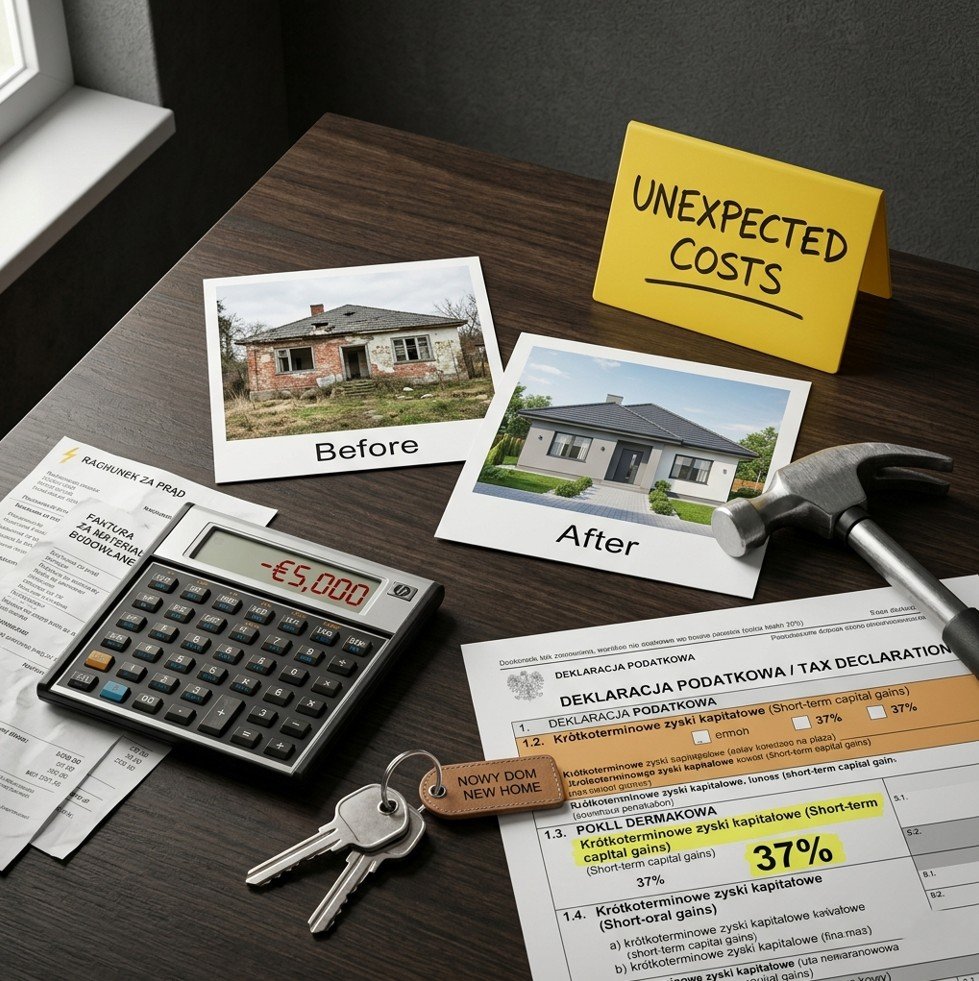
Property flipping today: higher rates, renovation costs, taxes. Learn the math, risks, and when flipping may still make sense — and when it doesn’t.
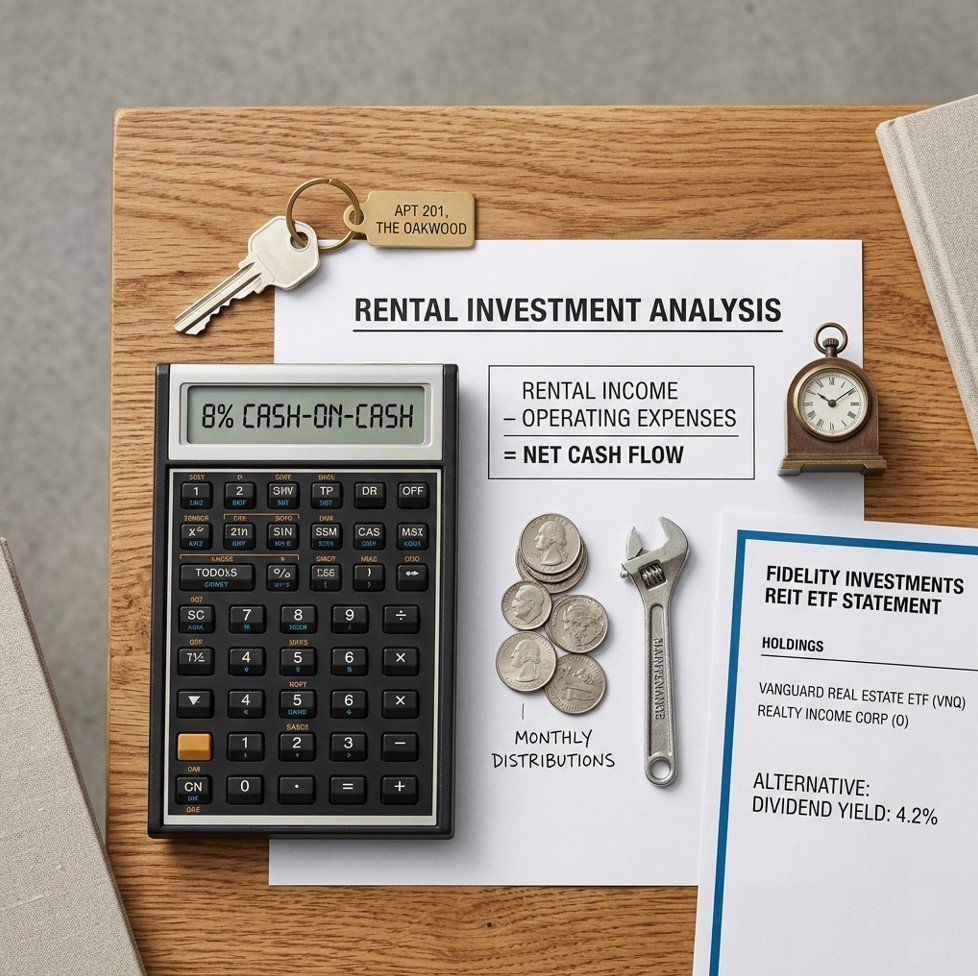
Is rental property still a good investment? Evaluate cash flow, yields, interest rates, regulations, and alternatives like REITs. Practical assessment.

Apartment or land: compare cash flow, risk, holding costs, leverage, liquidity, and appreciation. Which real estate investment fits your goals?

Passive vs active investing: what should beginners choose? Compare costs, performance evidence, and practical recommendations for your first portfolio.

What diversification really means in investing: reducing uncompensated risk, asset classes, geographies, and limits. Practical guide for beginners.

Learn how to invest small amounts every month. Fractional shares, automation, broker selection, and realistic growth projections. Start with $25.

Avoid costly beginner investing mistakes: market timing, panic selling, high fees, and more. Practical strategies to protect your portfolio.

Learn how to build an investment plan in five simple steps. Goals, risk tolerance, asset allocation, and automation. Practical guide for beginners.
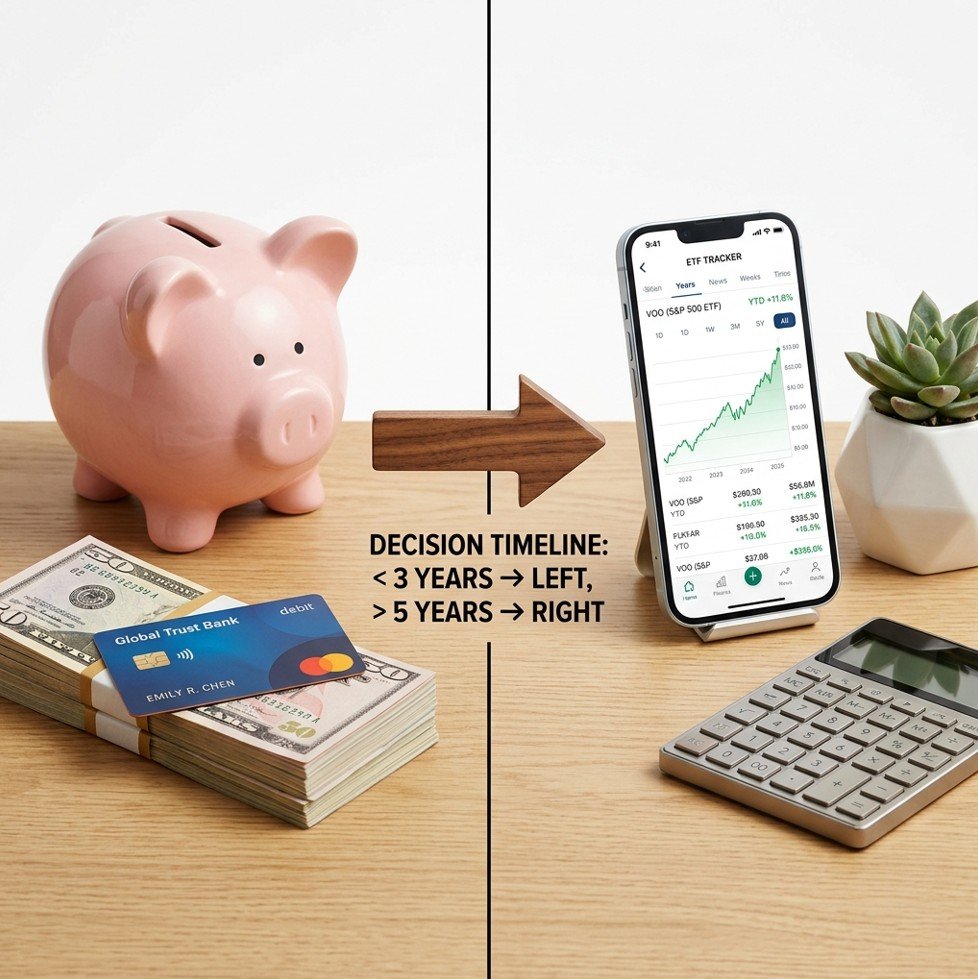
ETF vs savings account – compare safety, returns, and time horizons. Learn when to save and when to invest. Practical guide for beginners.

How much money do you need to start investing? From $5 to $5,000 – realistic minimums, fees, and when to begin. Practical advice for beginners.
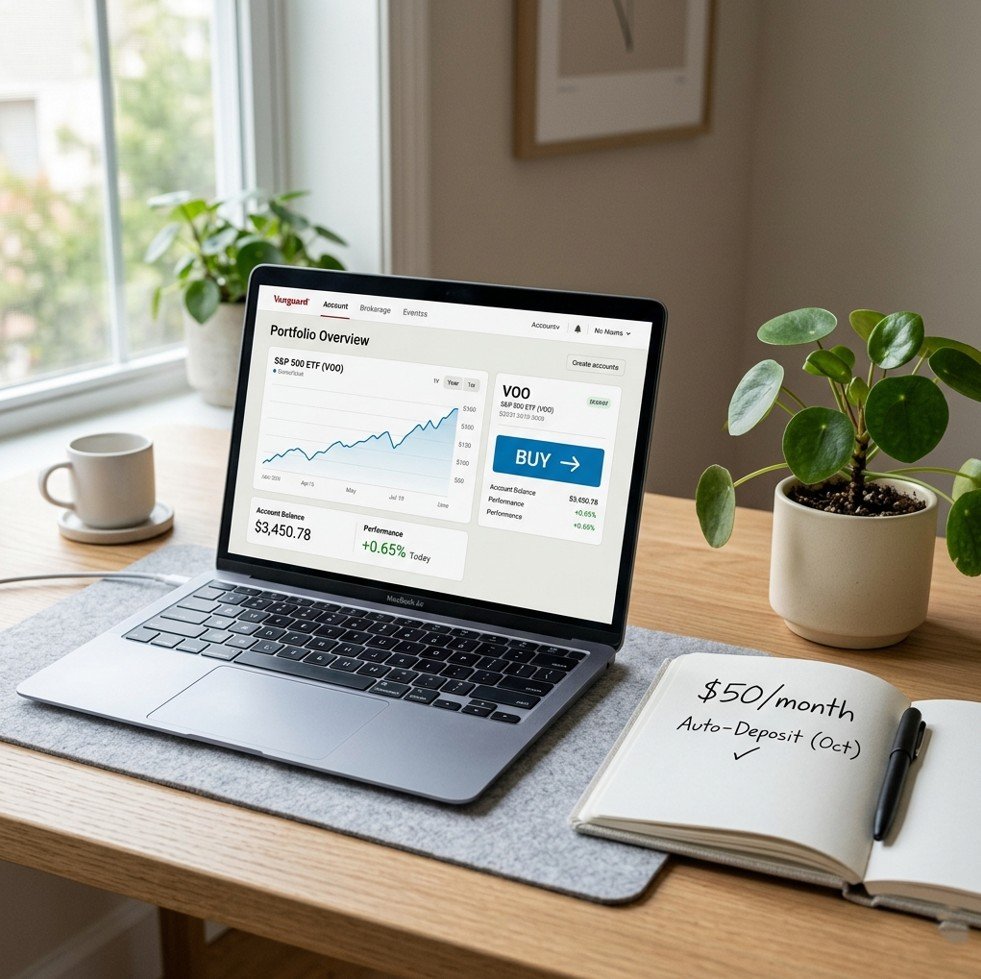
A calm beginner’s guide on how to start investing from scratch. Learn minimum amounts, broker choice, first ETF, and common mistakes.