
How to Reduce Risk Without Stopping Investing
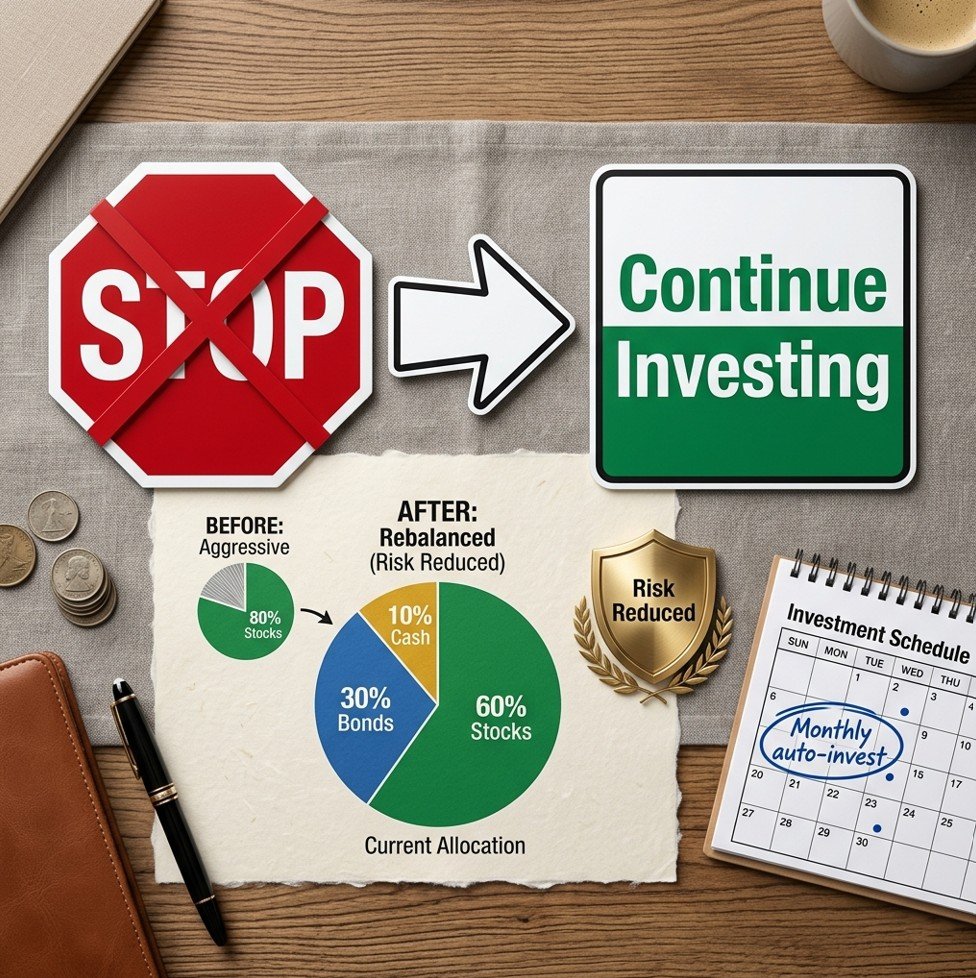
Reduce risk without stopping investing: adjust asset allocation, diversify, use dollar‑cost averaging, and stay invested for the long term.
Reduce risk without stopping investing: adjust asset allocation, diversify, use dollar‑cost averaging, and stay invested for the long term.

Build a defensive investment portfolio to reduce volatility and limit losses. Asset allocation, bonds, TIPS, cash, and rebalancing strategies.

How much emergency savings should you keep? Personalise the 3‑6 month rule based on income stability, dependents, debt, and safety nets.

Buying property with cash vs financing: compare total cost, liquidity, risk, opportunity cost, negotiating power, and tax effects. Make an informed choice.

What diversification really means in investing: reducing uncompensated risk, asset classes, geographies, and limits. Practical guide for beginners.

Avoid costly beginner investing mistakes: market timing, panic selling, high fees, and more. Practical strategies to protect your portfolio.

ETF vs savings account – compare safety, returns, and time horizons. Learn when to save and when to invest. Practical guide for beginners.

A calm beginner’s guide on how to start investing from scratch. Learn minimum amounts, broker choice, first ETF, and common mistakes.