
How to Spot “High Return, No Risk” Fraud: The Universal Red Flag
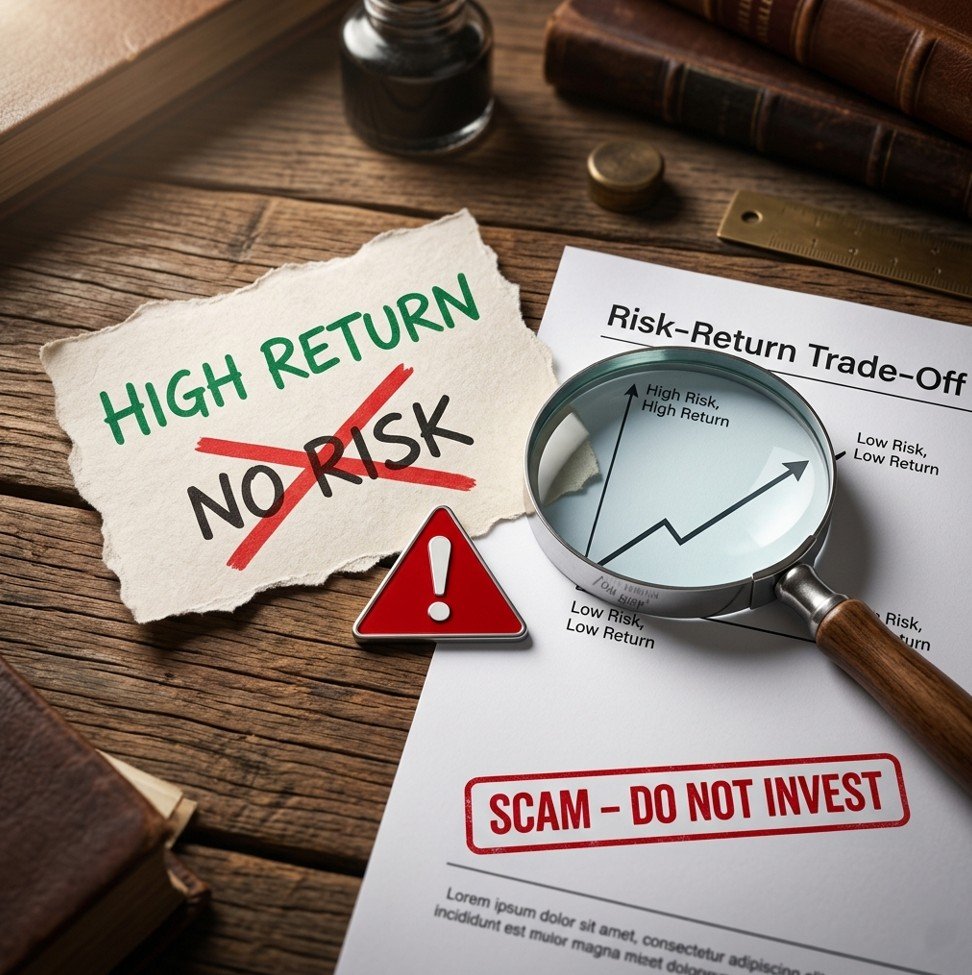
“High return, no risk” is always a scam. Learn why this promise violates investing principles and how to spot it using our scorecard.
“High return, no risk” is always a scam. Learn why this promise violates investing principles and how to spot it using our scorecard.
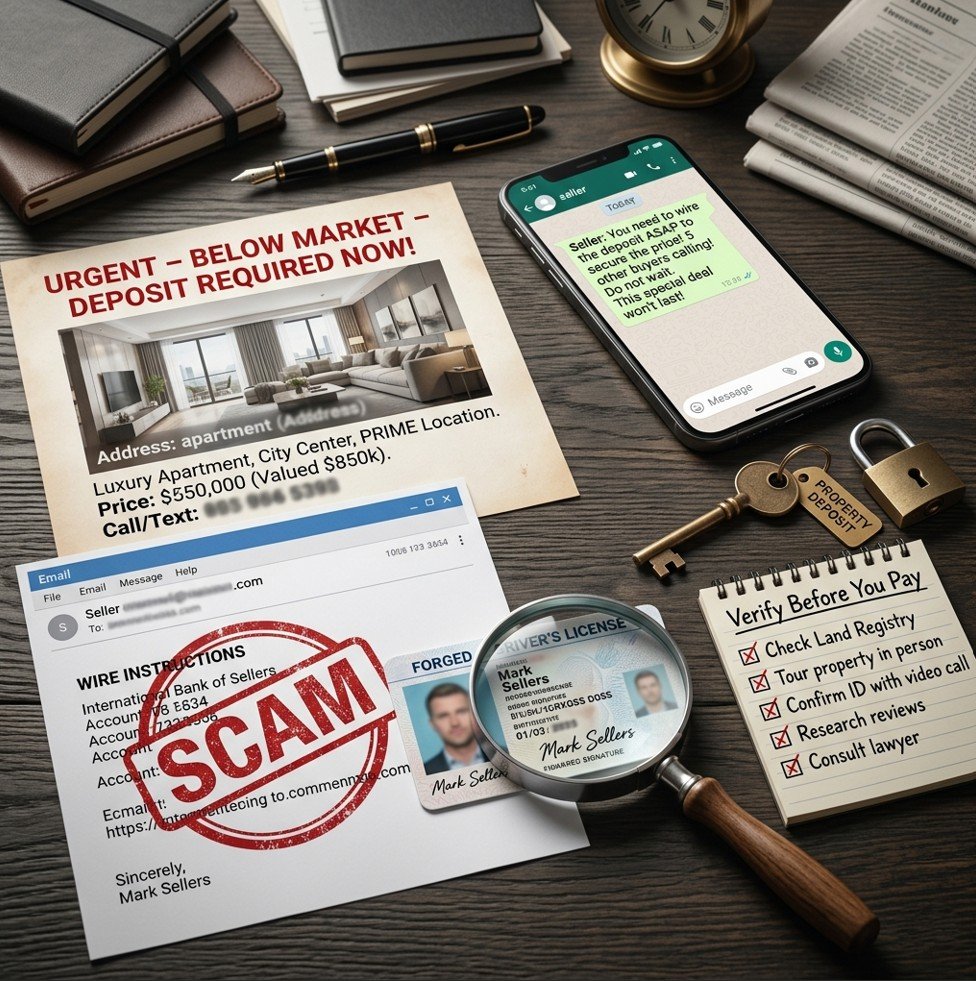
Learn the most common property scams: fake listings, deposit fraud, title theft, rental scams. A buyer’s protection checklist before sending money.
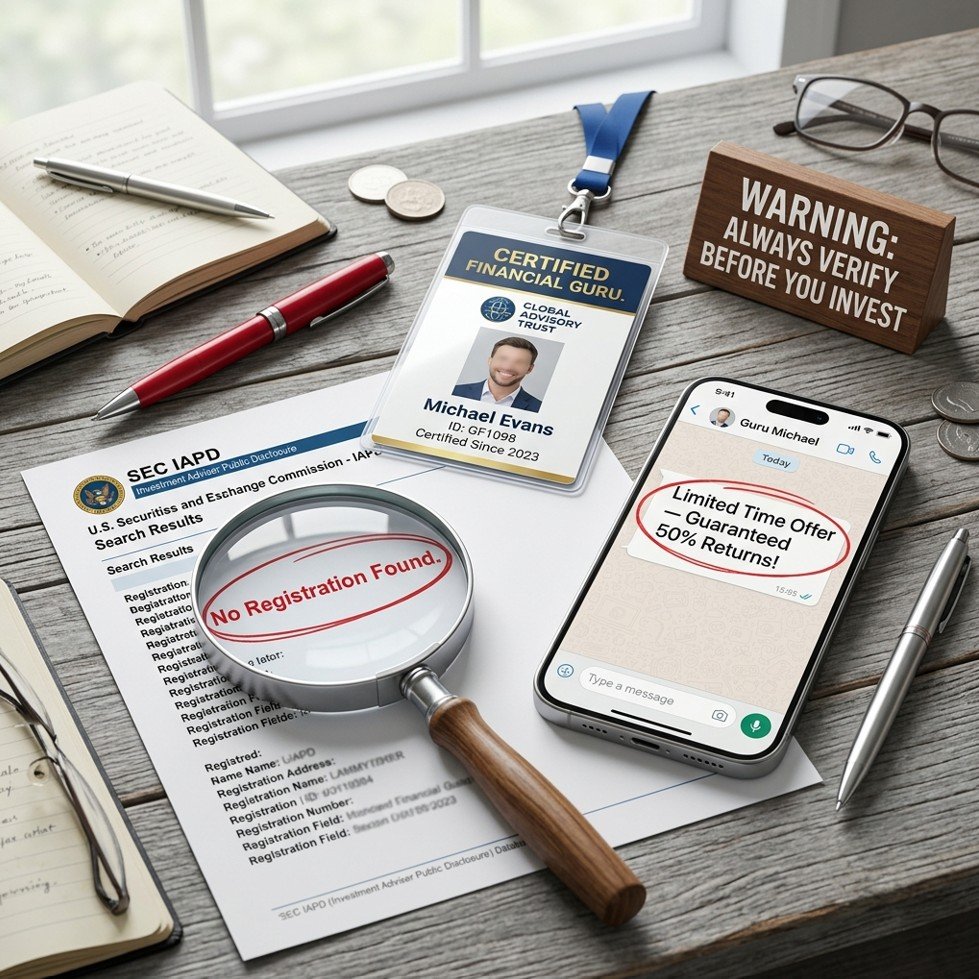
Fake financial advisor warning signs: guaranteed returns, pressure, unverified credentials, and payment red flags. Learn how to spot and verify real advisors.

Should you hold part of your savings in foreign currencies? Learn about hedging inflation, exchange rate risk, multi‑currency accounts, and practical diversification.

Cash vs investments: learn how to split your money based on time horizons, emergency needs, and risk tolerance. A practical framework.
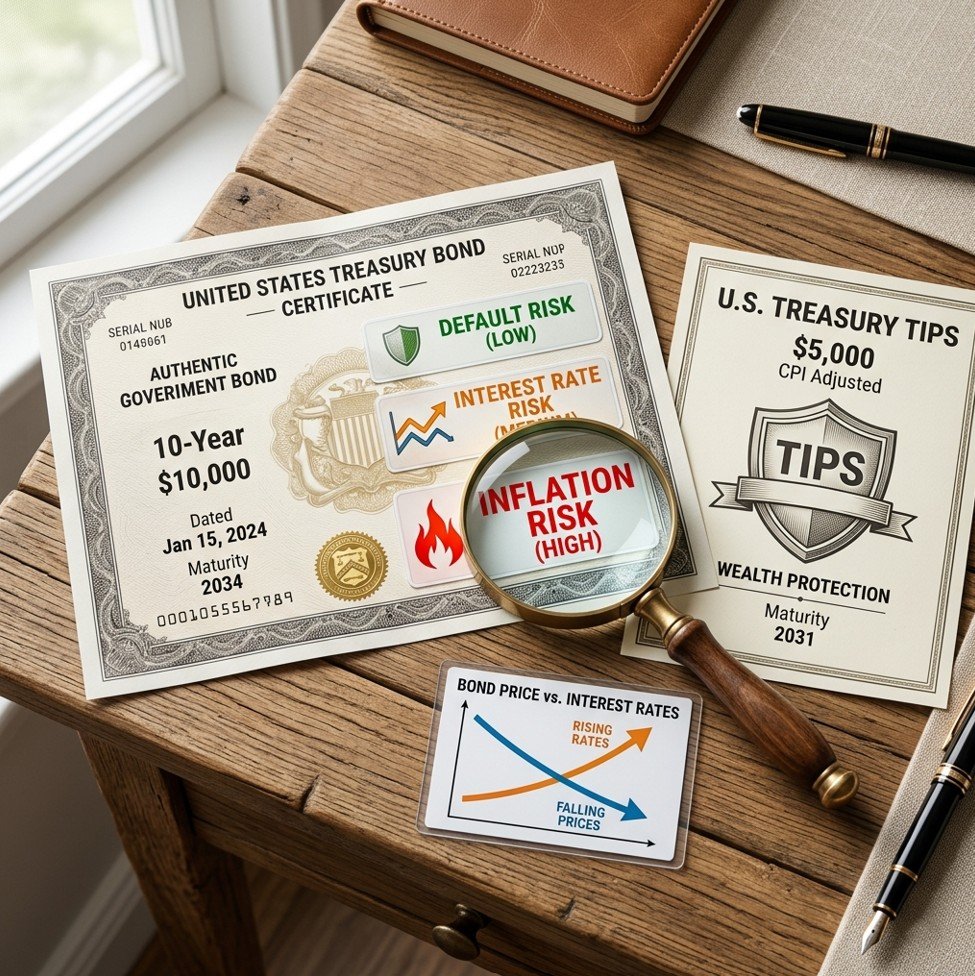
Are government bonds still safe? Evaluate default risk, interest rate risk, inflation risk, and the role of TIPS in a defensive portfolio.
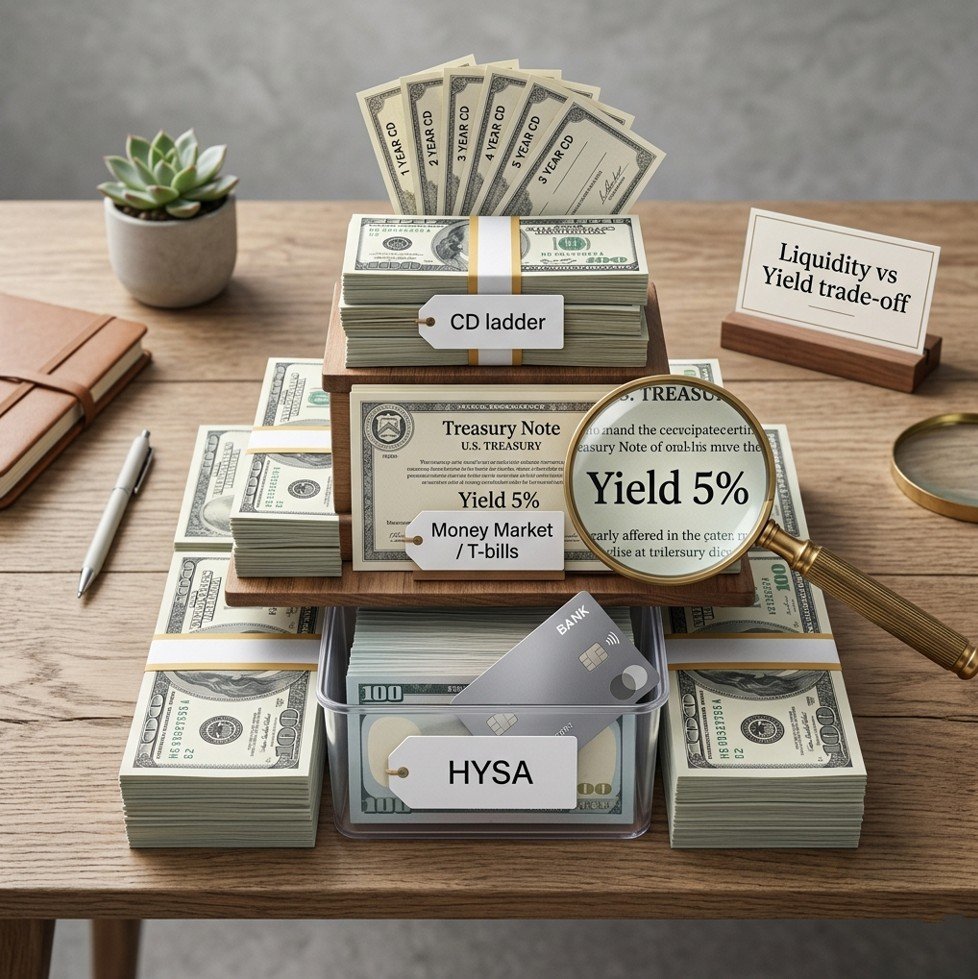
Where to keep cash during market uncertainty: HYSA, money market funds, T‑bills, CDs. Tiered strategy for safety, liquidity, and yield.
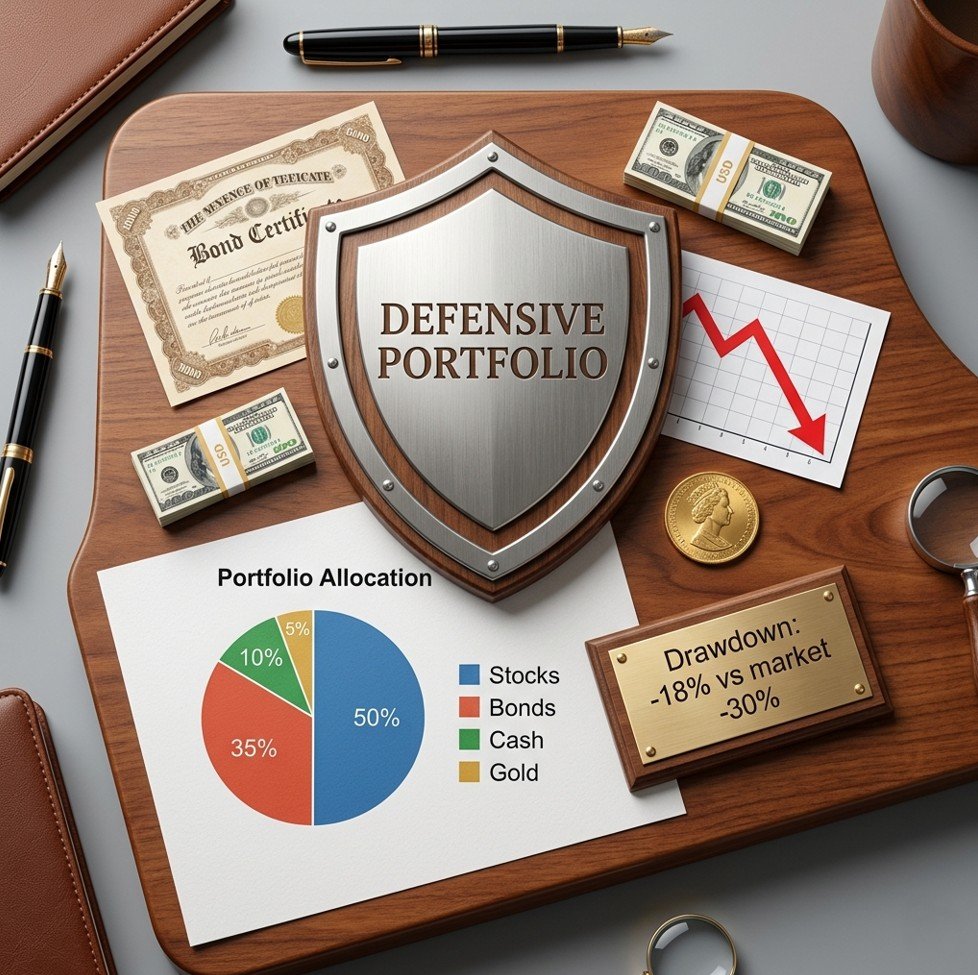
Build a defensive investment portfolio to reduce volatility and limit losses. Asset allocation, bonds, TIPS, cash, and rebalancing strategies.

Gold, cash, or bonds — which works best in uncertain times? Compare safety, inflation protection, liquidity, and crisis behaviour.

Protect savings from inflation: stocks, inflation‑linked bonds, and diversification. Learn which assets help preserve purchasing power over time.
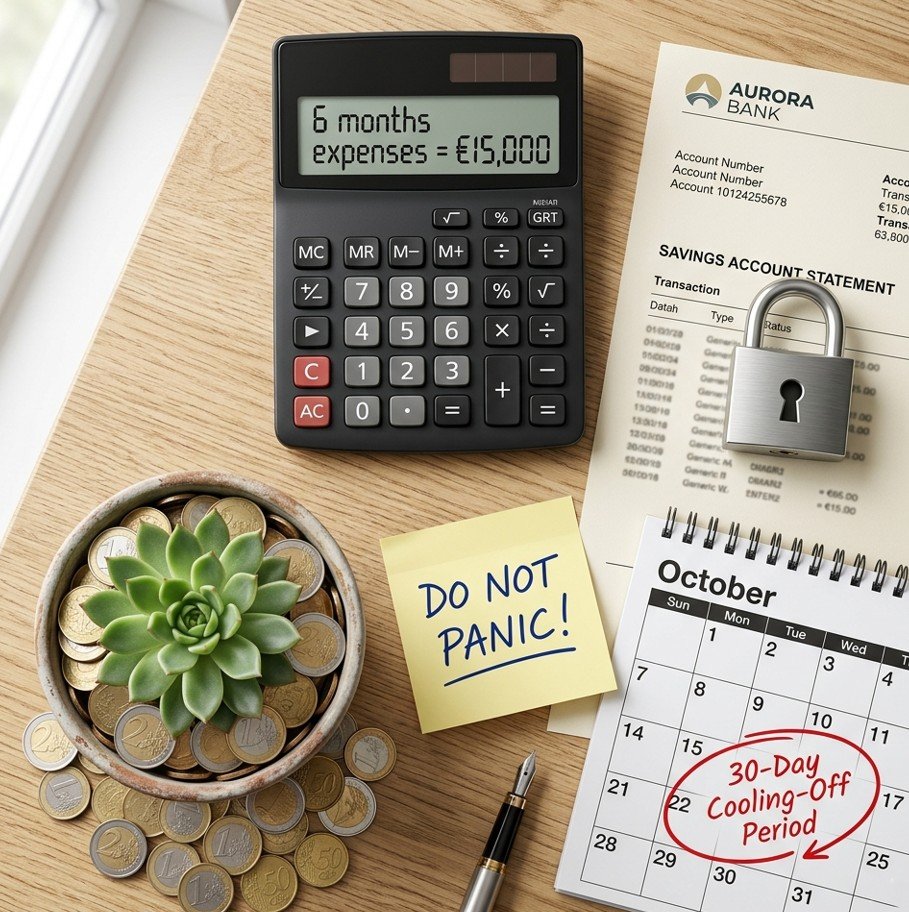
Manage money during economic uncertainty with a resiliency framework: emergency buffers, protect income, avoid panic selling, and find opportunities.
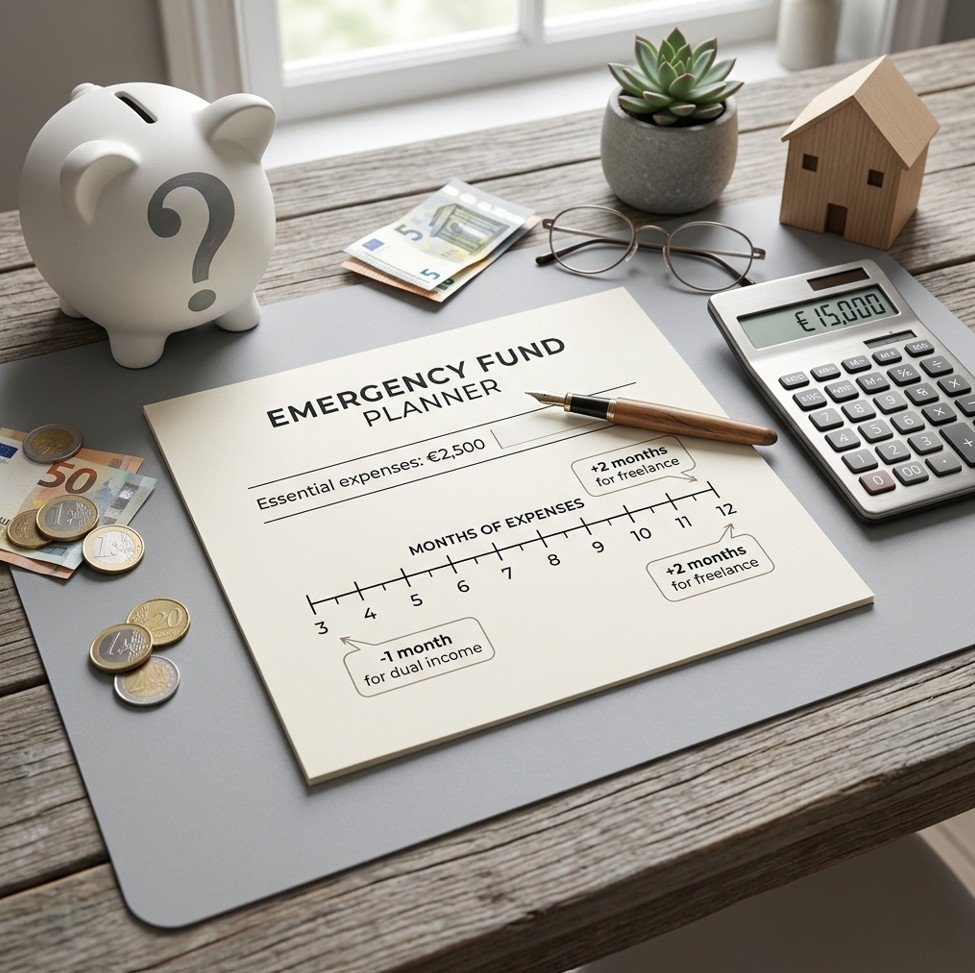
How much emergency savings should you keep? Personalise the 3‑6 month rule based on income stability, dependents, debt, and safety nets.

Build an emergency fund step by step: calculate target size, choose the right account, automate savings, and distinguish true emergencies.

How to avoid real estate scams: fake listings, deposit fraud, title theft, rental scams. A buyer’s protection checklist before sending money.
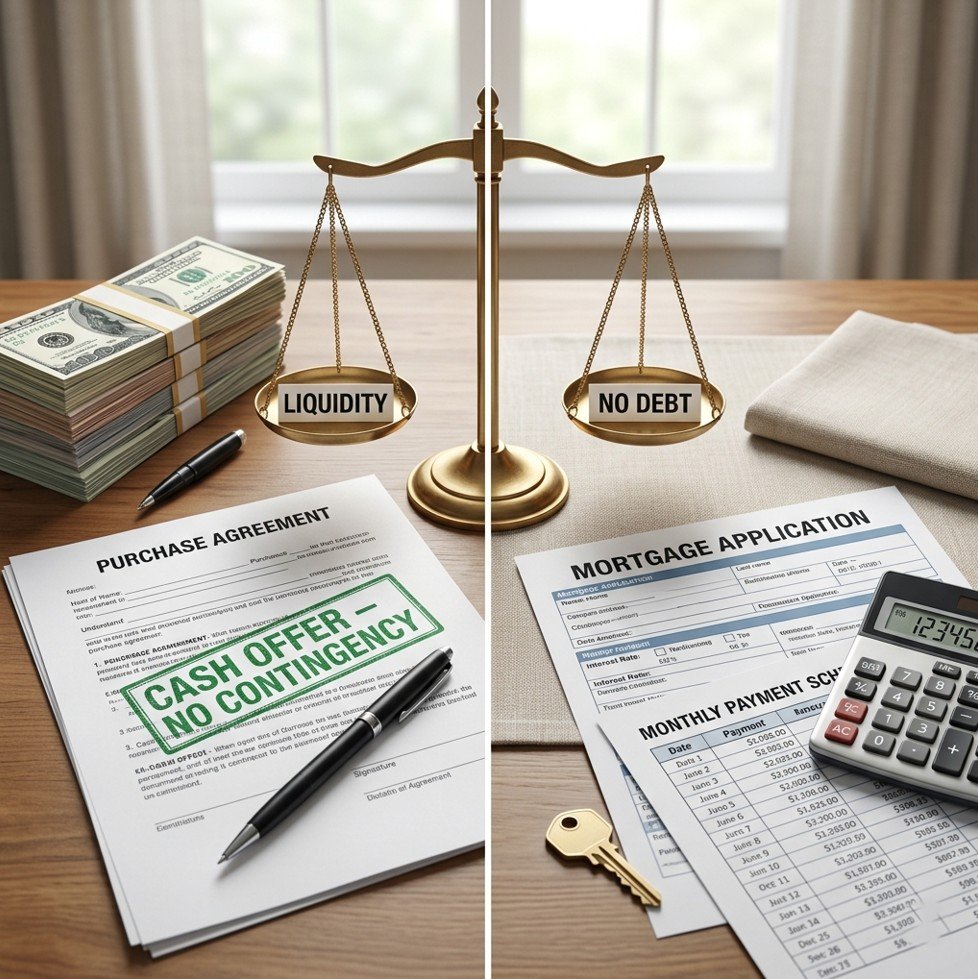
Buying property with cash vs financing: compare total cost, liquidity, risk, opportunity cost, negotiating power, and tax effects. Make an informed choice.