
How to Build Wealth on an Average Income: A Practical Blueprint

Build wealth on an average income: saving rate, automation, low‑cost investing, avoiding lifestyle inflation, and the power of time
Build wealth on an average income: saving rate, automation, low‑cost investing, avoiding lifestyle inflation, and the power of time
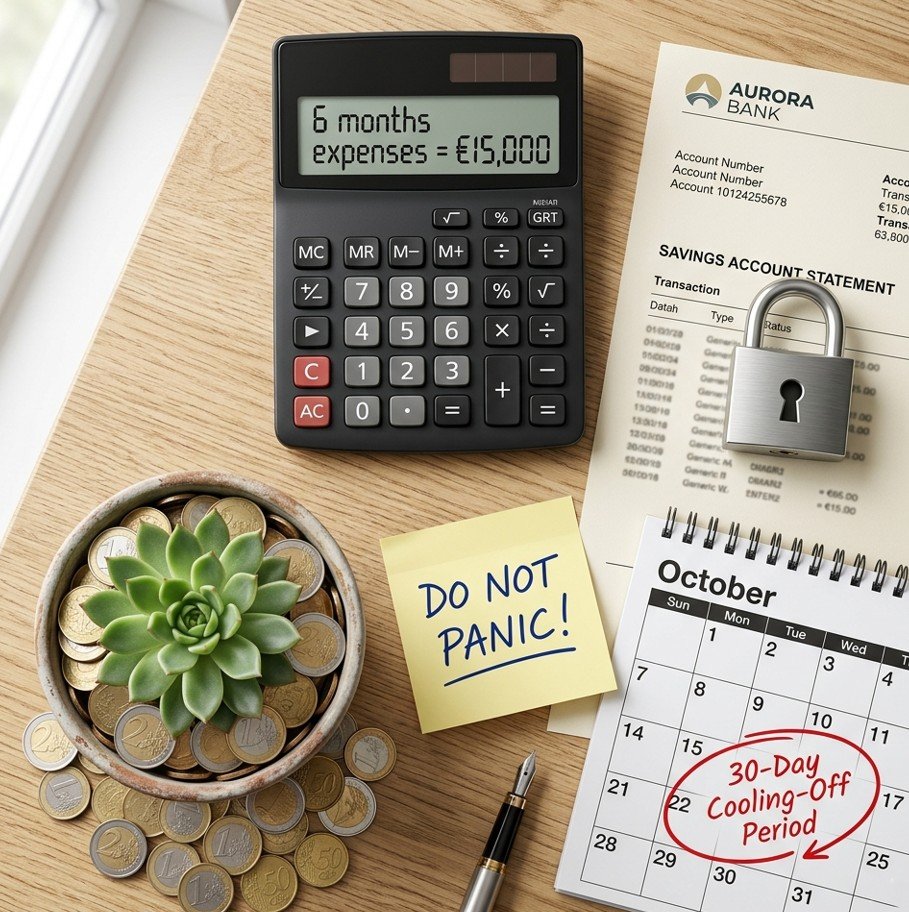
Manage money during economic uncertainty with a resiliency framework: emergency buffers, protect income, avoid panic selling, and find opportunities.
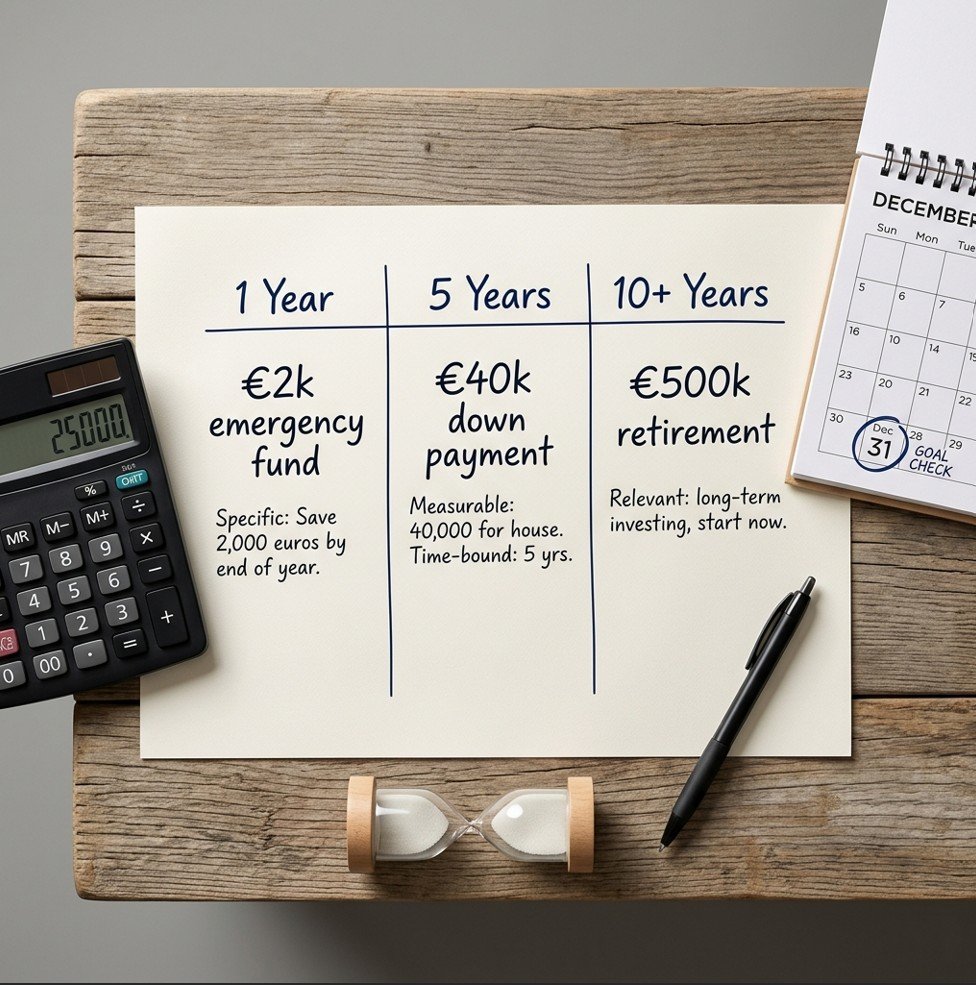
Set financial goals for 1, 5, and 10 years using the SMART framework. Prioritise, automate, track progress, and adjust as life changes.

Improve your financial discipline using systems, not willpower. Automate savings, create friction, use commitment devices, and track progress.

Good debt vs bad debt — learn which borrowing accelerates wealth (mortgages, student loans) and which destroys it (credit cards, payday loans).

Reduce monthly expenses without feeling poor. Focus on high‑impact, low‑pain categories: housing, insurance, subscriptions, and smart grocery habits.

How to stop living paycheck to paycheck. Build a buffer, cut structural leaks, attack debt, and automate savings. A practical, shame‑free roadmap.

Create a household budget that actually works. Automated, flexible, and sustainable. Learn the 50/30/20 rule, sinking funds, and monthly reviews.
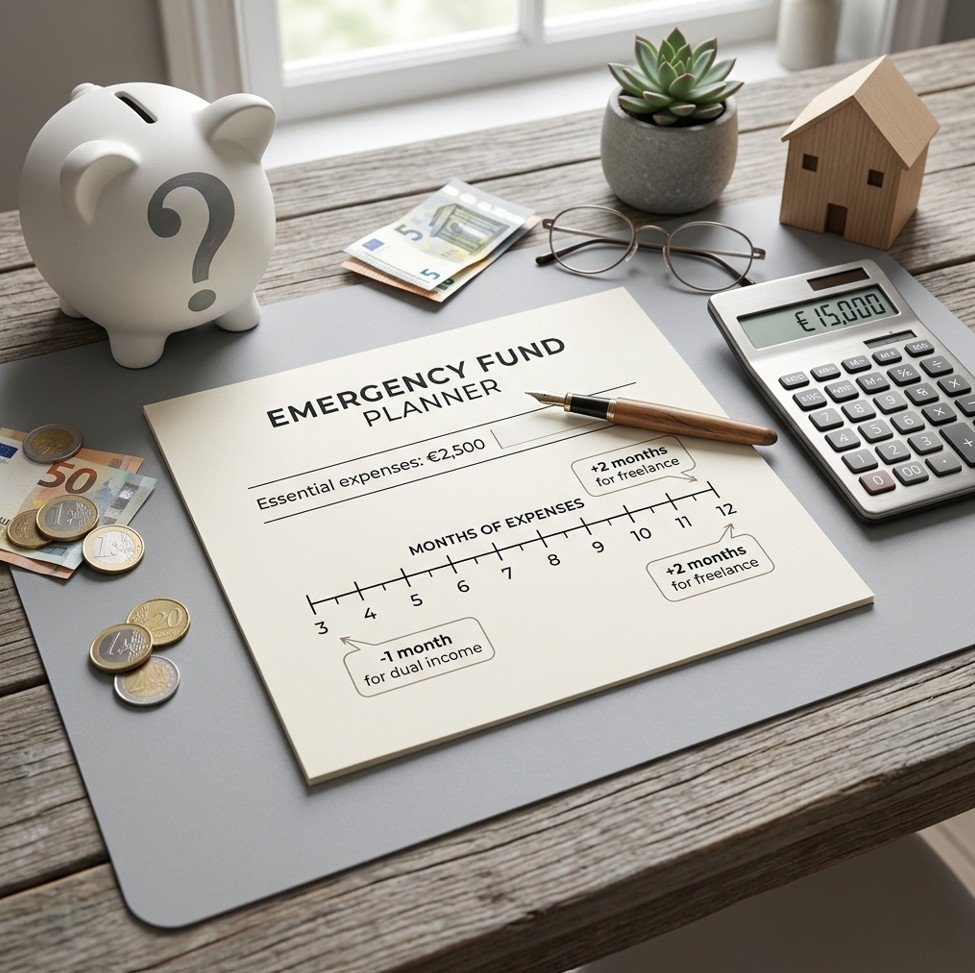
How much emergency savings should you keep? Personalise the 3‑6 month rule based on income stability, dependents, debt, and safety nets.

Build an emergency fund step by step: calculate target size, choose the right account, automate savings, and distinguish true emergencies.
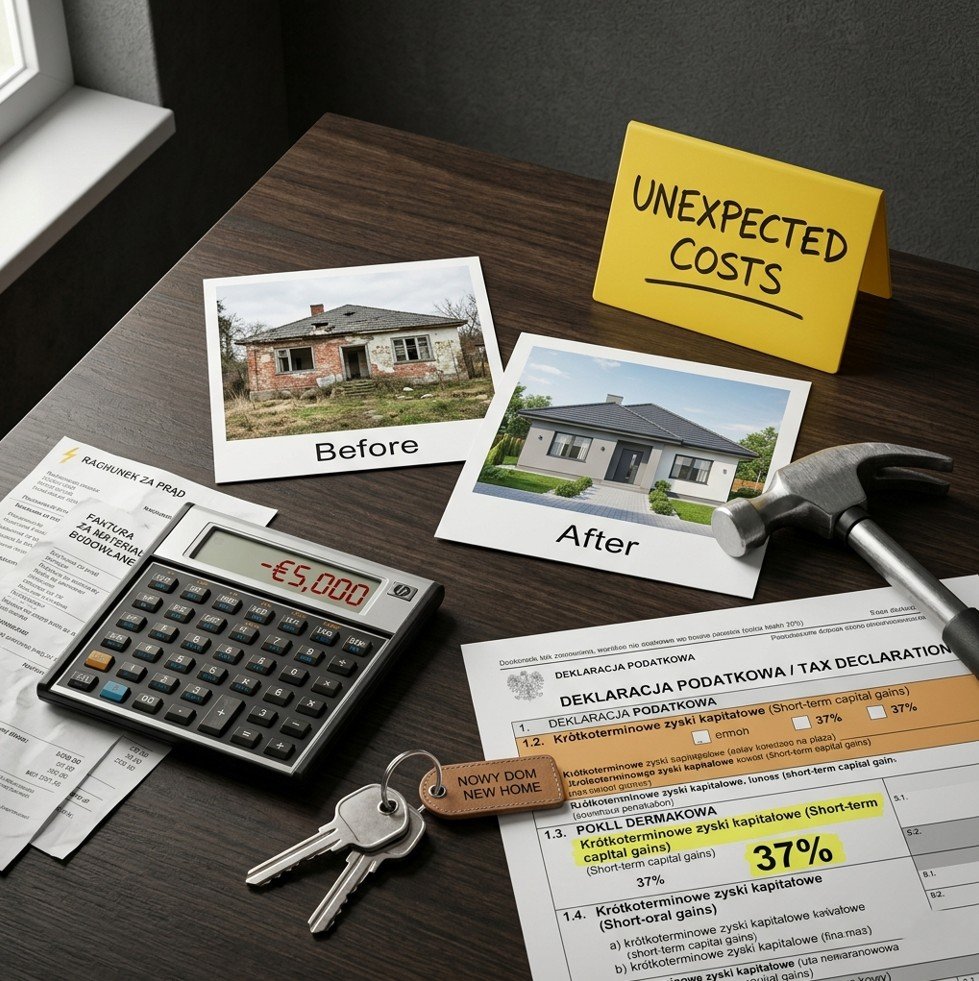
Property flipping today: higher rates, renovation costs, taxes. Learn the math, risks, and when flipping may still make sense — and when it doesn’t.
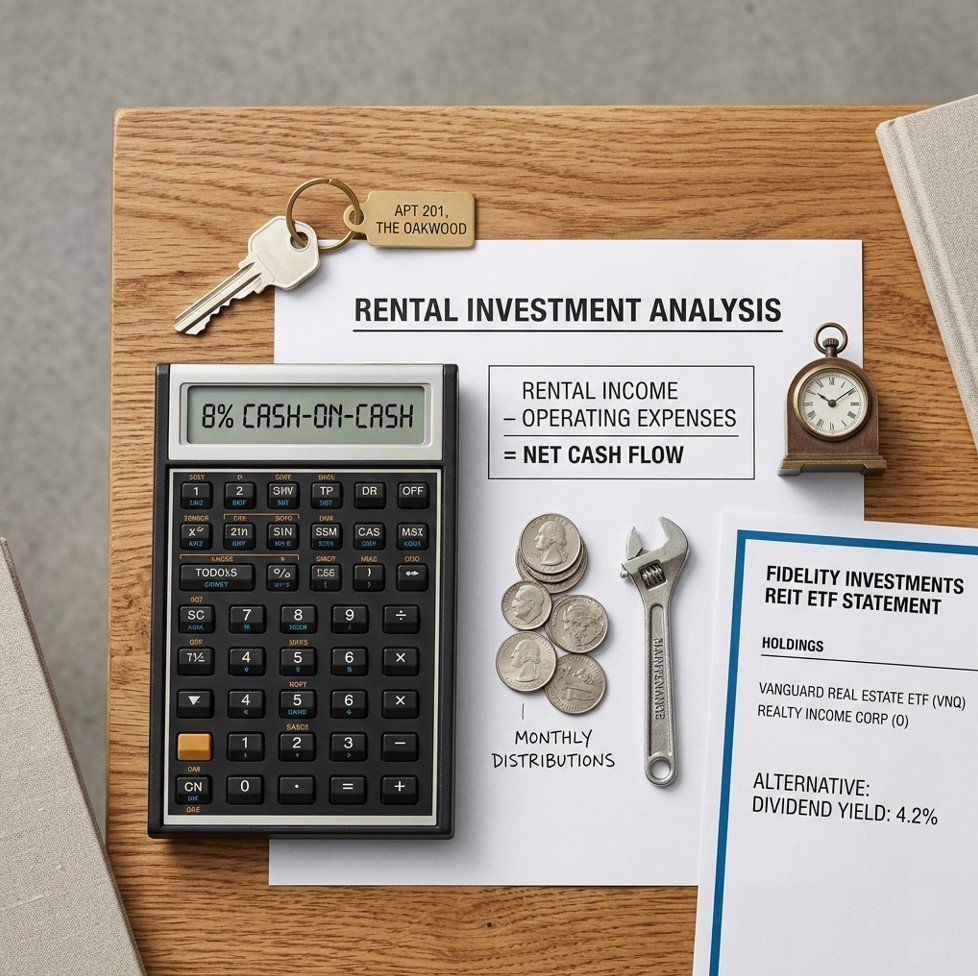
Is rental property still a good investment? Evaluate cash flow, yields, interest rates, regulations, and alternatives like REITs. Practical assessment.

How to avoid real estate scams: fake listings, deposit fraud, title theft, rental scams. A buyer’s protection checklist before sending money.
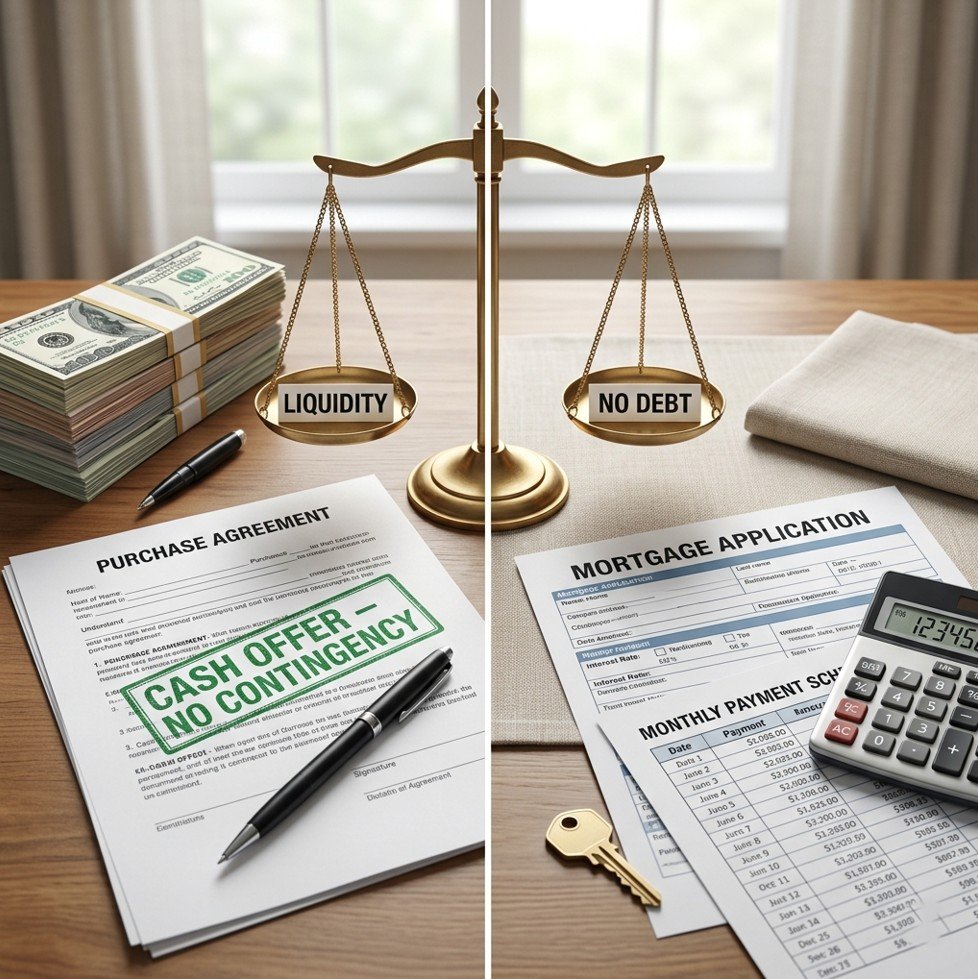
Buying property with cash vs financing: compare total cost, liquidity, risk, opportunity cost, negotiating power, and tax effects. Make an informed choice.
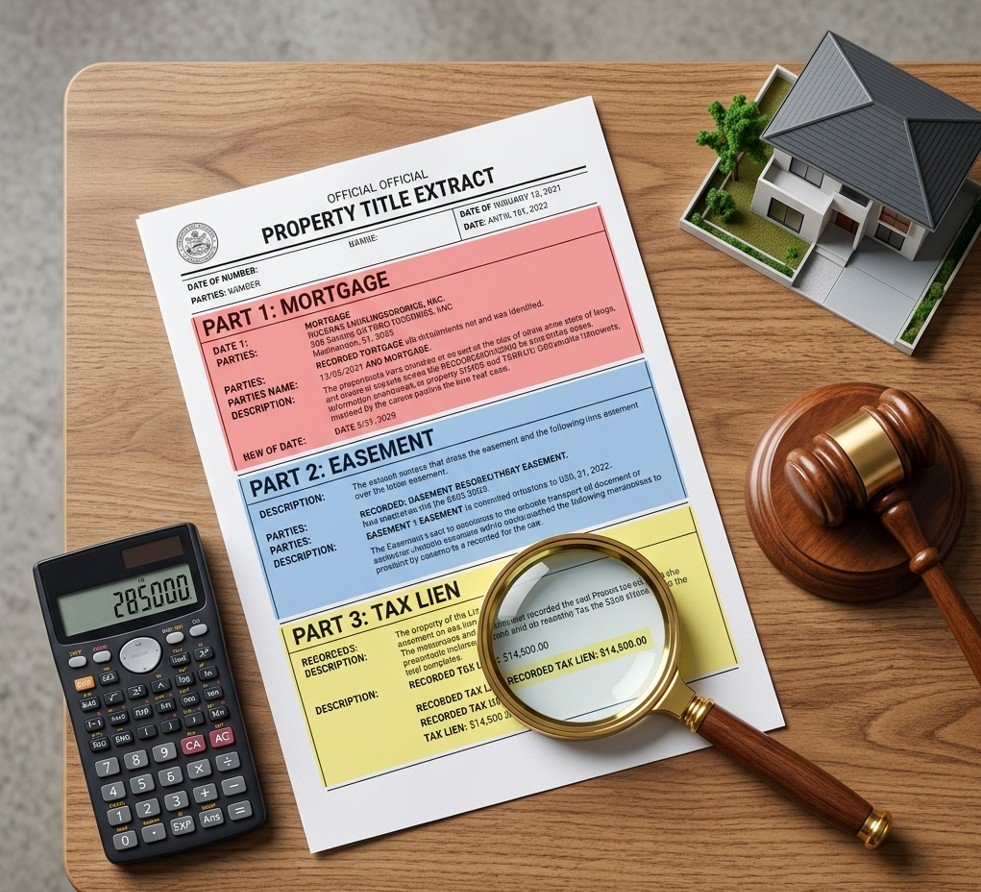
Mortgage, easement, liens, and covenants explained. Learn what property records mean for buyers — which are routine, which require action.